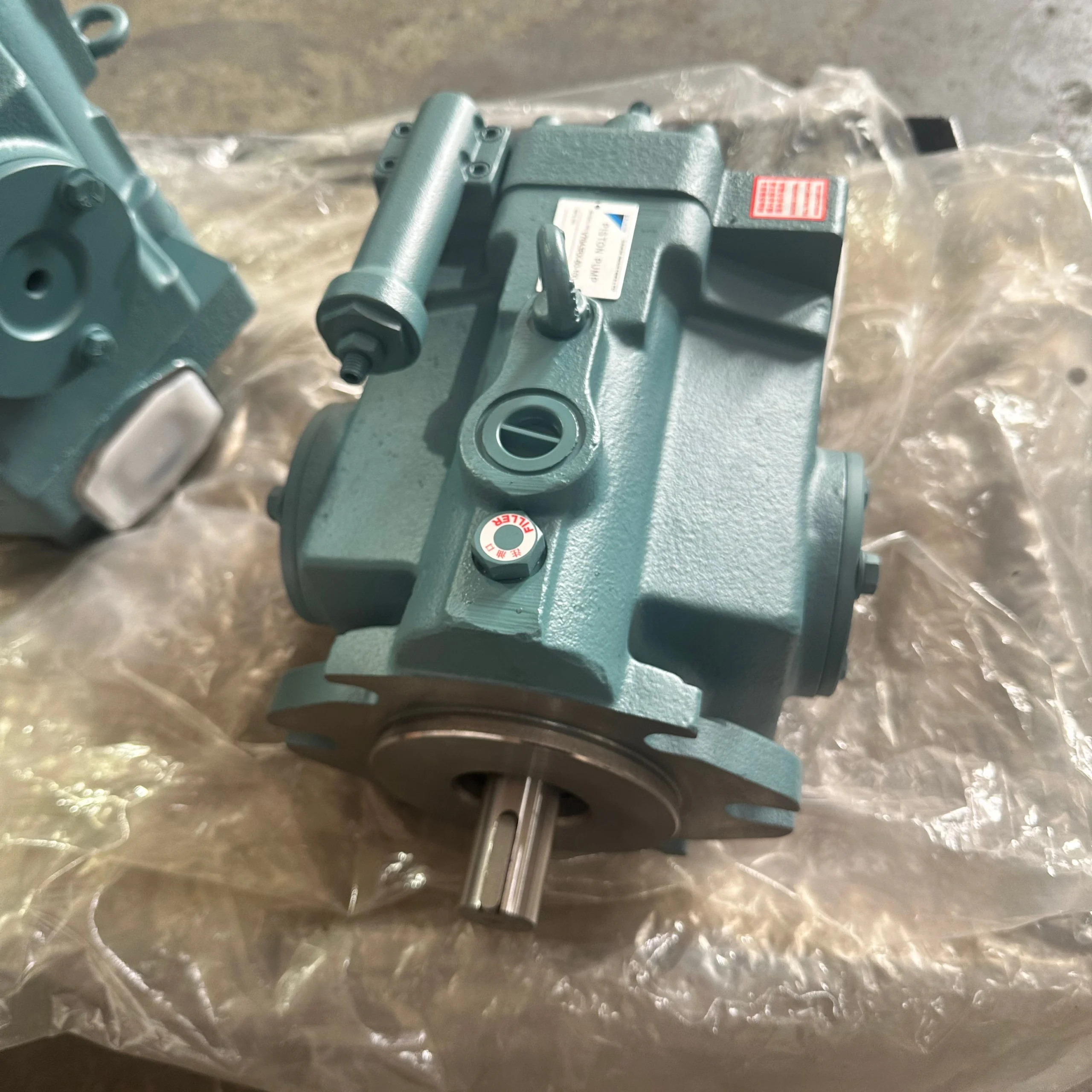
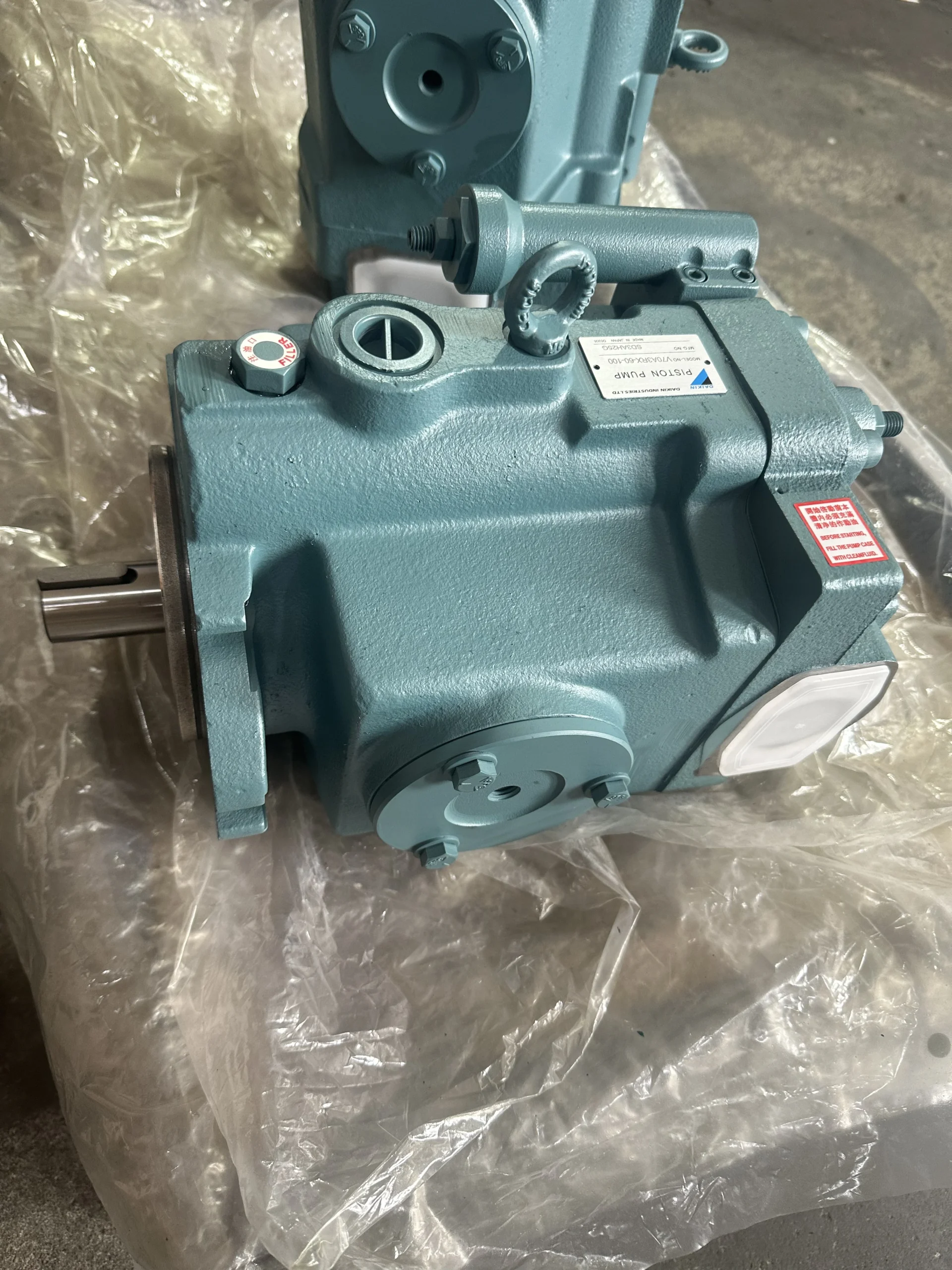
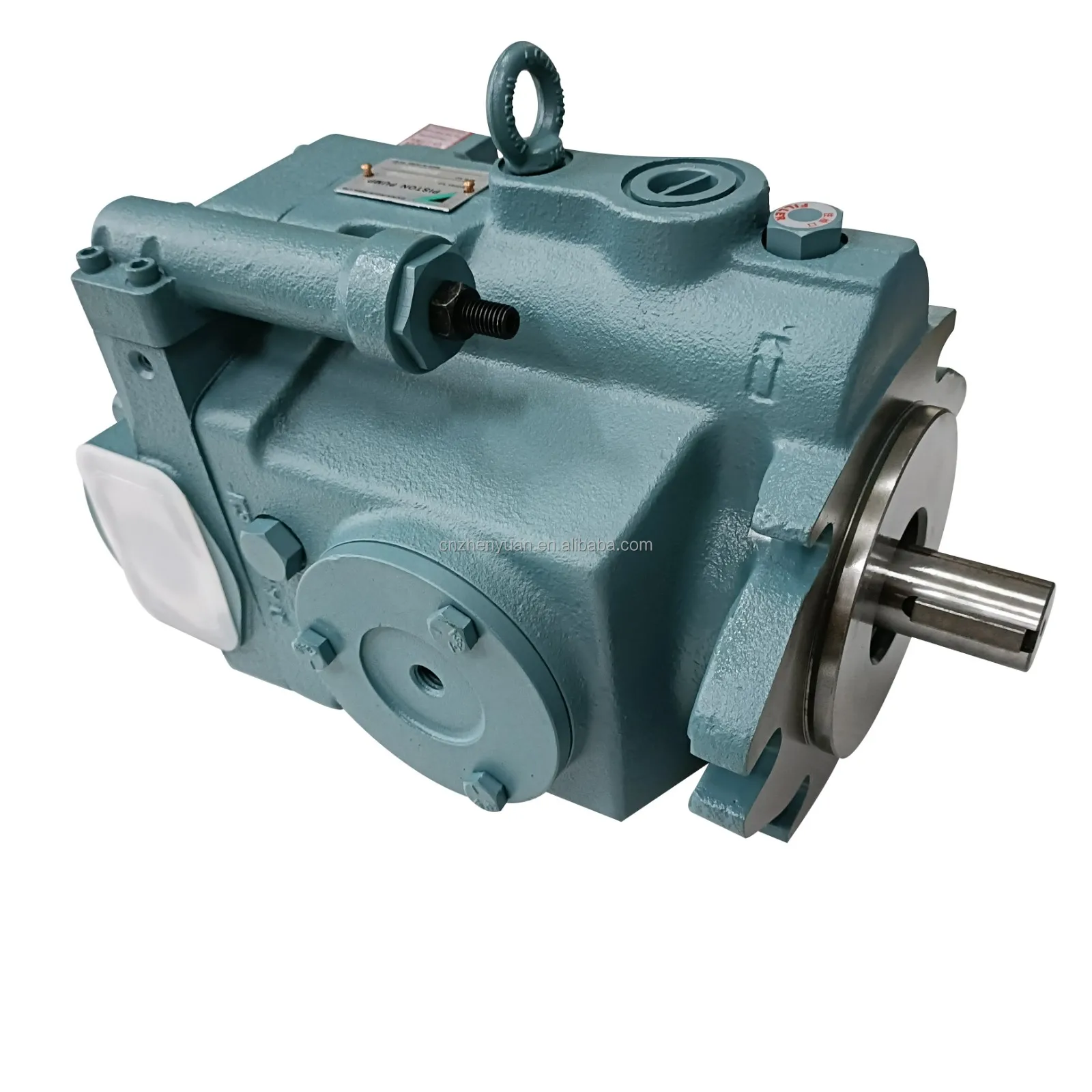
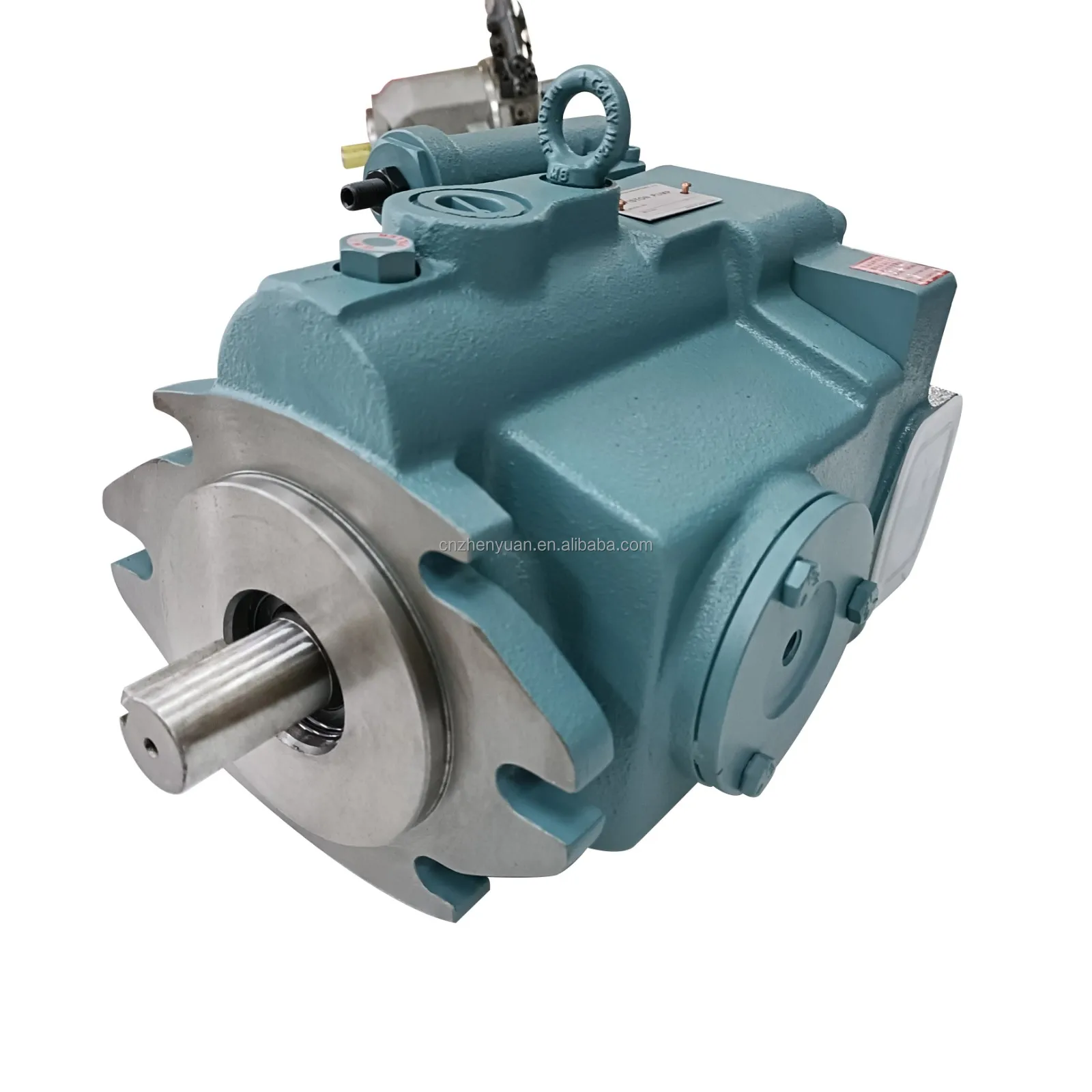
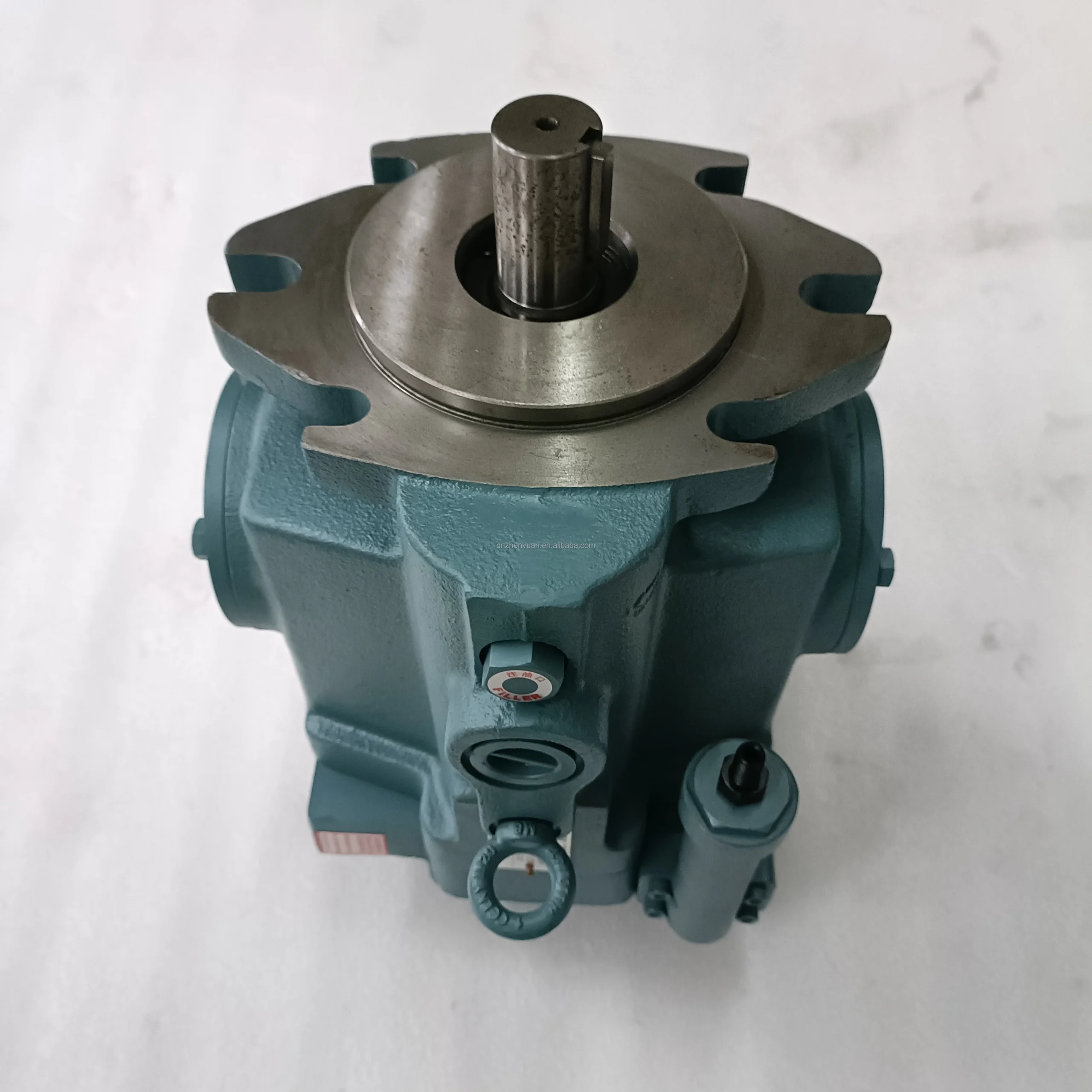
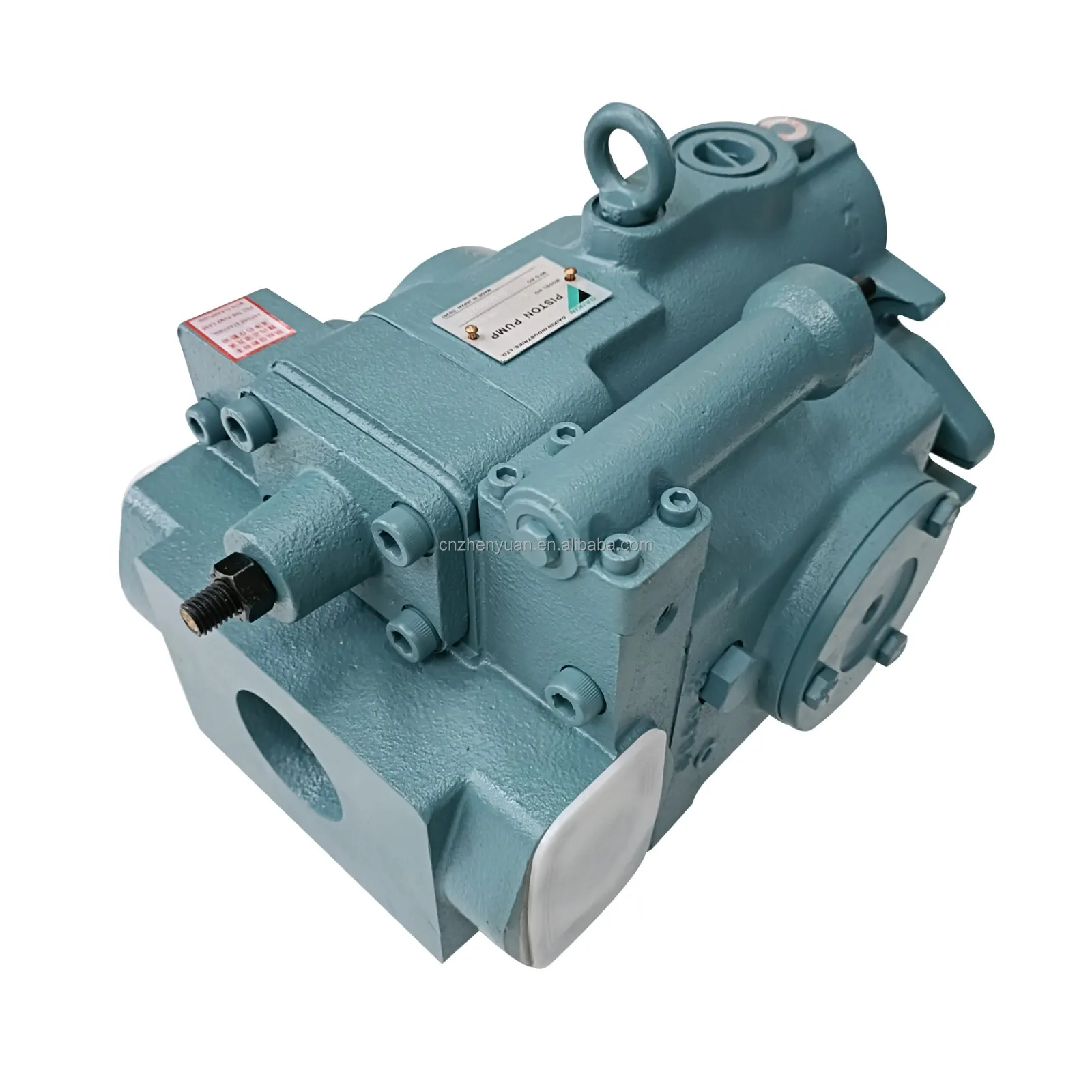
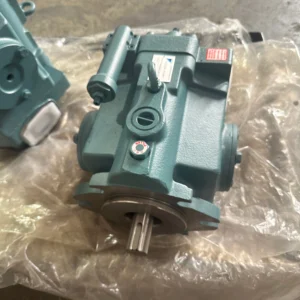
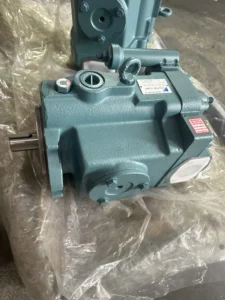
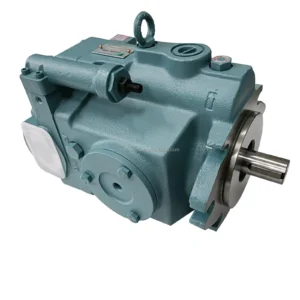
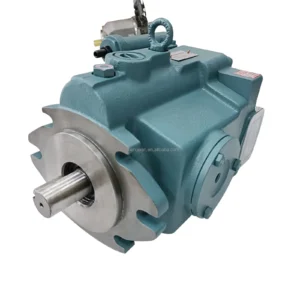
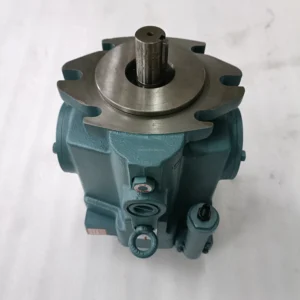
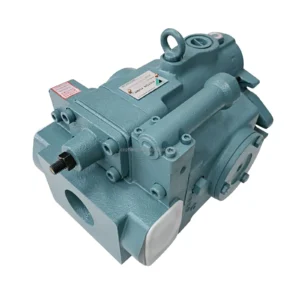
OEM Hydraulic Oil Pump V15 V23 V8 V38 V50 V70 V42 Series V70A3RX-60 High Pressure Variable Piston Hydraulic Pump
•
Displacement: In the model, “V70” corresponds to a theoretical displacement of 70 mL/r, which is a medium displacement specification and is suitable for the flow requirements of medium and high-pressure working conditions.
•
Working pressure: The rated working pressure is 31.5 MPa (315 bar), and the peak pressure can reach 35 MPa (350 bar), which can stably adapt to high-pressure load scenarios.
•
Speed range: Rated speed 1500 rpm, maximum speed 2500 rpm, minimum stable speed no less than 100 rpm, compatible with smooth operation conditions from medium to high speed to low speed.
•
Control mode: It adopts pressure compensation variable control, supports automatic adjustment of displacement according to system pressure, and can be optionally equipped with an electro-hydraulic proportional control module to achieve precise dynamic regulation of flow and pressure.
•
Structural form: Single-cylinder block swash plate axial piston structure, integrating a high-efficiency oil distribution plate and return stroke mechanism, with a compact overall layout.
•
Oil requirements: Anti-wear hydraulic oil with viscosity ranging from 20 to 400 mm²/s is suitable. The working oil temperature range is from -10℃ to 80℃, and the oil cleanliness must reach NAS level 8 (ISO 18/14).
•
Installation and adaptation: The shaft ends are connected by flat keys, conforming to the ISO standard shaft diameter specifications. The flange connection complies with the SAE J518C specification and can be directly adapted to the conventional power end installation.Ii. Working Principle
This plunger pump is a swashplate axial plunger pump. Its core working components include the drive shaft, cylinder block, plunger, swashplate, oil distribution plate and pressure compensation control valve. During operation, the prime mover drives the drive shaft to rotate the cylinder block at high speed. Under the combined action of centrifugal force and the return disc, the spherical ends of the evenly distributed plungers inside the cylinder block always closely adhere to the outer surface of the swash plate. Due to the fixed inclination Angle between the swash plate and the cylinder block axis, the plunger will perform reciprocating motion along the cylinder bore axis during the rotation of the cylinder block. When the plunger rotates to the high side area of the swash plate, the squeezing effect of the swash plate causes the plunger to move towards the interior of the cylinder. The volume of the sealed cavity formed by the plunger and the cylinder bore decreases, and the oil pressure inside the cavity increases. The oil is then pushed out of the system through the oil discharge window of the oil distribution plate, completing the oil pressing process. When the plunger rotates to the lower side area of the swash plate, the return force pushes the plunger to extend out of the cylinder block, increasing the volume of the sealed cavity and creating a local vacuum. Under the action of atmospheric pressure, the oil in the oil tank is sucked into the cavity through the oil suction window of the oil distribution plate, completing the oil suction process.
The pressure compensation control mechanism automatically adjusts the tilt Angle of the swash plate by detecting the pressure at the system outlet. When the system pressure reaches the set value, the control valve core pushes the swash plate to move in the direction where the tilt Angle decreases, shortening the plunger stroke and reducing the displacement. When the system pressure drops, the swash plate resumes its tilt Angle under the action of the reset spring, and the displacement increases, thereby achieving a dynamic match between the output flow and the system load and avoiding energy waste.
Iii. Product Features and Advantages
•
Strong high-pressure adaptability: With a rated pressure of 31.5 MPa and a peak pressure of 35 MPa, combined with a displacement of 70 mL/r, it can provide stable high-pressure power for medium and heavy-duty hydraulic systems, and is suitable for complex working conditions where multiple actuators work in coordination.
•
Remarkable energy-saving effect: The pressure compensation variable control technology can adjust the displacement in real time according to the load, avoiding energy redundancy caused by “large flow and small load”. The volumetric efficiency can reach over 94%, and the total efficiency exceeds 88%, effectively reducing system energy consumption and oil temperature rise.
•
High operational stability: The oil distribution plate is made of bimetallic composite material and undergoes precise grinding treatment, forming an efficient sealing pair with the cylinder end face, resulting in extremely low leakage. The plunger and cylinder bore are matched by honing process, with precise clearance control. There is no crawling phenomenon at low speed operation, and the speed fluctuation error is ≤±2%.
•
Excellent anti-pollution ability: It adopts a self-cleaning oil-absorbing structure, combined with the dust-proof sealing design of the plunger head, which can effectively prevent solid particles from entering the friction pair. The key bearings are lubricated with both grease and hydraulic oil, ensuring long-term reliable operation even under harsh working conditions such as dust and vibration.
•
Good upgrade compatibility: It reserves an electro-hydraulic proportional control interface, allowing for the direct installation of a proportional valve group to upgrade to closed-loop control. It is suitable for automation scenarios with higher requirements for flow accuracy without the need to replace the main structure of the pump body.
Iv. Usage Functions and Purposes
1. Usage function
As the core power source of the hydraulic system, it converts the mechanical energy of the prime mover (motor, engine) into the pressure energy of the hydraulic oil, providing high-pressure oil for the actuating components such as hydraulic cylinders and hydraulic motors, and driving the equipment to achieve linear or rotational movements such as excavation, lifting, squeezing and rotation. The pressure compensation control automatically matches the load flow demand to ensure the power output and energy consumption balance of the system under different working conditions. Meanwhile, the precise closed-loop regulation of the flow can be achieved by upgrading the control module.
2. Uses
It is widely applied in medium and high-pressure hydraulic system scenarios, covering multiple fields such as construction machinery, industrial manufacturing, mining, and agricultural machinery. It provides stable power support for the core working mechanisms of equipment and is suitable for working conditions that have certain requirements for pressure stability and energy conservation.
V. Applicable Machines and Scenarios
1. Applicable machines
•
Construction machinery: 10-20 ton excavators, small loaders, crawler cranes, hydraulic breakers, etc.
•
Industrial equipment: Power units for medium-sized hydraulic presses (100-300 tons), metal-cutting machine tools, injection molding machines, and die-casting machines.
•
Mining and agricultural machinery: Hydraulic suspension systems for small mine roadheaders, farmland irrigation pumping stations, and large tractors.
•
Special equipment: Hydraulic lifting platforms, small port loading and unloading equipment, auxiliary power systems for tunnel lining machines.
2. Applicable scenarios
It is suitable for scenarios with medium and high pressure, medium load, intermittent or continuous operations, such as earthwork excavation and material transportation in construction, metal stamping and injection molding in factory workshops, small-scale tunneling and crushing operations in mines, and large-scale irrigation and farming in farmlands. It is particularly suitable for automated production lines or mobile equipment scenarios where strict control over equipment energy consumption and large fluctuations in working conditions and loads are required.
Six. Similar models
This model belongs to the V series swash plate axial piston pump. Similar models in the same series and of the same structure are mainly distinguished by displacement, pressure rating and control mode. Common ones include
•
V60A3RX-60: Displacement 60 mL/r, rated pressure 31.5 MPa, control mode consistent with V70A3RX-60, suitable for medium-pressure working conditions with smaller flow requirements.
•
V80A3RX-60: Displacement 80 mL/r, rated pressure 31.5 MPa, peak pressure 35 MPa. It is a high-flow model in the same series and is suitable for high-flow medium and high-pressure systems.
•
V70A4RX-60: Consistent with the target model in terms of displacement and pressure, it adopts electro-hydraulic proportional variable control (standard configuration), making it suitable for automated scenarios with higher requirements for flow accuracy.
•
Similar alternative model: V70B3RX-60 derived from the V series, featuring a cast iron pump body with stronger impact resistance, is suitable for scenarios with intense vibration in mining or construction machinery.
Vii. Precautions for Use
•
Oil management regulations: Strictly select the designated type of anti-wear hydraulic oil. It is strictly prohibited to mix oils of different brands or grades. A screen filter with a precision of ≥100 μm must be installed at the oil suction port. A 25 μm fine filter should be added to the return oil line. It is recommended to check the contamination degree of the filter element every 500 hours, replace the hydraulic oil and clean the oil tank every 2000 hours.
•
Installation accuracy requirements: Connect to the prime mover with an elastic coupling. The coaxiality error of the two shafts should be ≤ 0.1mm, and the angular error should be ≤0.5° to avoid excessive radial force causing premature wear of the drive shaft bearings. The length of the oil suction pipeline shall be no more than 1.5m, and its diameter shall not be less than that of the pump’s oil suction port to reduce oil suction resistance and prevent cavitation.
•
Start-up and operation monitoring: Before the initial start-up, the pump body should be filled with clean hydraulic oil. Manually rotate the pump 2-3 times to confirm there is no jamming. When starting, run at low speed (800 rpm) without load for 5 to 10 minutes. Once the oil temperature rises above 25℃ and there is no abnormal noise, gradually increase the load to the rated pressure. During operation, monitor the oil temperature (preferably 30-65℃, with a maximum not exceeding 80℃) and pressure (it is strictly prohibited to exceed the rated pressure for a long time). If abnormal noise, leakage or sudden pressure drop occurs, stop the machine immediately for inspection.
•
Maintenance and care nodes: Check the sealing condition of the shaft seal every 1000 hours. When the leakage exceeds 5 drops per minute, the seal needs to be replaced. Disassemble and inspect the oil distribution plate, plunger and other friction pairs every 3,000 hours. If there are scratches on the surface or the wear exceeds 0.02mm, timely repair or replacement is required. Before long-term shutdown (more than 30 days), drain the oil in the pump or inject anti-rust oil, and seal the oil port to prevent impurities from entering.
•
Control parameter setting: The opening pressure of the pressure compensation valve must be set by professionals based on the system load. It is strictly prohibited to increase it at will to avoid overpressure operation. After upgrading the electro-hydraulic proportional control, parameter calibration is required to ensure that the control signal linearly matches the displacement output and prevent system shock.