
Hydraulic Valve
Product Categories
Showing 1–12 of 985 results
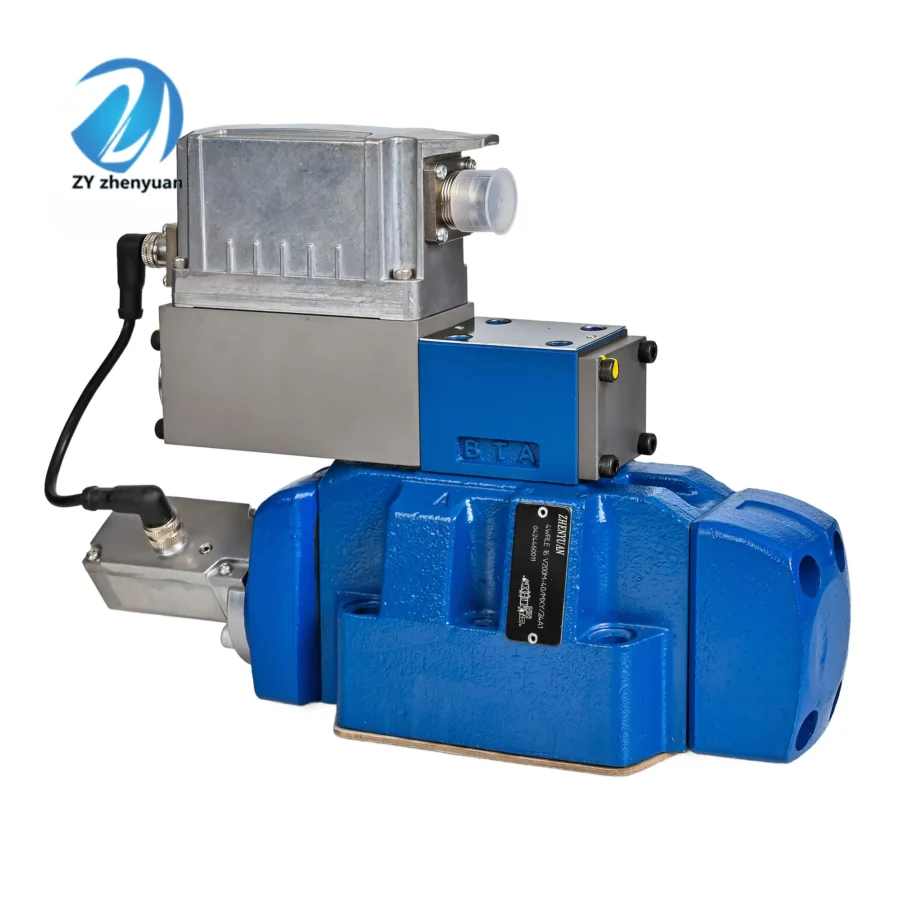
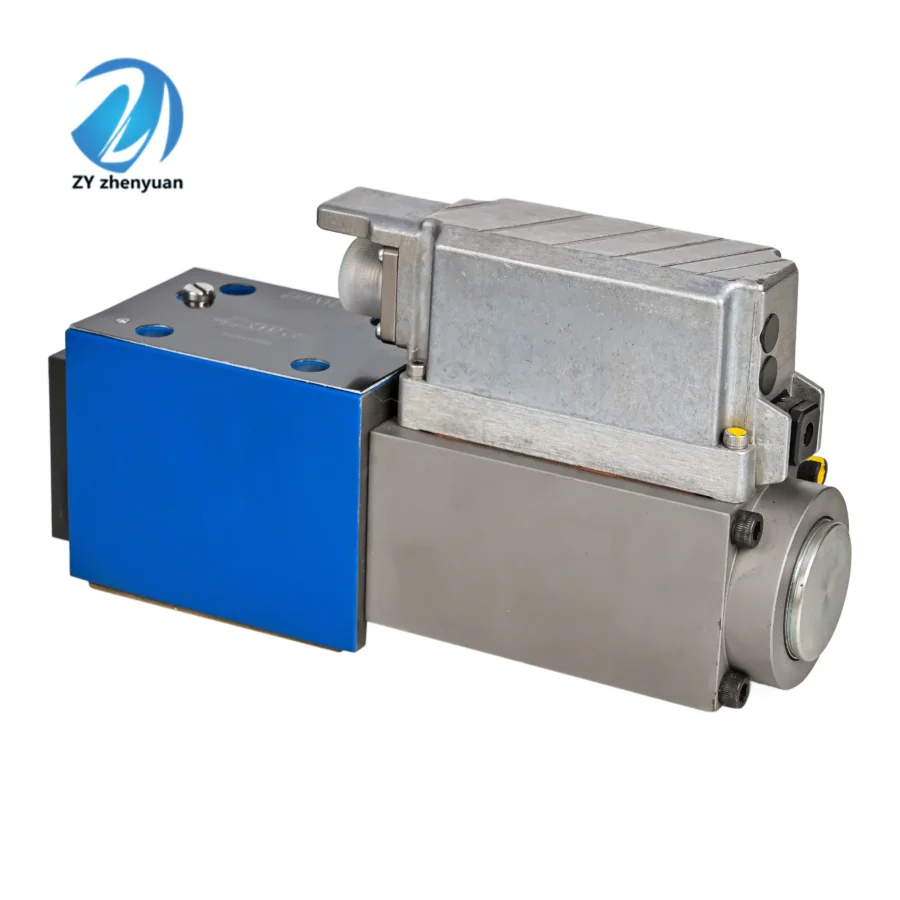
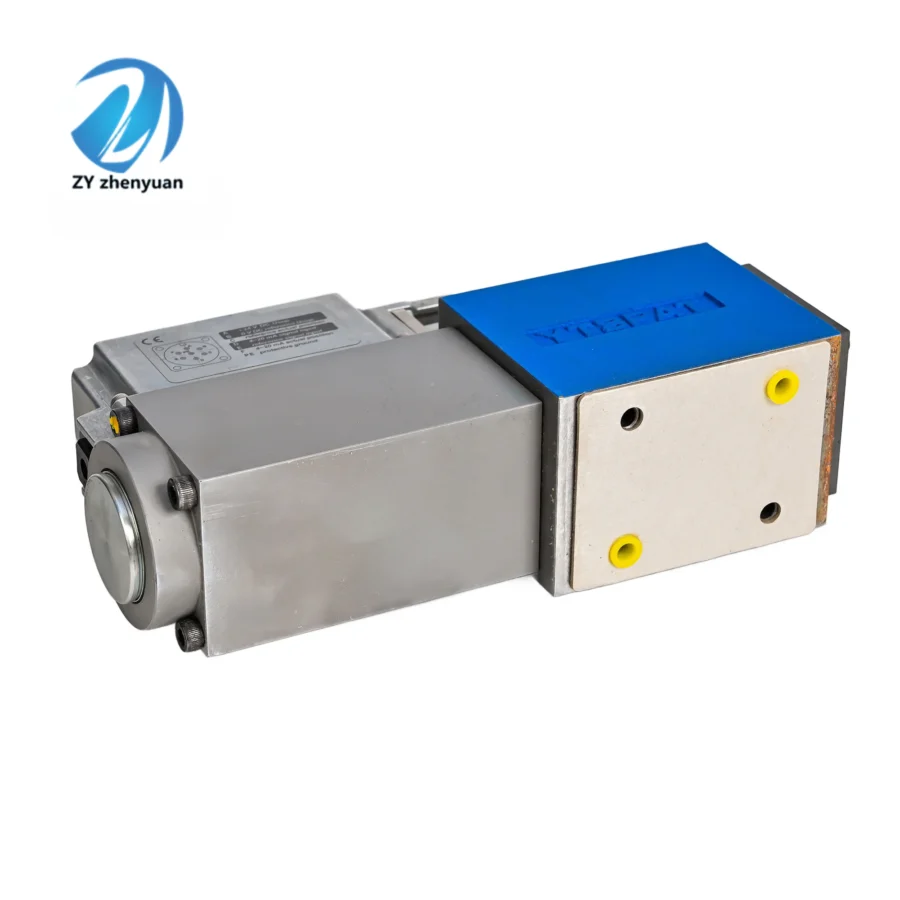
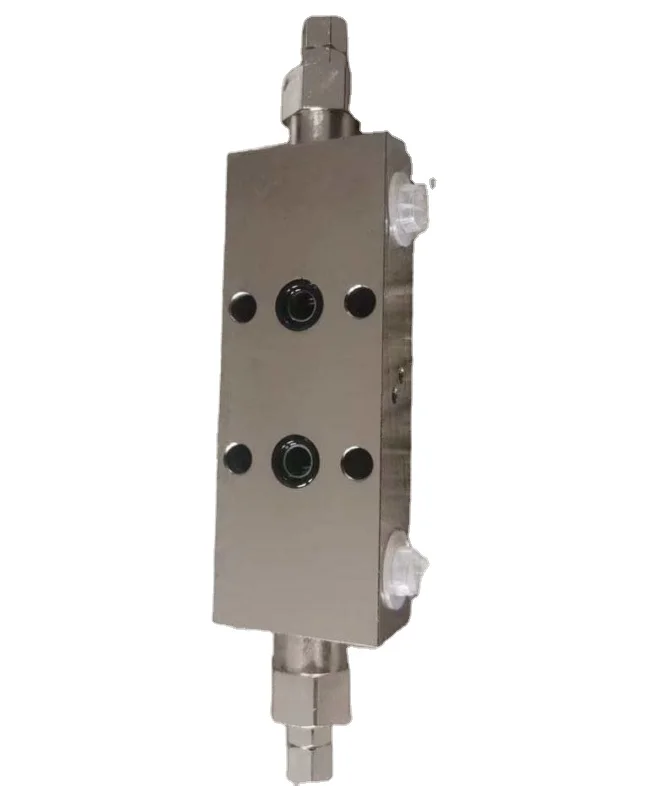
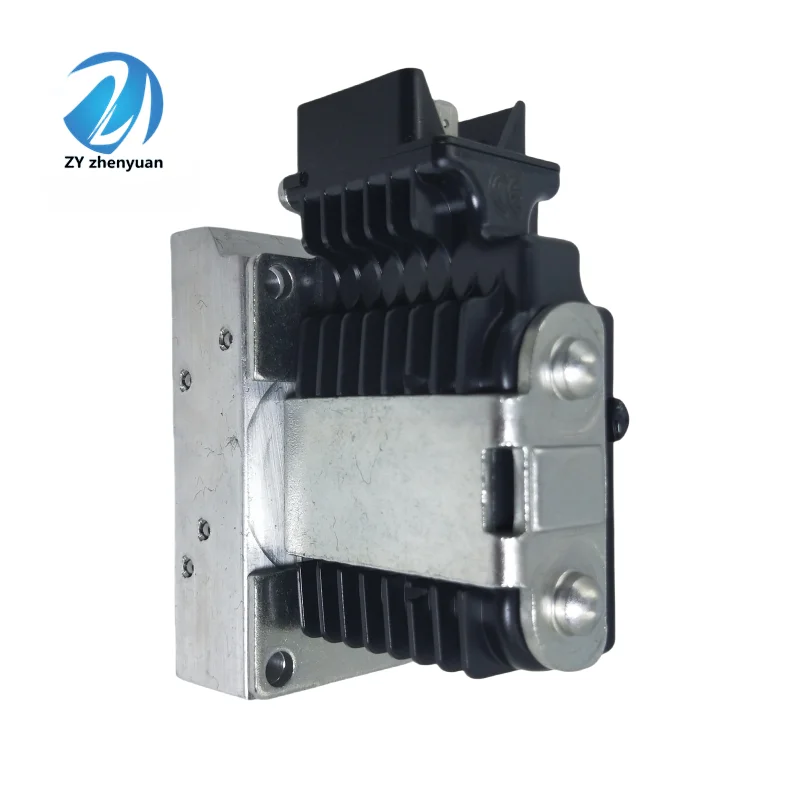
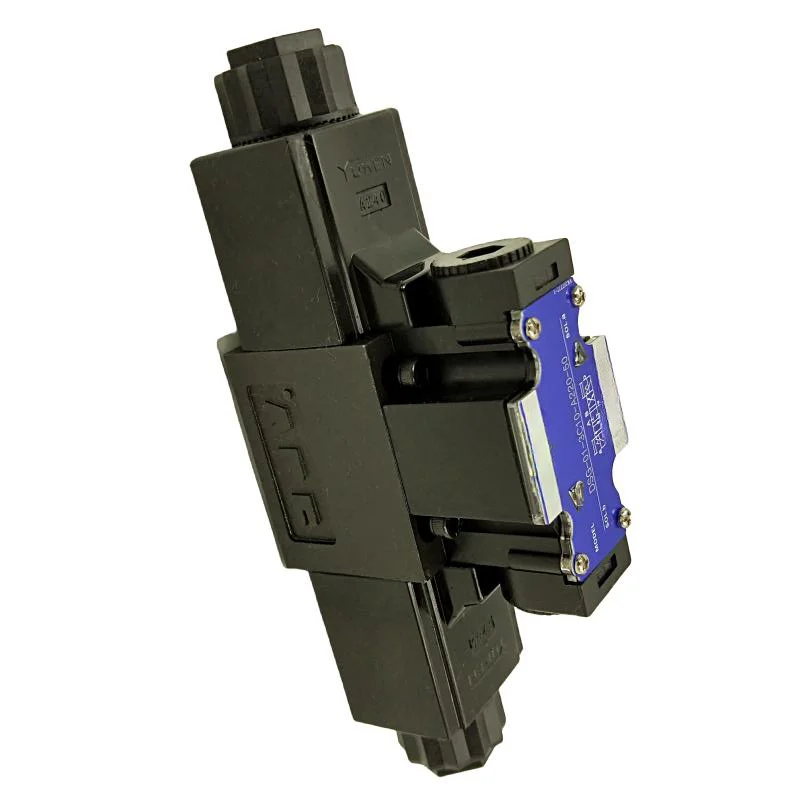
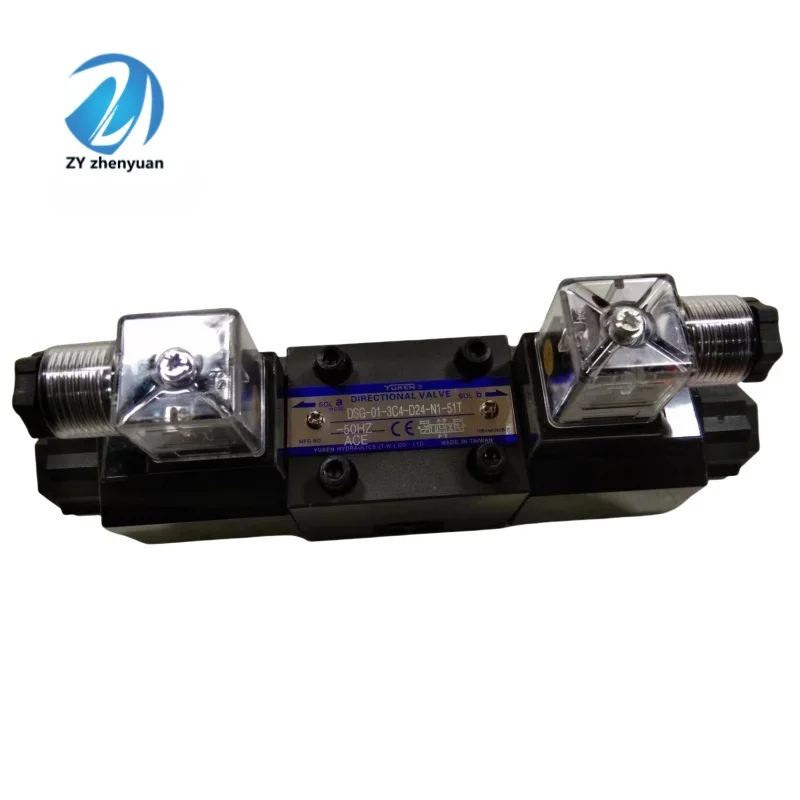
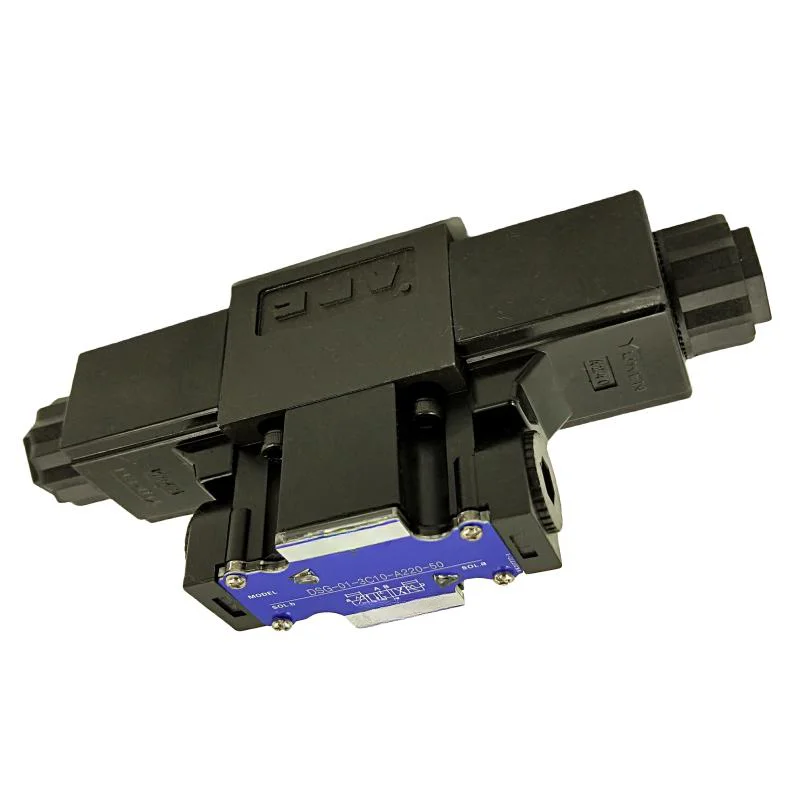
What is a hydraulic valve?
A hydraulic valve is a device used to control the flow of fluid within a hydraulic system. It regulates the actuators within the system—such as hydraulic cylinders, hydraulic motors, and the like—by adjusting the fluid’s direction, pressure, and flow rate.
If the hydraulic pump serves as the system’s “heart” (providing power), then the hydraulic valve acts as its “brain” and “central nervous system.” It does not generate energy itself; rather, it determines where that energy (the hydraulic fluid) is directed, the pressure at which it operates, and the speed at which it flows.
From a professional engineering perspective, the hydraulic valve functions as a control element within a hydraulic transmission system.
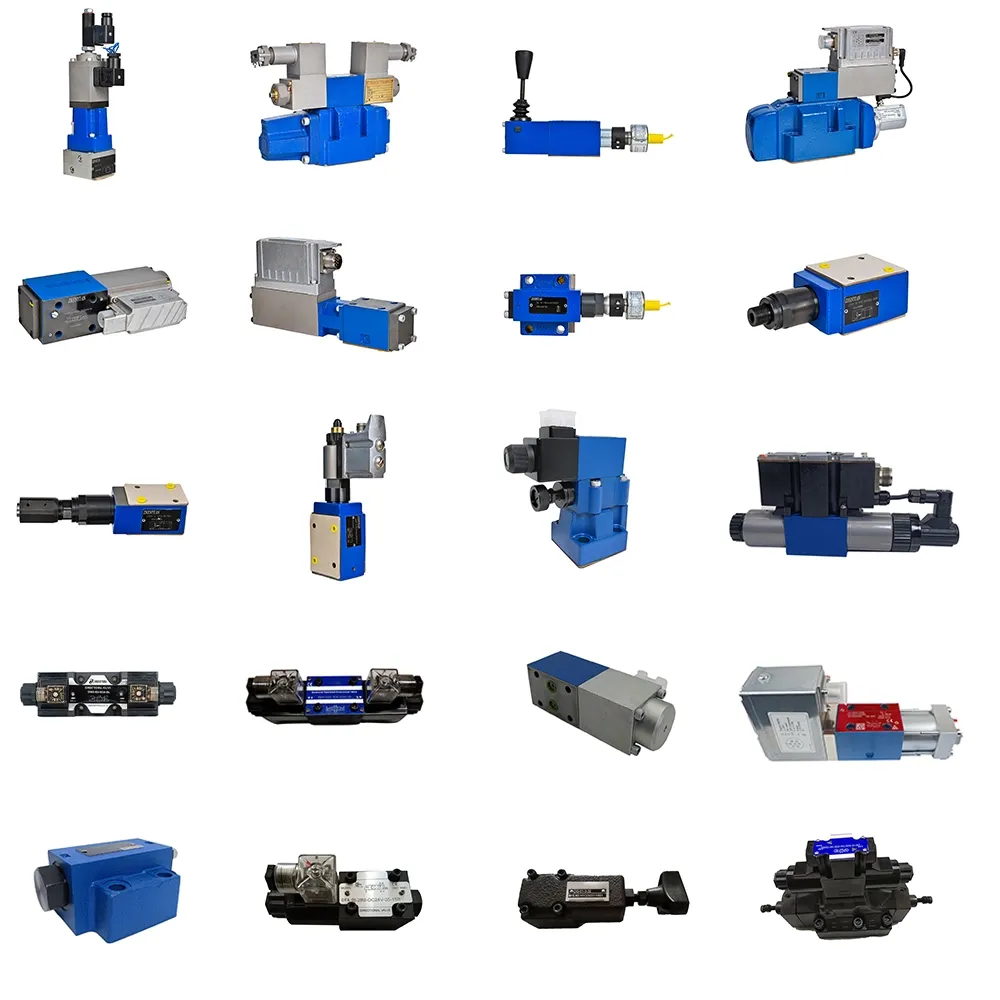
Main Functions of Hydraulic Valves
1. Directional Logic Management
This is the most direct function of a hydraulic valve. By shifting the spool position, it redirects the flow of hydraulic oil. Performance: Determines whether the actuator (e.g., a hydraulic cylinder) extends, retracts, or holds in place.Technical Value: Enables the commutation of mechanical movements and sequences (forward/reverse logic).
2. Pressure Dynamics Regulation
Hydraulic valves maintain the system within safe load limits by adjusting spring tension or pilot pressure. Performance: Sets the maximum working pressure or steps down high pressure to a lower level for specific sub-circuits.Technical Value: Prevents equipment damage (like hose bursts) due to overload and ensures precise multi-pressure supply.
3. Motion Velocity Throttling
By changing the cross-sectional area of the valve orifice, the valve controls the volume of oil entering the actuator. Performance: Controls the speed of lifting/lowering an arm or the RPM of a motor.Technical Value: Ensures smooth and precise mechanical movements, preventing loss of control or severe impact.
4. Safety Redundancy & Circuit Protection
Acting as the final line of defense, hydraulic valves operate automatically during abnormal conditions. Performance: Relief valves open automatically to dump excess pressure, and check valves/locks prevent heavy loads from falling in the event of power loss.Technical Value: Protects expensive pump sources and personnel safety while extending the service life of the machinery.
Types of hydraulic valves
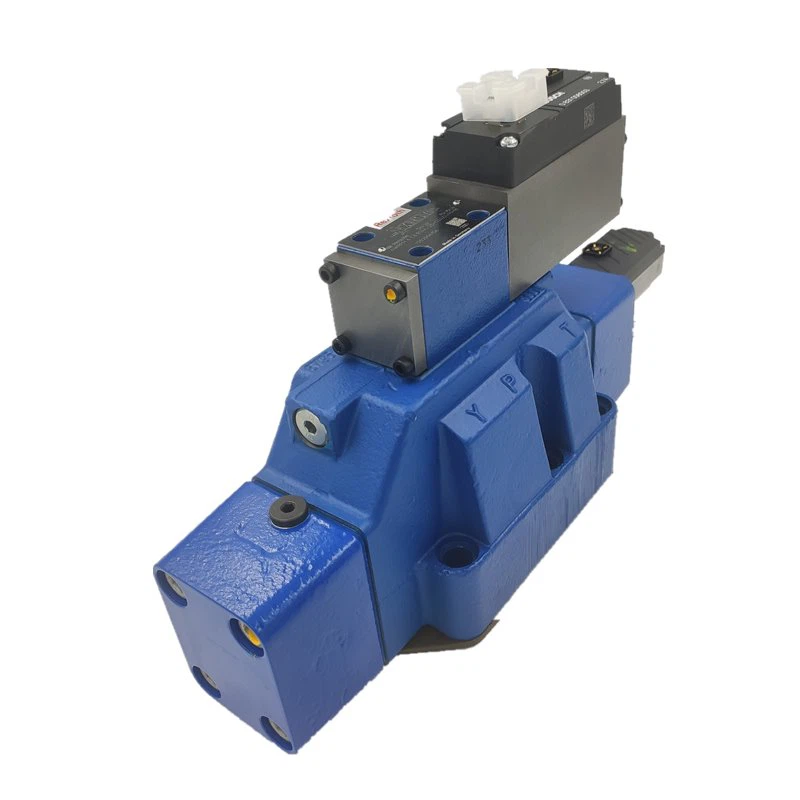
Hydraulic Directional Control Valve
A hydraulic directional control valve is a key component used to control the flow direction of hydraulic fluid, determining the start, stop, and movement direction of actuators such as cylinders or motors.
It operates by shifting an internal spool to change flow paths, directing fluid to different ports for precise control of machine motion. Common types include 2/2 valves (basic on/off control), 3/2 valves (for single-acting systems), 4/2 valves (for double-acting control), and 4/3 valves (with a center position for more complex systems).
These valves can be actuated manually, electrically (solenoid), hydraulically, or pneumatically, offering fast response, flexible control, and reliable performance. They are widely used in construction machinery, industrial equipment, and automation systems, making them an essential component in hydraulic systems.
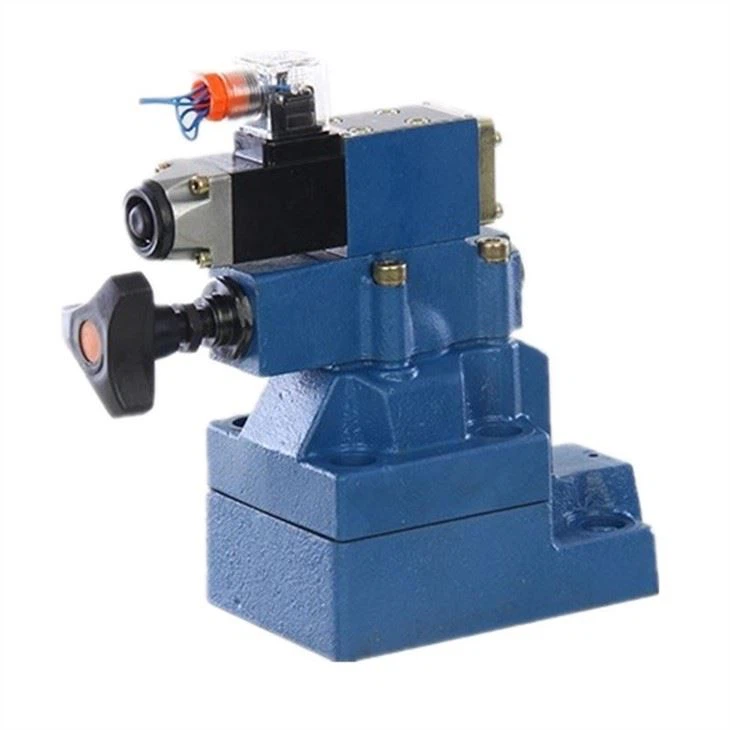
Hydraulic Pressure Control Valve
A hydraulic pressure control valve is a critical component used to regulate and limit system pressure in hydraulic systems, ensuring safe and stable operation by preventing pressure from exceeding preset levels.
It works by automatically adjusting the valve opening according to system pressure; when the pressure rises above the set value, the valve opens to divert or release excess fluid, thereby maintaining pressure within a safe range.
Common types include relief valves (for maximum pressure limitation and overload protection), pressure reducing valves (for maintaining stable lower pressure in specific circuits), sequence valves (for controlling the operating order of multiple actuators based on pressure), and combined relief/sequence valves (integrating pressure protection and sequence control functions).
Featuring fast response, stable control, and high reliability, these valves are widely used in hydraulic lifting equipment, hydraulic presses, and various construction machinery systems, making them essential for system safety and performance.
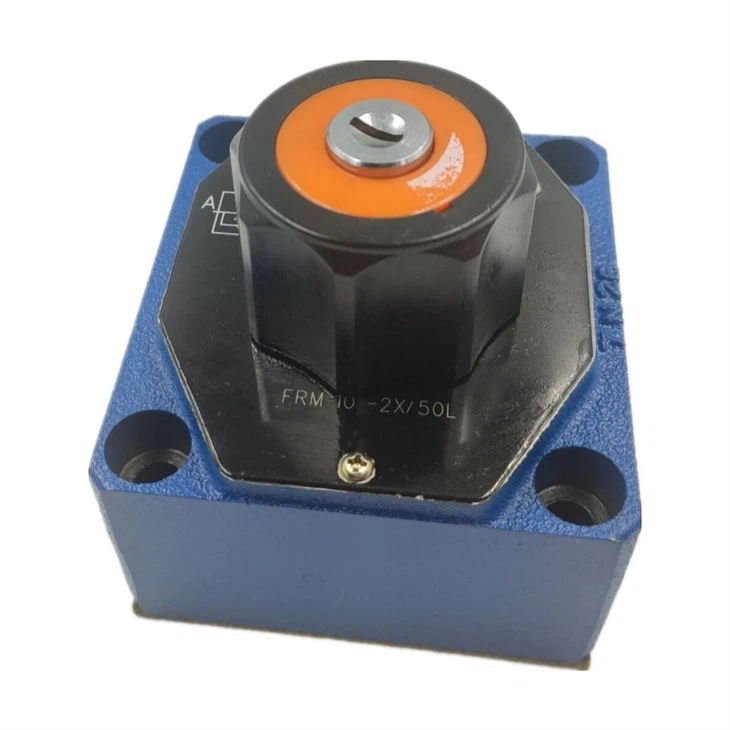
Hydraulic Flow Control Valve
A hydraulic flow control valve is a key component used to regulate the flow rate of hydraulic fluid, enabling precise control of the speed and efficiency of actuators such as hydraulic cylinders and motors.
It operates by adjusting the valve opening or flow area to control fluid velocity, ensuring stable and accurate motion control.
Common types include throttle valves (for basic flow adjustment, often used in combination with pressure control valves), proportional flow valves (which use electrical signals such as current or voltage for precise and continuous flow regulation), and cushioning valves (designed to reduce fluid shock, vibration, and wear).
With features such as high control accuracy, smooth operation, and strong adaptability, these valves are widely used in lifting equipment, power systems, and various industrial machinery to control cylinder speed or motor rotation, making them essential for stable system performance.
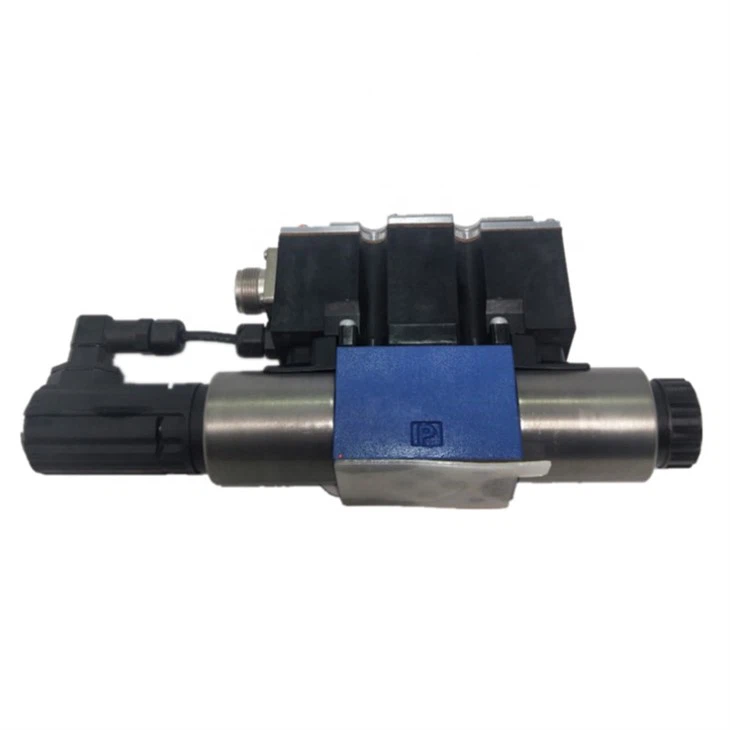
Hydraulic Proportional Control Valve
In hydraulic engineering, Proportional Control Valves represent the critical bridge between electronic control and fluid power. These valves are high-performance components designed to convert continuously variable electrical input signals (such as current or voltage) into corresponding, proportional mechanical outputs.
Unlike traditional “on-off” directional valves that only operate in discrete states, the defining characteristic of a proportional valve is its stepless regulation capability. By precisely modulating the spool displacement, it enables the fine-tuned, progressive adjustment of flow rate, pressure, and direction.
This dynamic control allows the system to eliminate hydraulic shock, ensuring smooth acceleration/deceleration and highly accurate velocity control. Due to their high responsiveness and precision, these valves are indispensable in automated sectors—such as CNC machinery, robotics, and aerospace—where rigorous control over motion trajectories and torque is essential.
Installation and Maintenance of Hydraulic Valves
1. Verify Specifications & Prepare Environment
Before installation, confirm that all technical specifications match system requirements and ensure a clean working environment to prevent contamination.
2. Proper Installation & Positioning
Install the valve in a position that minimizes pressure loss, and ensure the flow direction strictly follows the markings on the valve body.
3. Correct Mounting Method
Tighten mounting bolts evenly in a crisscross pattern to avoid valve body deformation, which may lead to internal component sticking or malfunction.
4. Routine Maintenance & Performance Assurance
Adopt a proactive maintenance approach, including monitoring oil cleanliness, replacing worn seals in time, and regularly checking pressure and flow settings. Standardized procedures and periodic testing help maintain performance stability and reduce unexpected downtime.
How to Select a Cost-Effective Hydraulic Valve?
1. Precise Specification Matching (Avoid Over-Engineering)
The most expensive valve is not necessarily the best for your application. Selection should be strictly based on the system’s actual peak pressure, rated flow, and dynamic response requirements. Professional Advice: If the system only requires basic switching, a standard solenoid directional valve is sufficient. Do not pay for high-precision proportional or servo functions unless they are functional necessities.
2. Evaluate the Total Cost of Ownership (TCO)
True cost-effectiveness is reflected in durability. Budget valves often save costs on sealing materials and heat treatment, leading to early internal leakage or spool jamming. Professional Advice: Focus on the casting quality of the valve body and the wear resistance of internal parts. A valve with a long service life and low spare-part turnover has a much lower “cost per operating hour” than a cheap alternative.
3. Assess Brand Compatibility and Service Response
In international trade and industrial maintenance, interchangeability and support are vital components of value. Professional Advice: Prioritize brands that comply with international standards (such as ISO 4401 mounting patterns) to ensure seamless integration. Additionally, verify if the supplier provides prompt technical support and accessible seal repair kits to minimize downtime losses.
4. Focus on Flow Characteristics and Energy Efficiency
High-performance valves feature superior internal flow path designs, effectively reducing pressure drop ($\Delta P$).Professional Advice: A lower pressure drop means less energy is converted into heat due to resistance. Selecting valves with efficient flow paths reduces system overheating and energy consumption for cooling, improving the overall energy cost-effectiveness of the machinery.
Price Factors and Cost-Benefit of Hydraulic Valves
1. Primary Price Drivers
Functional Complexity & Control Precision: Basic directional control valves are the most cost-effective. Pressure control valves are intermediate, while proportional and servo valves—which integrate electronic feedback and high-frequency response—command the highest prices due to intensive R&D and precision manufacturing requirements.
Size and Pressure Rating: As the nominal size (e.g., NG6 to NG25) and rated pressure (e.g., 21MPa to 42MPa) increase, the valve body must be cast from high-strength ductile iron or alloy steel, requiring more machining hours and pushing up the cost.
Actuation Method: Manual or mechanical actuation offers the lowest entry price. Solenoid-operated valves involve coils and tubes, representing a mid-range cost. Pilot-operated or electronic proportional drives, which include sensors and control circuitry, significantly increase the price point.
Material & Environmental Resistance: Valves made from all-stainless steel or featuring specialized anti-corrosion coatings for harsh environments (e.g., offshore or chemical processing) are priced much higher than standard carbon steel or iron variants.
2. Measuring Cost-Benefit
Lifecycle Return on Investment (ROI): While premium hydraulic valves have a higher initial acquisition cost, their low internal leakage and precise response reduce system energy consumption and significantly extend the maintenance intervals for actuators.
Downtime Risk Mitigation: In automated production lines, a single valve failure can cause losses of thousands of dollars per hour in output. Selecting highly reliable valves is essentially purchasing “stability insurance” for the entire system.
Compatibility and Scalability: Valves complying with ISO international standards offer better interchangeability, reducing the burden of spare parts inventory and the time-cost of sourcing alternatives.
Noise and Vibration Control of Hydraulic Valves
Noise and vibration in hydraulic systems directly affect equipment stability, service life, and the working environment. Therefore, when selecting and designing hydraulic valves, it is essential to consider noise reduction and vibration resistance, especially for applications with strict noise requirements.
01. Noise Sources and Control
The operating noise of a hydraulic valve mainly results from fluid flow behavior and pressure fluctuations. When hydraulic fluid passes through the valve, high flow velocity or improper flow channel design may cause turbulence and pressure pulsation, leading to noise.
To reduce noise, the following measures can be applied:
Optimized valve design
Smooth flow channels help minimize turbulence and fluid impact, reducing noise at the source.
Proper system parameter matching
Maintaining appropriate pressure and flow levels prevents excessive noise caused by overload or sudden changes.
Suitable hydraulic oil selection
Using oil with proper viscosity improves flow characteristics and reduces fluid noise.
Optimized system layout
Proper pipeline design and connections help reduce flow resistance and vibration sources.
For noise-sensitive environments, such as precision equipment or indoor machinery, low-noise hydraulic valves are recommended to ensure quieter operation.
02. Vibration Control and Design Measures
Vibration in hydraulic systems is mainly caused by pressure fluctuations, unstable flow, and irregular spool movement. If not controlled, it can lead to component wear, seal failure, and reduced system efficiency.
Common vibration reduction methods include:
Buffering design
Incorporating buffer structures or transition zones helps reduce hydraulic shock and sudden vibration.
Damping and spring mechanisms
Using springs or damping elements stabilizes spool movement and prevents excessive oscillation.
Optimized spool structure
Improved spool geometry and precision reduce friction and irregular motion-induced vibration.
System parameter adjustment
Maintaining stable flow and pressure avoids frequent start-stop cycles and load fluctuations.
In complex applications, combining proportional valves or anti-vibration components can further enhance system stability and effectively reduce both vibration and noise.
FAQs
1. What types of hydraulic valves do you offer?
2. What is the standard operating pressure range for your valves?
3. What materials are used for the valve body and internal components?
4. How do I select the right hydraulic valve for my system?
5. What is the recommended maintenance cycle?
6. What are the available control methods?
Shoot Us An Email
Professional Manufacturer