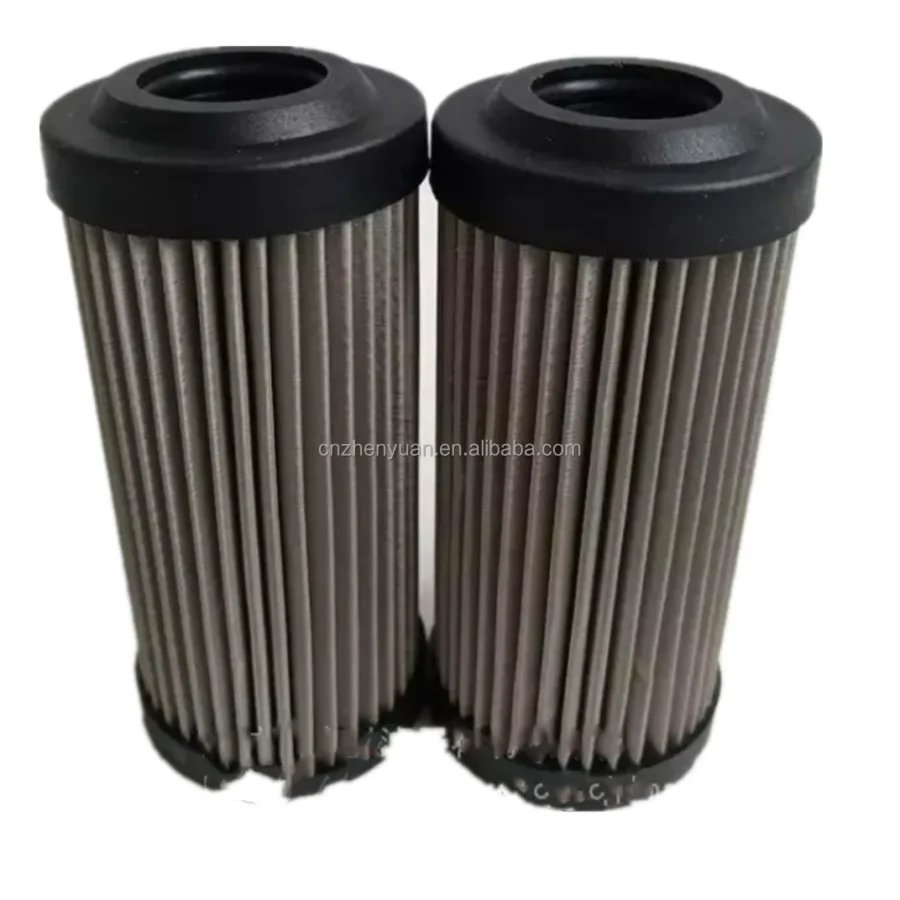
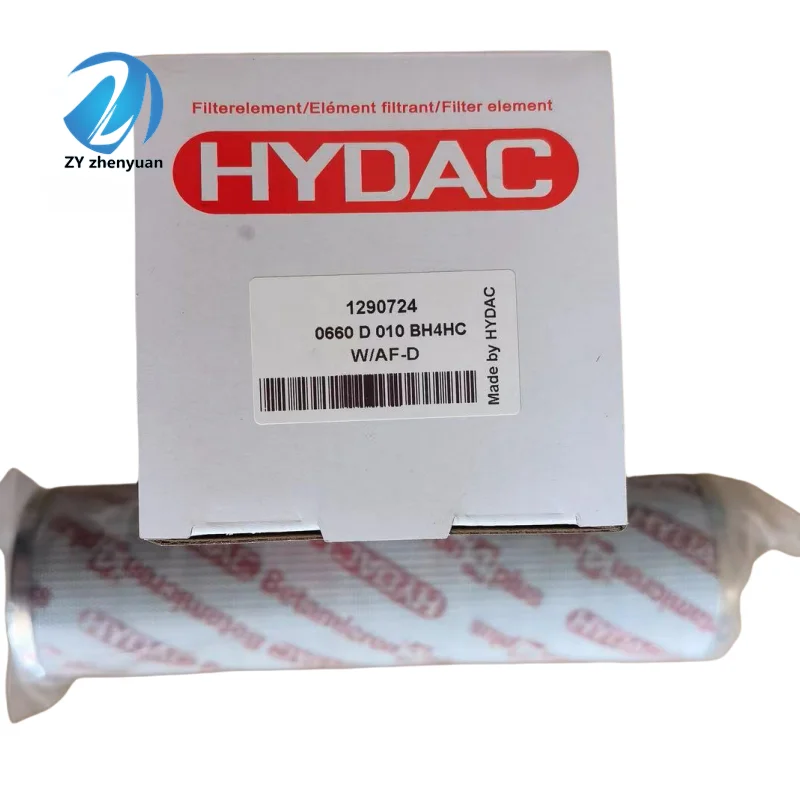
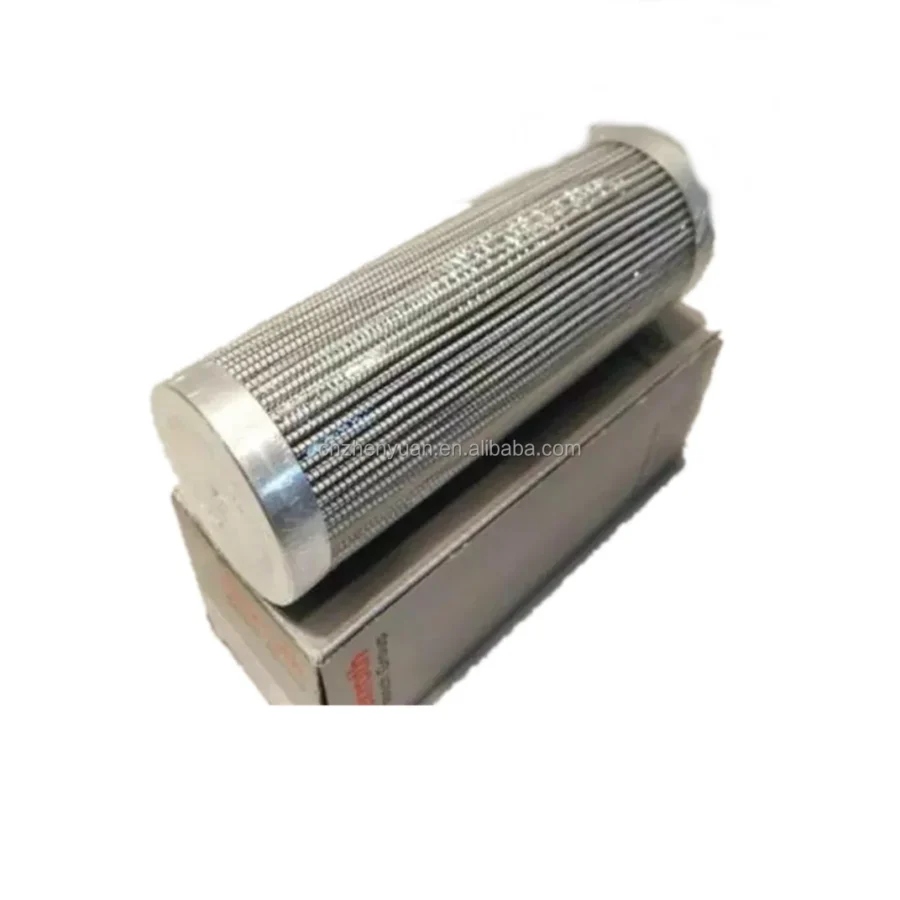
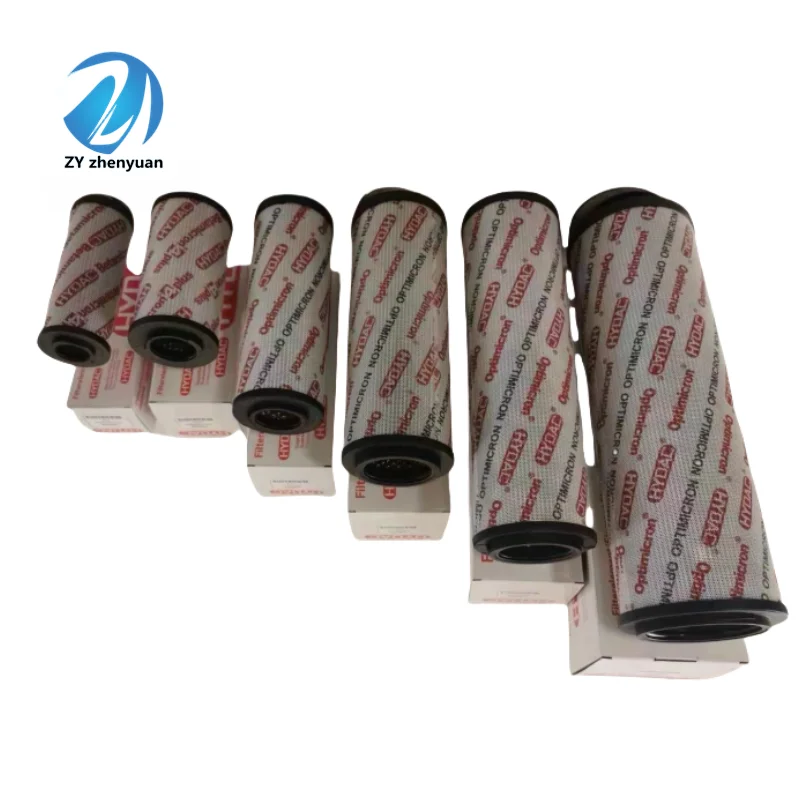
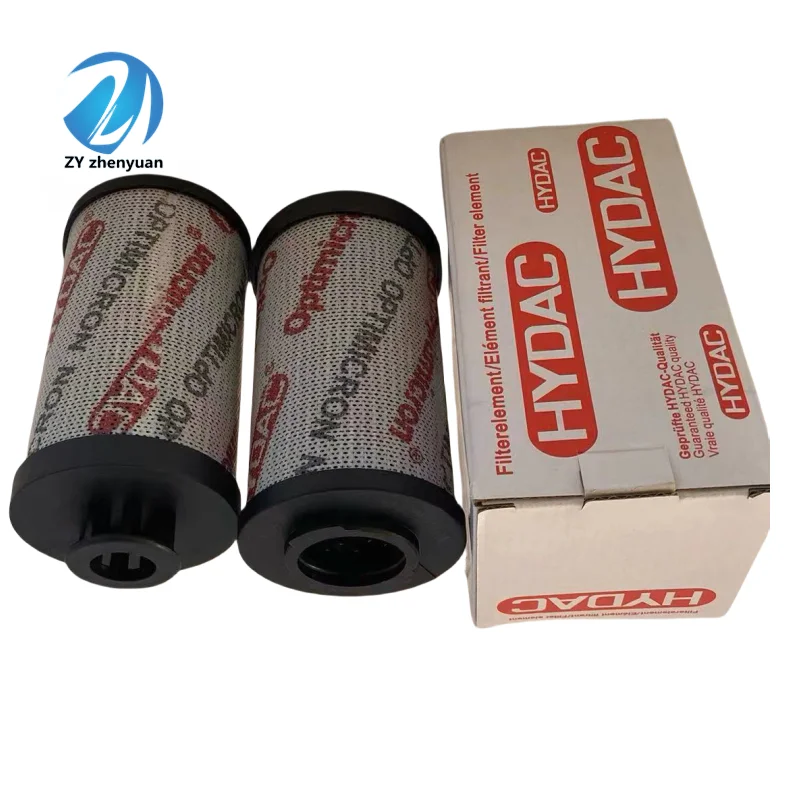
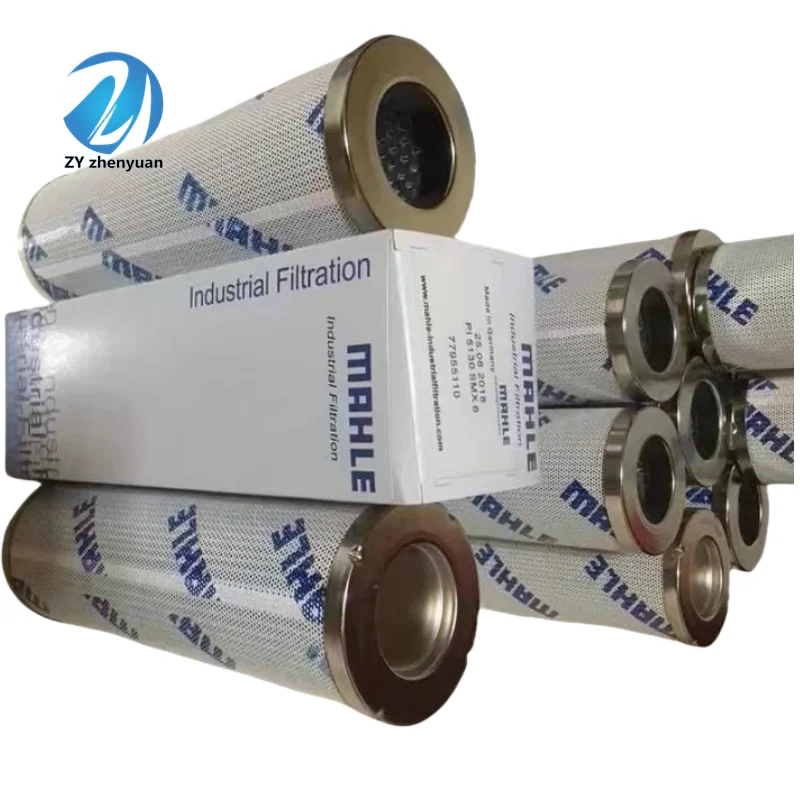
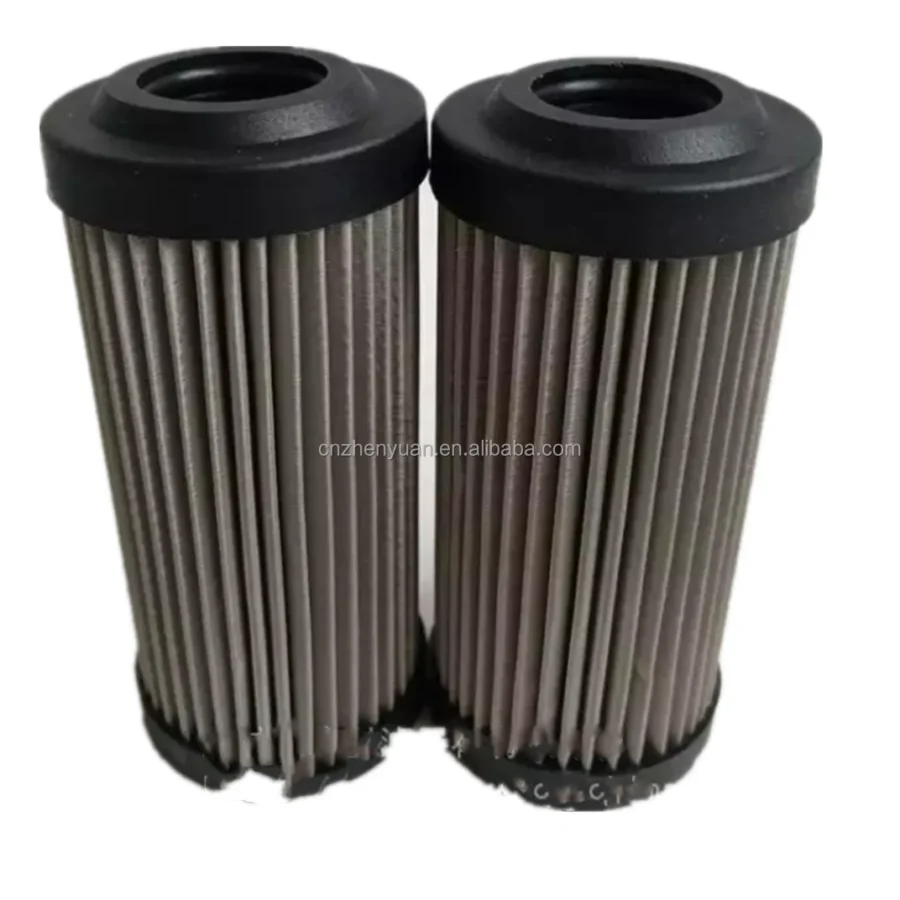
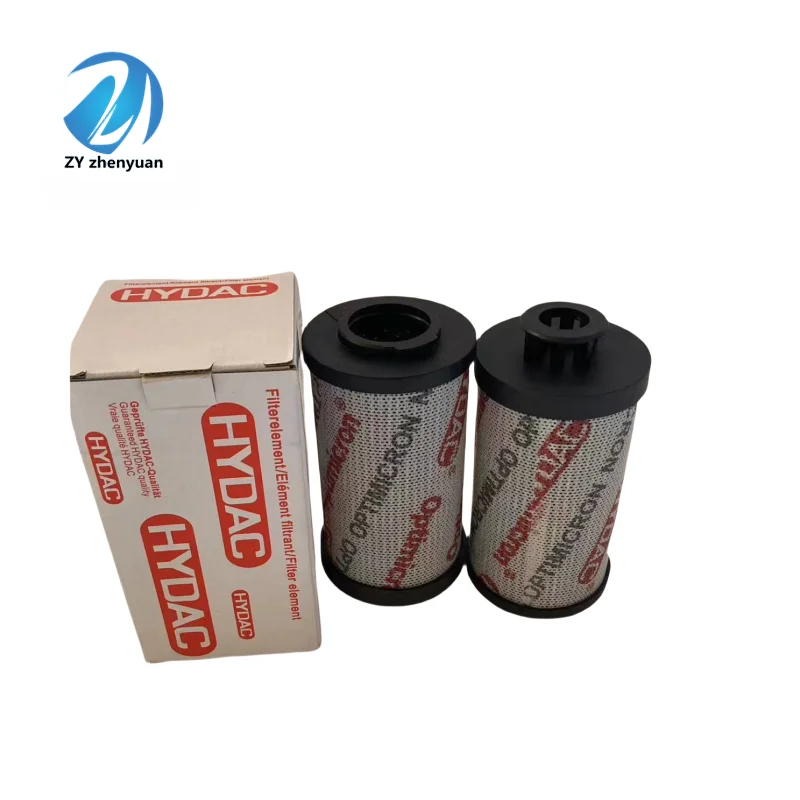
A hydraulic filter element is a critical component for maintaining fluid cleanliness in hydraulic systems. Its primary function is to remove solid particles, moisture, and contaminants from hydraulic oil, protecting key components such as pumps, valves, and motors. Effective filtration enhances system reliability, extends service life, and improves overall performance.
01. Sources of Contamination
Contaminants in hydraulic systems mainly originate from:
Manufacturing Residues:
Metal chips, welding slag, casting sand, and leftover debris from assembly.
External Ingress:
Dust, moisture, and airborne particles entering through breathers, seals, or maintenance activities.
Operational Wear:
Wear particles from moving parts, degraded seals, and oxidation byproducts in the oil.
02. Core Functions
Hydraulic filter elements provide more than basic filtration:
Particle Removal:
Capture contaminants of various sizes through multi-layer filter media.
Component Protection:
Prevent damage to precision parts and reduce failure risks.
System Stability:
Minimize pressure fluctuations and maintain consistent performance.
Extended Oil Life:
Reduce contamination levels, slowing oil degradation.
03. Filtration Mechanisms & Types
Different filter types serve various purposes:
Mechanical Filtration:
Uses porous media (e.g., fiberglass, mesh) to trap particles.
Magnetic Filtration:
Captures ferrous particles using magnetic materials.
Fine Filtration:
Provides micron-level precision for high-performance systems.
Separation Filtration:
Removes water or air from hydraulic oil.
04. System Impact
Contamination can lead to:
- Increased wear and reduced equipment lifespan
- Blockage of valves and orifices
- Loss of lubrication and overheating
- System instability, noise, and inefficiency
Industry data shows that most hydraulic failures are related to contamination, making filtration essential.
05. Selection Considerations
Filtration Rating:
Choose appropriate micron levels based on system requirements.
Flow Capacity:
Ensure the filter can handle system flow without excessive pressure drop.
Differential Pressure Monitoring:
Track clogging and replace filters in time.
Installation Location:
Suction, return, or pressure line placement depends on system design.
06. Maintenance Practices
Regular Replacement:
Follow a maintenance schedule based on usage or pressure indicators.
Clean Handling:
Prevent contamination during oil filling and servicing.
Seal Inspection:
Ensure proper sealing to avoid bypass flow.
Condition Monitoring:
Use oil analysis and particle counting for predictive maintenance.