
Gear Pump

Product Categories

What Is a Gear Pump?

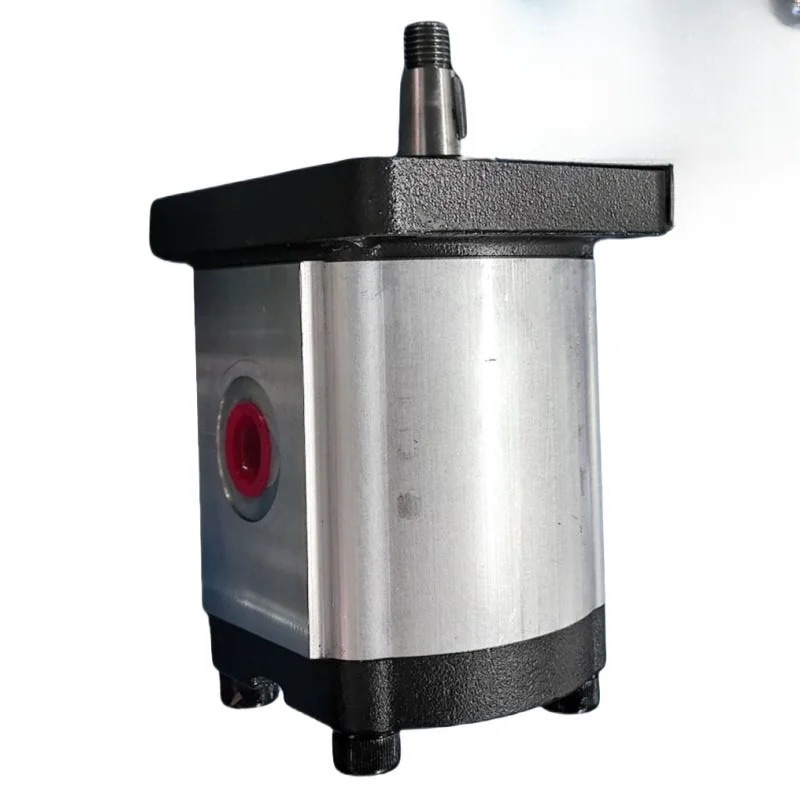
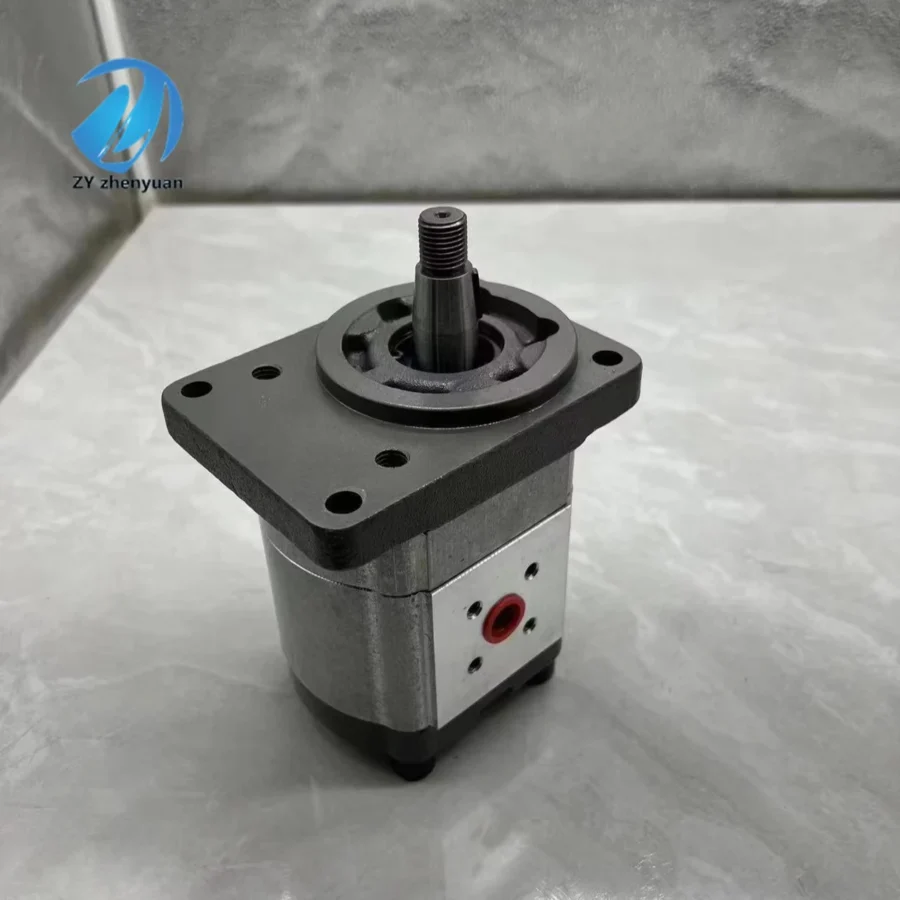
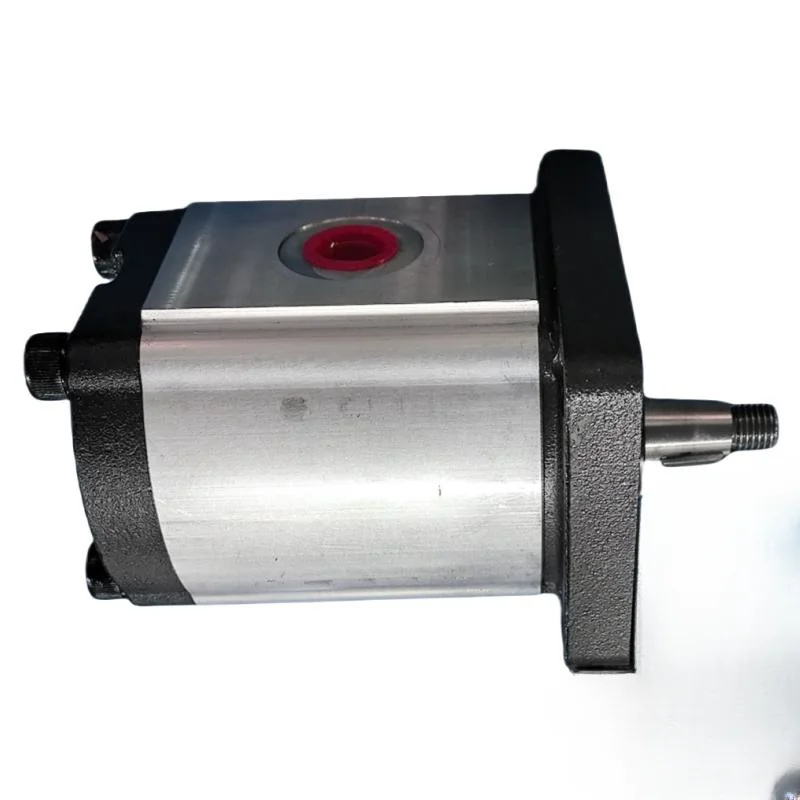
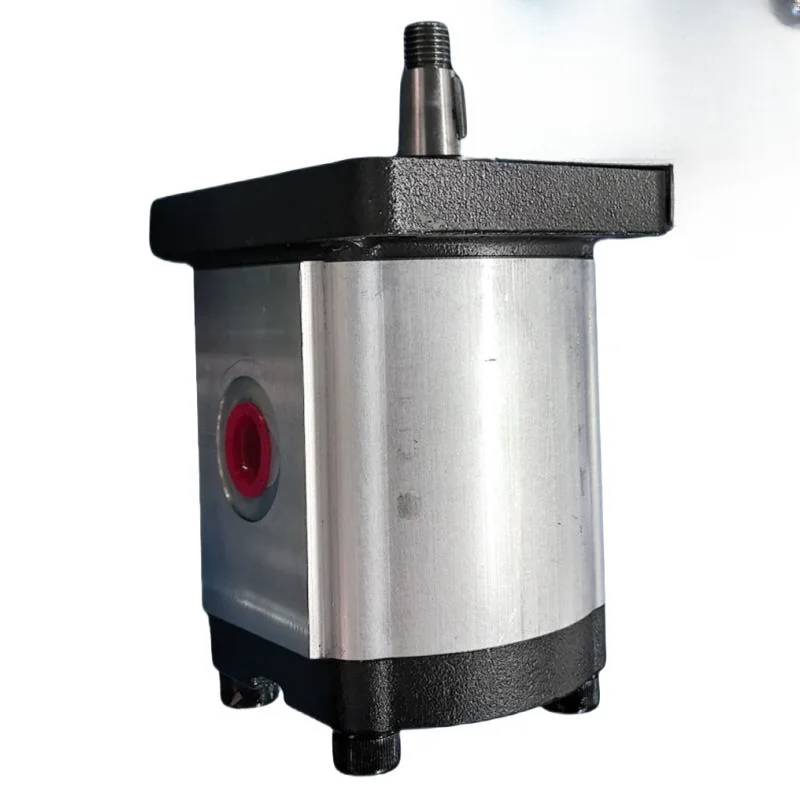
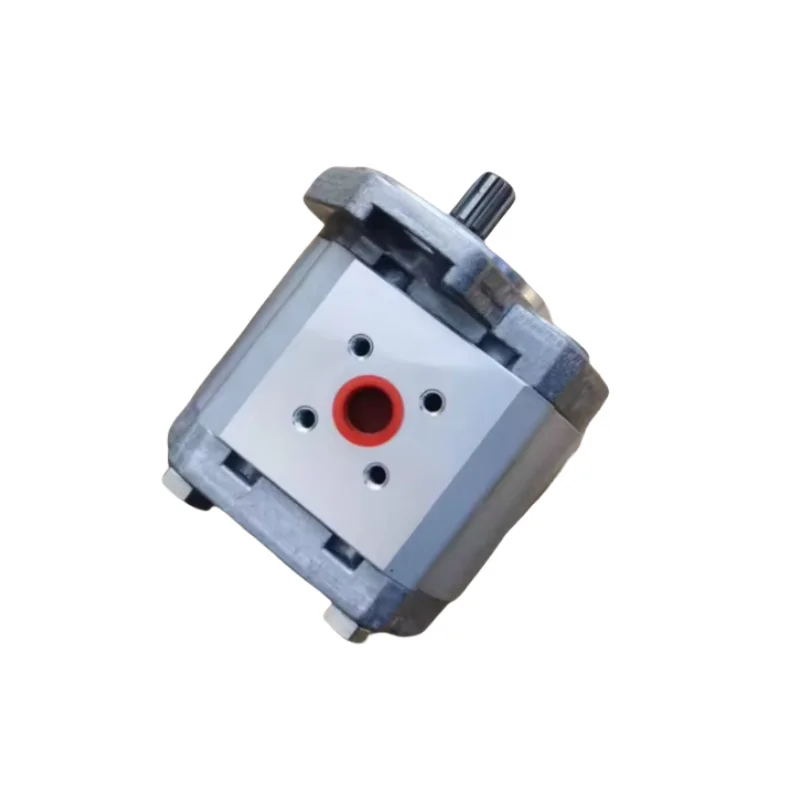
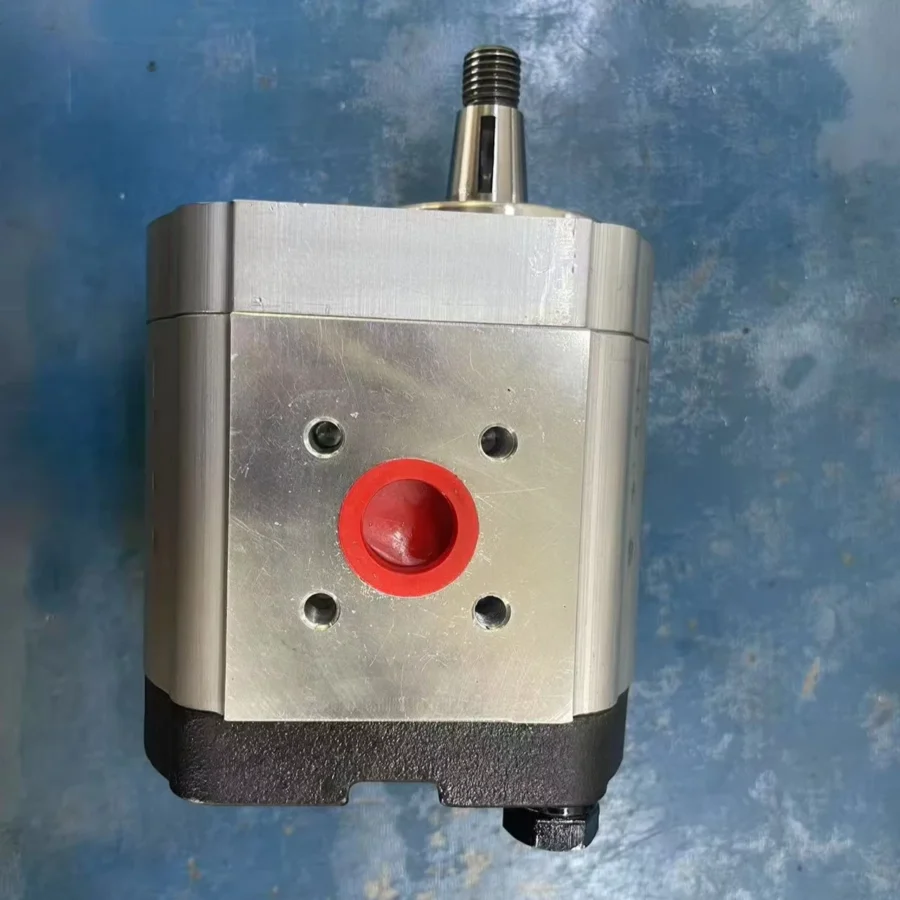
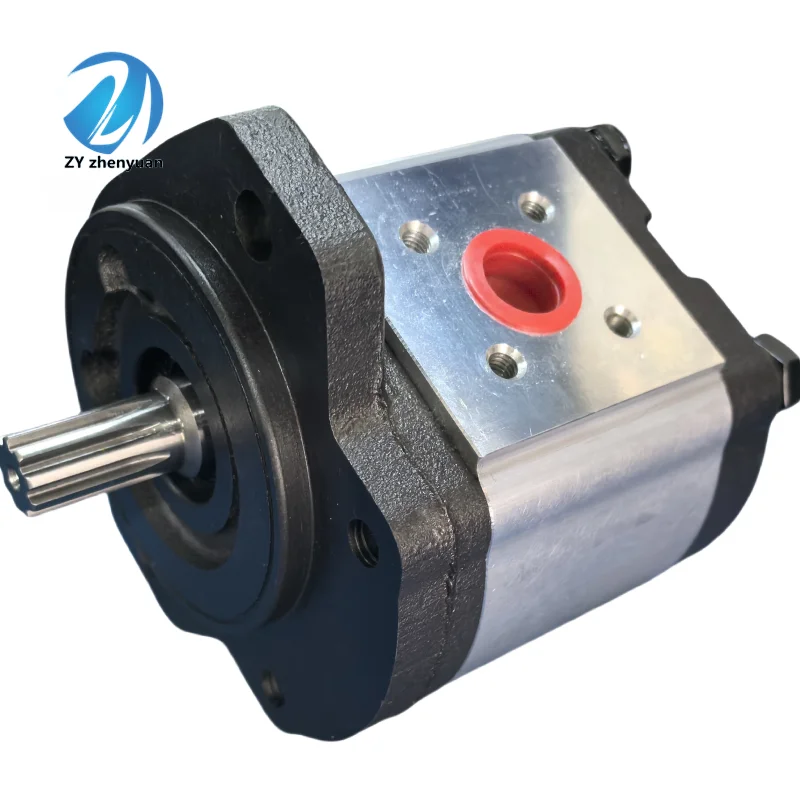
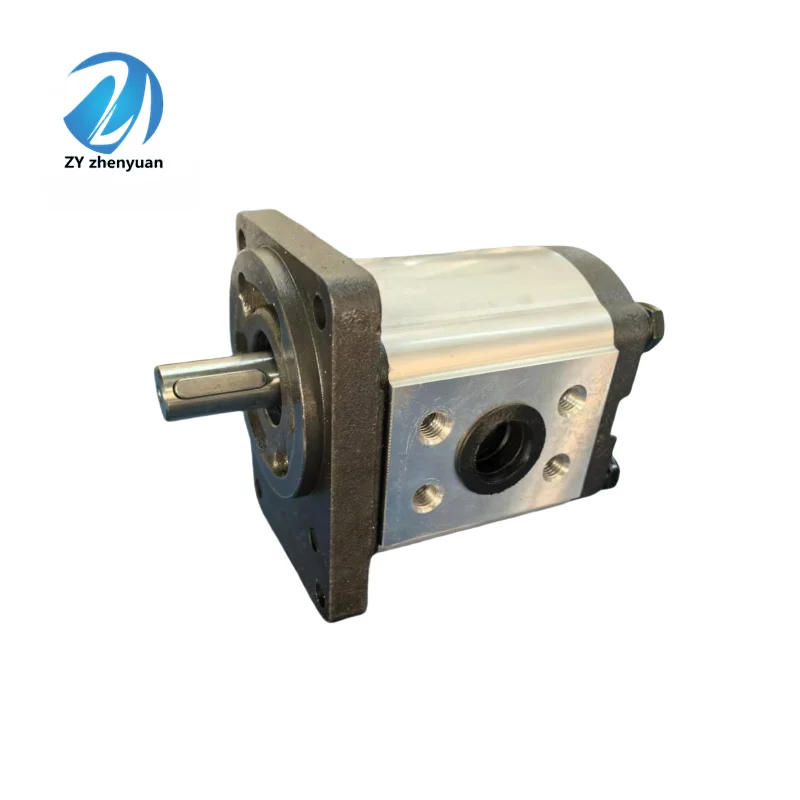
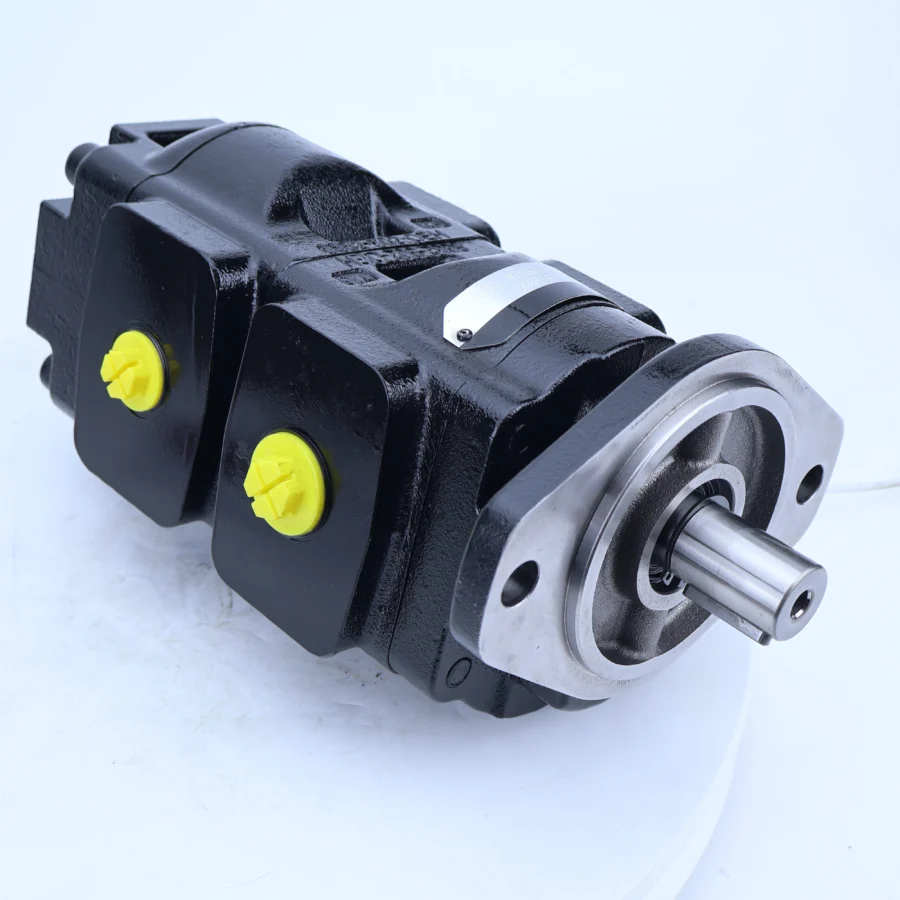
A gear pump is a common type of positive displacement hydraulic pump that transfers fluid through the rotation of two meshing gears. It works by creating sealed spaces between the gear teeth and the pump housing, allowing fluid to be drawn in at the inlet and pushed out at the outlet, enabling continuous fluid delivery.

As the gears rotate, the teeth separate at the inlet side of the pump, creating a low-pressure area that draws fluid into the pump chamber. The fluid is then carried around the casing by the rotating gears. When the gears mesh again on the outlet side, the fluid is forced out under pressure, completing the pumping process.

Gear pumps are known for their simple structure, compact size, stable operation, and relatively low maintenance cost. Because of their reliability and efficiency, they are widely used in many hydraulic and industrial systems, including construction machinery, agricultural equipment, machine tools, lubrication systems, and industrial automation equipment. In general, a gear pump uses the mechanical rotation of gears to move fluid, making it a practical and widely used solution in many types of machinery.

Types of Gear Pumps

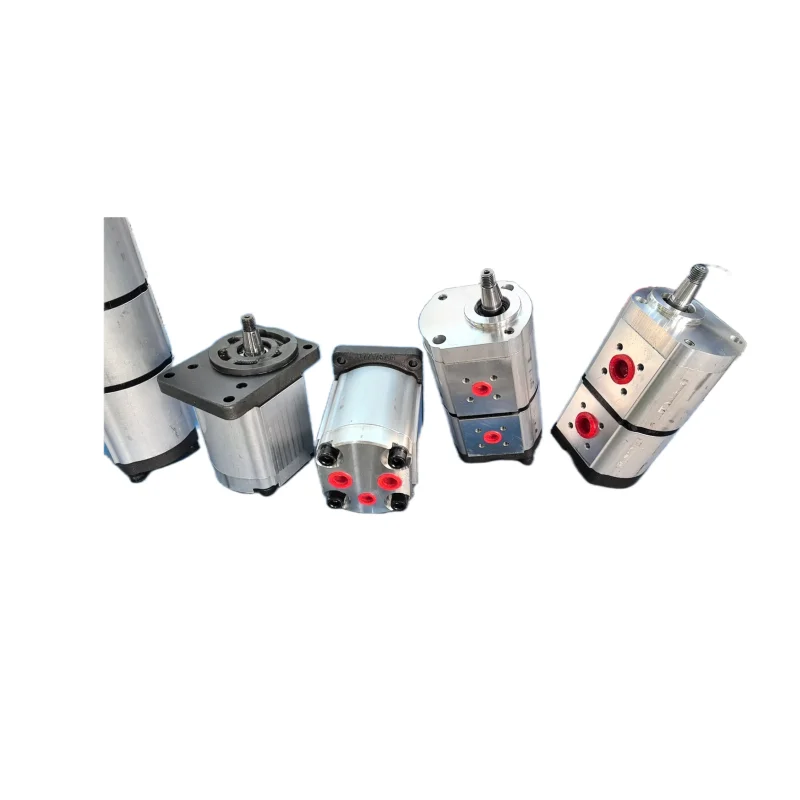
Gear pumps can generally be classified into two main types based on their structural design and operating principle: external gear pumps and internal gear pumps. Each type has different characteristics and is suitable for different applications.

1. External Gear Pump

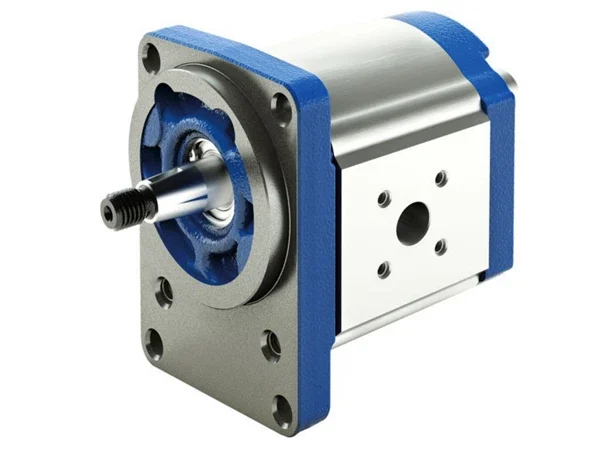
external gear pump

An external gear pump is the most common type. It consists of two gears of the same size that mesh with each other and rotate inside the pump housing to move fluid. As the gears rotate, the fluid is carried in the spaces between the gear teeth and the pump casing and then transported to the outlet. External gear pumps are known for their simple structure, low manufacturing cost, and easy maintenance, which makes them widely used in hydraulic systems, construction machinery, agricultural equipment, and many types of industrial machinery.

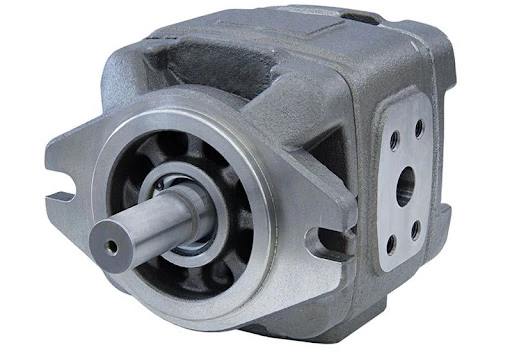
2. Internal Gear Pump

An internal gear pump uses a design where a smaller gear rotates inside a larger gear. This structure usually includes a crescent-shaped partition that separates the suction and discharge areas. The design allows the fluid to move more smoothly inside the pump, resulting in lower noise and better performance when handling high-viscosity fluids. Internal gear pumps are commonly used in lubrication systems, chemical processing equipment, fuel transfer, and industries such as food and pharmaceuticals.

In general, different types of gear pumps are suitable for different working conditions and fluid properties. When selecting a gear pump, factors such as pressure requirements, flow rate, and the characteristics of the fluid should be carefully considered.

Gear Pump Structure

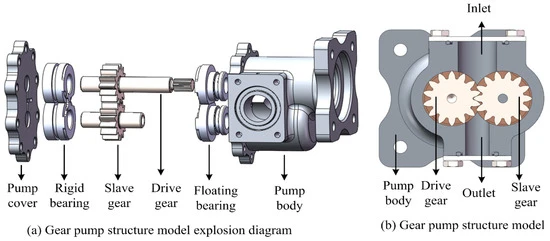
The internal structure of a hydraulic gear pump mainly consists of several key components that work together to ensure smooth fluid transfer and stable pump operation.

1. Gear
Drive gear: The drive gear is connected to an external power source such as an electric motor or engine and acts as the main input gear that initiates rotation inside the pump.
Driven gear: The driven gear meshes with the drive gear and rotates simultaneously, carrying fluid from the pump inlet to the outlet.

2. Pump Body
Pump casing: The casing forms the main body of the pump and provides structural support for the internal gears. It is typically manufactured through casting or machining and must be strong enough to withstand the working pressure of the system.
Pump cover: The cover seals one side of the pump body and usually contains the inlet and outlet ports, helping maintain internal sealing and fluid flow.

3. End Cover
Front cover: Positioned at the front of the pump and usually contains the fluid inlet port.
Rear cover: Located at the rear of the pump and typically includes the outlet port. The end covers help maintain proper sealing between the gears and the pump body to prevent leakage.

4. Shaft
Drive shaft: Transfers mechanical power from the motor or engine to the drive gear, allowing the gear set to rotate and perform the pumping function.
Driven shaft: Connected to the driven gear and helps maintain synchronized rotation for fluid movement.

5. Bearings
Support bearings hold the gear shafts in position and reduce friction during operation, ensuring smooth rotation and stable performance. They are typically installed inside the pump body or on the end covers.

6. Sealing Device
Shaft seal: Prevents fluid from leaking along the shaft from inside the pump to the outside environment while maintaining system pressure.
O-ring: Used between the pump body and the end cover to provide effective sealing and prevent fluid leakage.

7. Flow Control Device
Overflow valve: Protects the pump and hydraulic system by limiting excessive pressure and preventing system overload.
Regulating valve: Adjusts and stabilizes the pump’s output pressure to maintain consistent system operation.

8. Exhaust Device
Exhaust port: Allows trapped air or gas inside the pump to escape, helping maintain proper pump performance and preventing air blockage.

9. Filter Screen
Inlet filter: Installed at the fluid inlet to remove impurities from the liquid and protect internal components from wear and damage.

10. Adjustment Device
Flow adjustment device: Used to regulate the pump’s flow rate so that it can meet different operational requirements in various hydraulic systems.

Gear pump usage precautions

1. Ensure standard installation:

The equipment must be installed correctly and maintain good coaxiality with the drive motor to reduce vibration during operation, avoid abnormal wear of components, and lay a foundation for the stable operation of the equipment.


2. Check the oil before startup:

Before starting the gear pump, it is necessary to check the oil in the hydraulic system to ensure that the oil is sufficient and clean. Since gear pumps have specific requirements for the lubricating performance of oil, if the oil is seriously contaminated or has insufficient lubricity, it will accelerate the wear of core components such as gears and bearings, and shorten the service life of the equipment.


3. Control operating parameters:

During operation, the working pressure and speed must be strictly controlled within the range specified by the equipment, and long-term overload operation is strictly prohibited. Otherwise, it will cause the pump body to overheat, which will damage internal parts and affect the normal use of the equipment.


4. Regular inspection and maintenance:

During operation, it is necessary to regularly check whether the pump body has oil leakage, abnormal noise, severe vibration and other conditions. Once an abnormality is found, the machine should be shut down immediately for inspection, and the pump can be restarted only after troubleshooting and handling. At the same time, regularly replacing hydraulic oil and cleaning filters can effectively reduce impurities entering the pump body

FAQs

1.How can I determine if my hydraulic gear pump is damaged?
If you experience a drop in pressure, insufficient flow, increased noise, noticeable vibration, or oil leakage, it may indicate that the gear pump is damaged or worn.
Common types of hydraulic pumps include gear pumps, vane pumps, and piston pumps.
They have relatively lower pressure, are noisier, less efficient than piston pumps, and wear out faster under high pressure.
It is generally not recommended to use gear pumps to pump water, as they are mainly used for conveying fluids with good lubricity, such as hydraulic oil or lubricating oil.
Under normal use and maintenance conditions, the lifespan of a gear pump is typically around 5000–10000 hours.
A gear pump converts mechanical energy into hydraulic energy; a gear motor converts hydraulic energy into mechanical energy.
The typical operating pressure is 16–25 MPa, with some high-performance gear pumps reaching around 30 MPa.
Common symptoms include insufficient pressure, reduced flow rate, abnormal noise, increased oil temperature, and oil leakage.
Vane pumps operate more smoothly and are quieter; gear pumps have a simpler structure, lower cost, and stronger resistance to contamination.
They are noisier, have limited pressure capacity, and their efficiency drops significantly under high pressure.
Two external meshing gears rotate, creating a sealed space between the gears and the pump housing, carrying the liquid from the inlet to the outlet and discharging it.
Because water has poor lubrication, it easily causes rapid wear on the gears and pump body, and also results in poor sealing.
Shoot Us An Email

Professional Manufacturer

Scroll to Top
Shoot Us An Email

Professional Manufacturer