
Hydraulic Pump
Product Categories
Showing 1–12 of 1690 results


- Hydraulic Pump
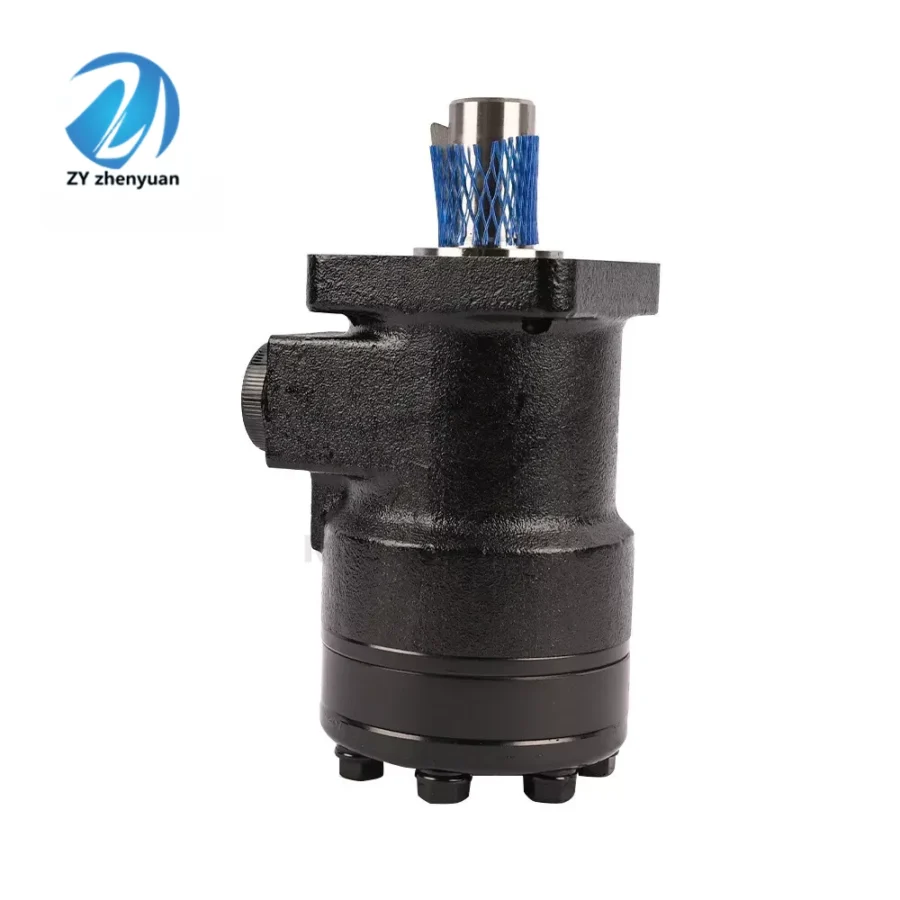
101-1008-007 Hydraulic Motor 101-1024-009

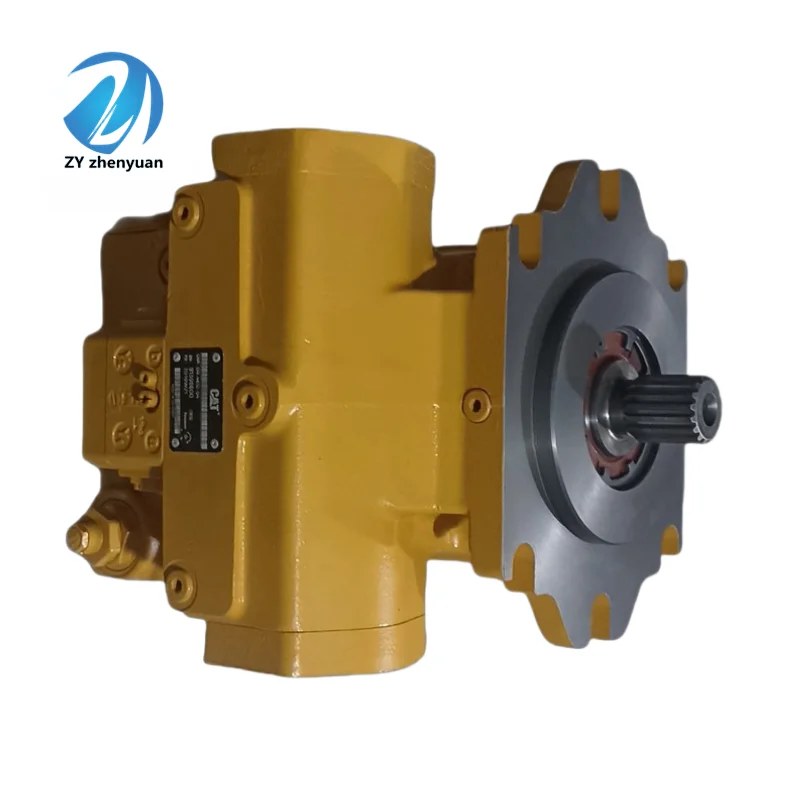
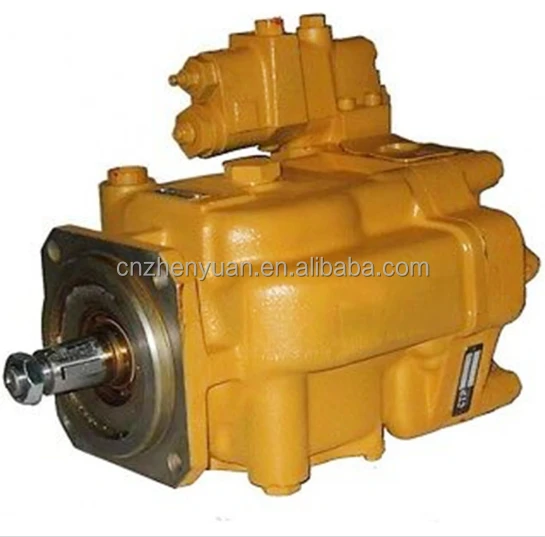
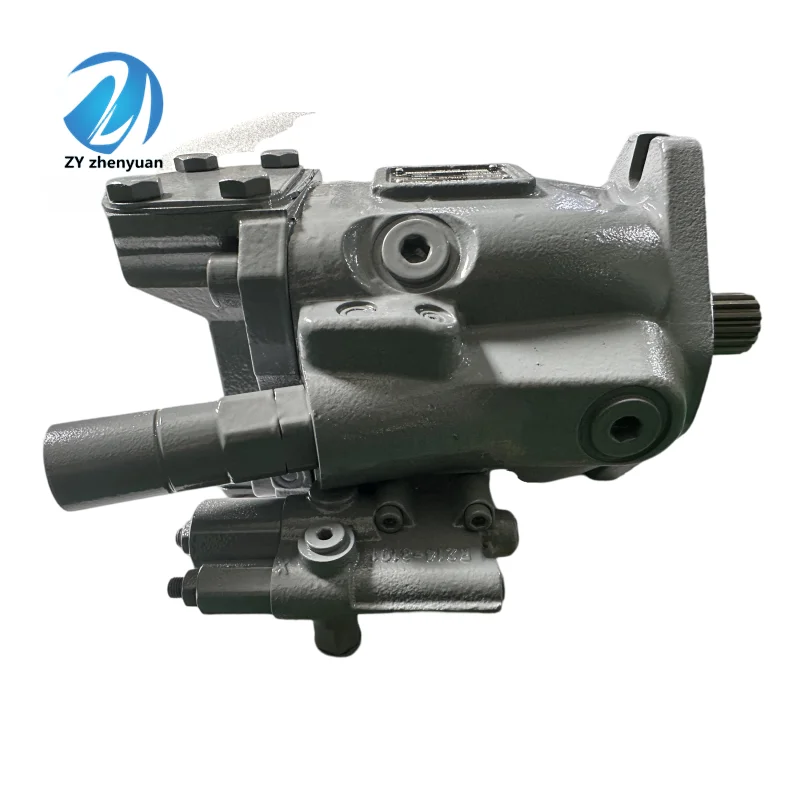
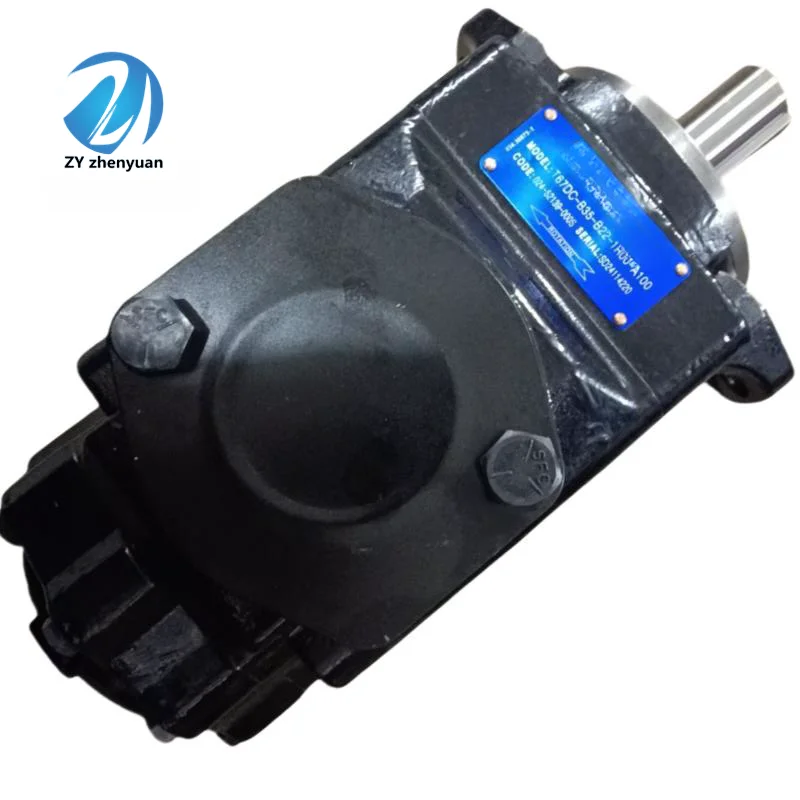
What is a Hydraulic Pump?
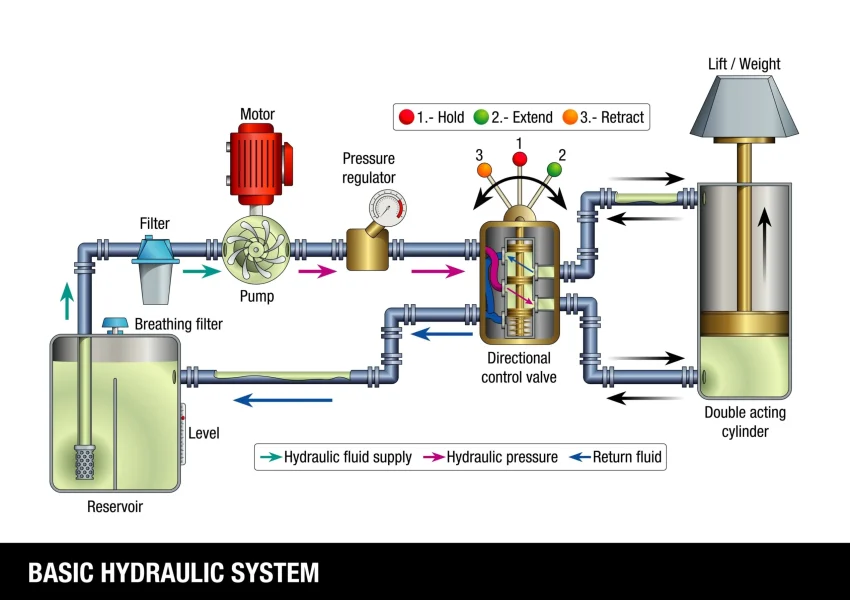
A hydraulic pump is a mechanical source of power that converts mechanical motion (from a motor or engine) into hydraulic energy (hydrostatic power, i.e., flow and pressure). It is the “heart” of any hydraulic system.
Its primary function is to take fluid from a reservoir and push it into the rest of the system. It’s a common misconception that pumps “create pressure.” In reality, pumps create flow; pressure only occurs when that flow meets resistance (such as a heavy load or a narrow valve).
How a Hydraulic Pump Works
Most hydraulic pumps operate on the principle of displacement.
Suction Phase: As the internal parts move (gears rotating or pistons retracting), they create an increasing volume at the pump’s inlet. This creates a vacuum, and atmospheric pressure forces fluid from the reservoir into the pump.
Pressure Phase: As the parts continue to move, the volume decreases, “squeezing” the fluid out through the outlet port and into the hydraulic circuit.
Types of Hydraulic Pump
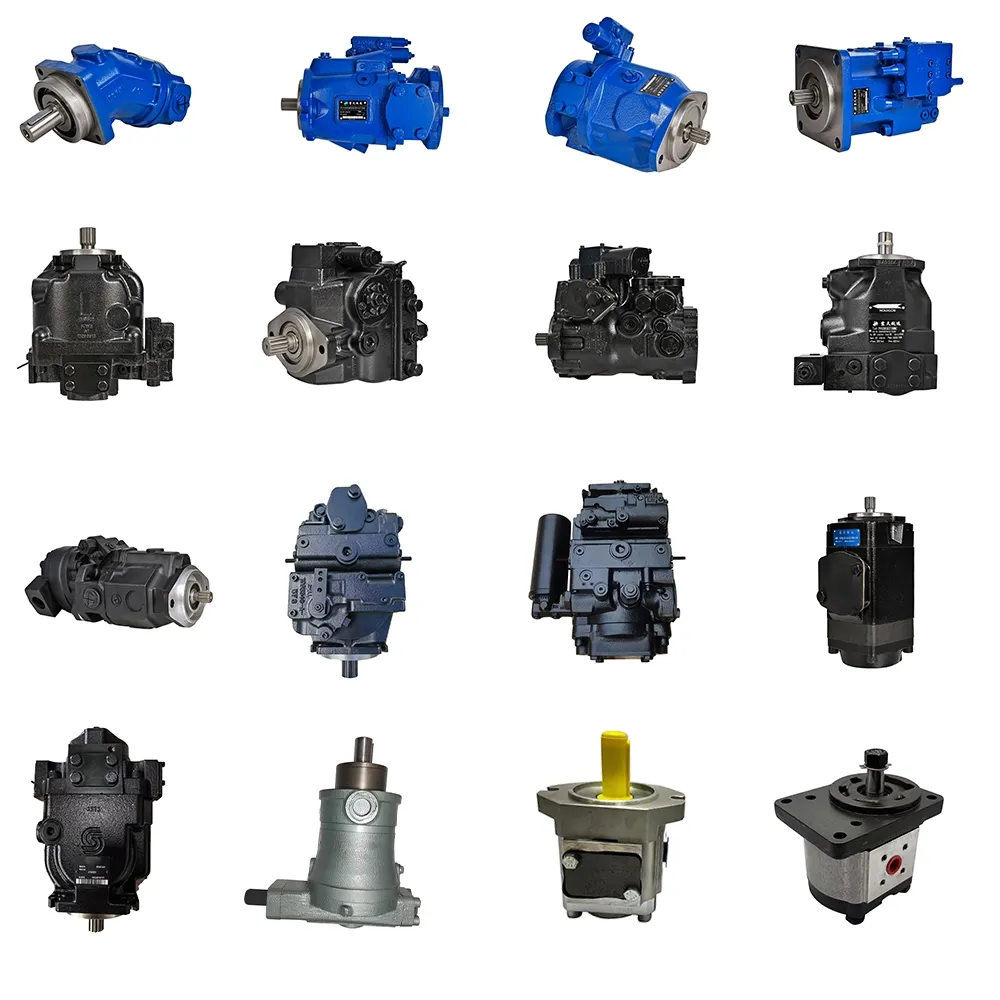
Hydraulic pumps can be mainly classified into three types based on their structure and working principle: gear pumps, vane pumps, and piston pumps.
Hydraulic Piston Pump
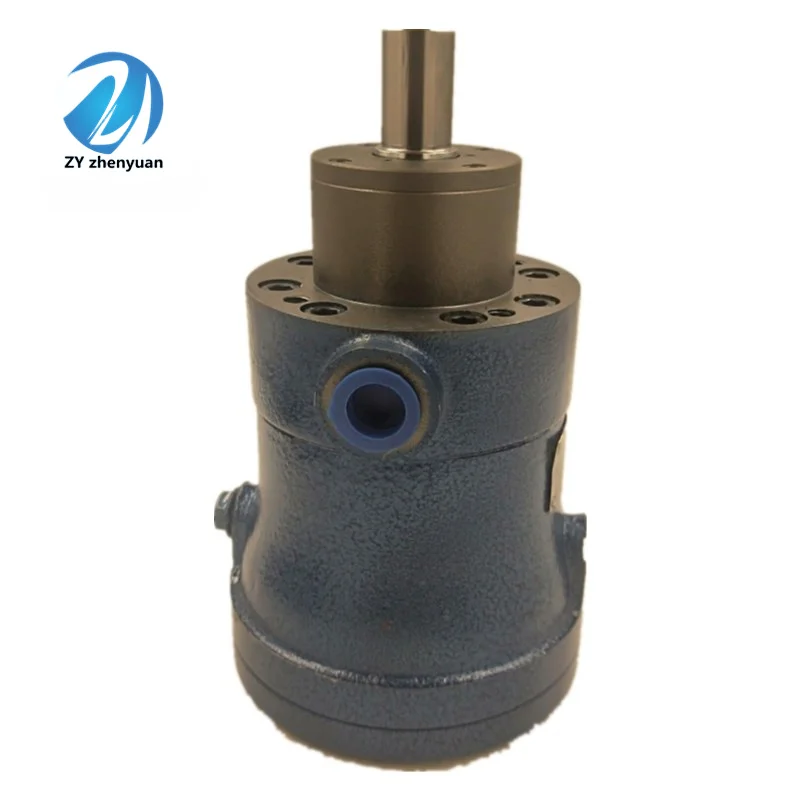
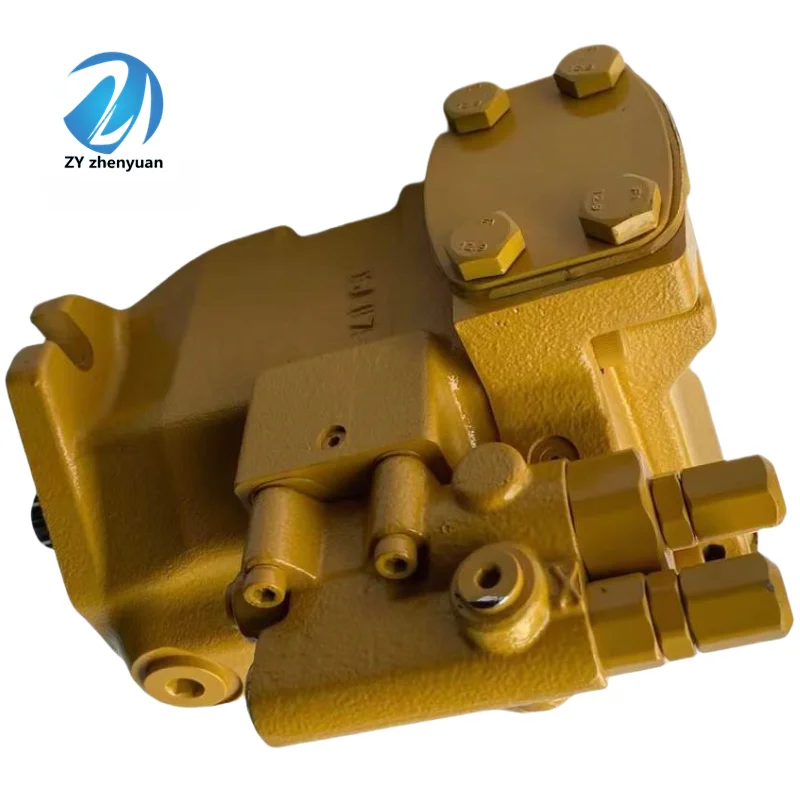
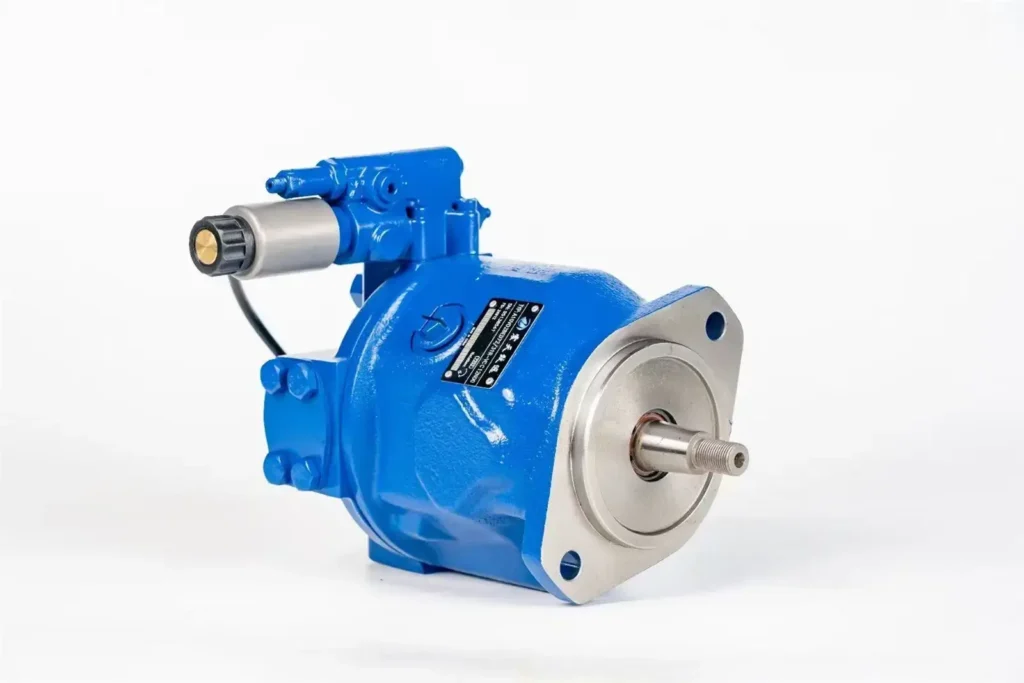
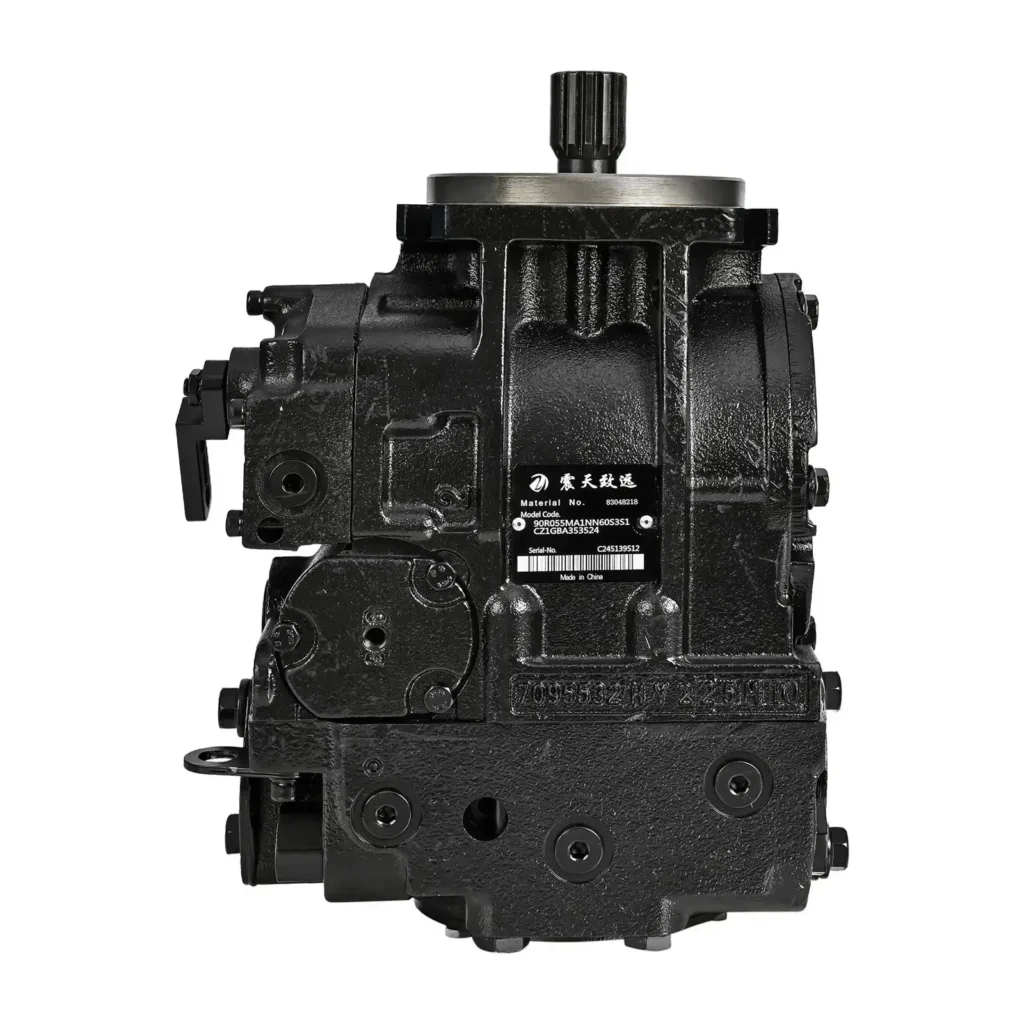
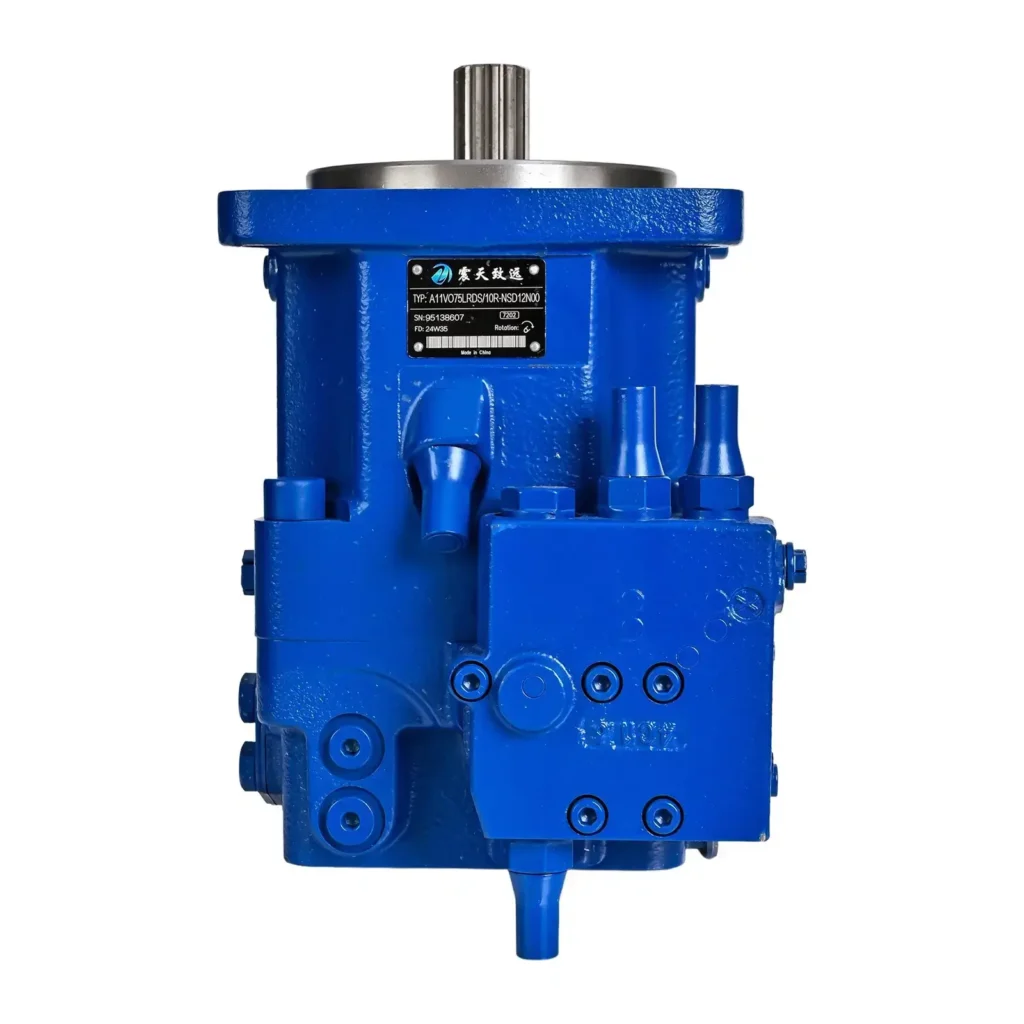
A hydraulic piston pump is a high-performance positive displacement pump, mainly divided into axial piston pumps and radial piston pumps. It is known for its high pressure capability, high efficiency, and reliable performance, and is widely used in construction machinery, industrial equipment, and high-pressure hydraulic systems.
1. Working Principle
The hydraulic piston pump operates through the reciprocating motion of pistons within a cylinder. When the piston moves outward, the chamber volume increases, creating a vacuum that draws in hydraulic fluid. When the piston moves inward, the volume decreases, compressing the fluid and forcing it out through the outlet, completing the energy conversion process.
During operation, a flow distribution mechanism (such as a valve plate) controls the intake and discharge of fluid, ensuring continuous and stable flow output.
2. Structural Features
A piston pump typically consists of key components such as a cylinder block, pistons, valve plate, and drive shaft. Its precise structure and tight tolerances help minimize leakage and improve volumetric efficiency. Some models also support variable displacement, allowing flexible adjustment based on system requirements.
3. Applications
Hydraulic piston pumps are widely used in excavators, lifting equipment, mining machinery, marine systems, and industrial automation, serving as a key power component in high-pressure hydraulic systems.
4. Advantages
Hydraulic piston pumps play a critical role in various hydraulic systems due to their superior performance. Compared with other types of hydraulic pumps, they offer clear advantages in pressure capability, efficiency, and controllability.
Firstly, the precise sealing between the piston and cylinder forms a highly efficient working chamber, minimizing internal leakage and ensuring stable performance even under high-pressure conditions.
Secondly, the pump displacement can be easily adjusted by changing the piston stroke or swash plate angle, allowing accurate control of flow, which is ideal for applications requiring precise system regulation.
In addition, the main components of a piston pump are primarily subjected to compressive loads, resulting in a robust structure that enhances durability and ensures reliable operation under heavy-duty conditions.
Hydraulic Vane Pump
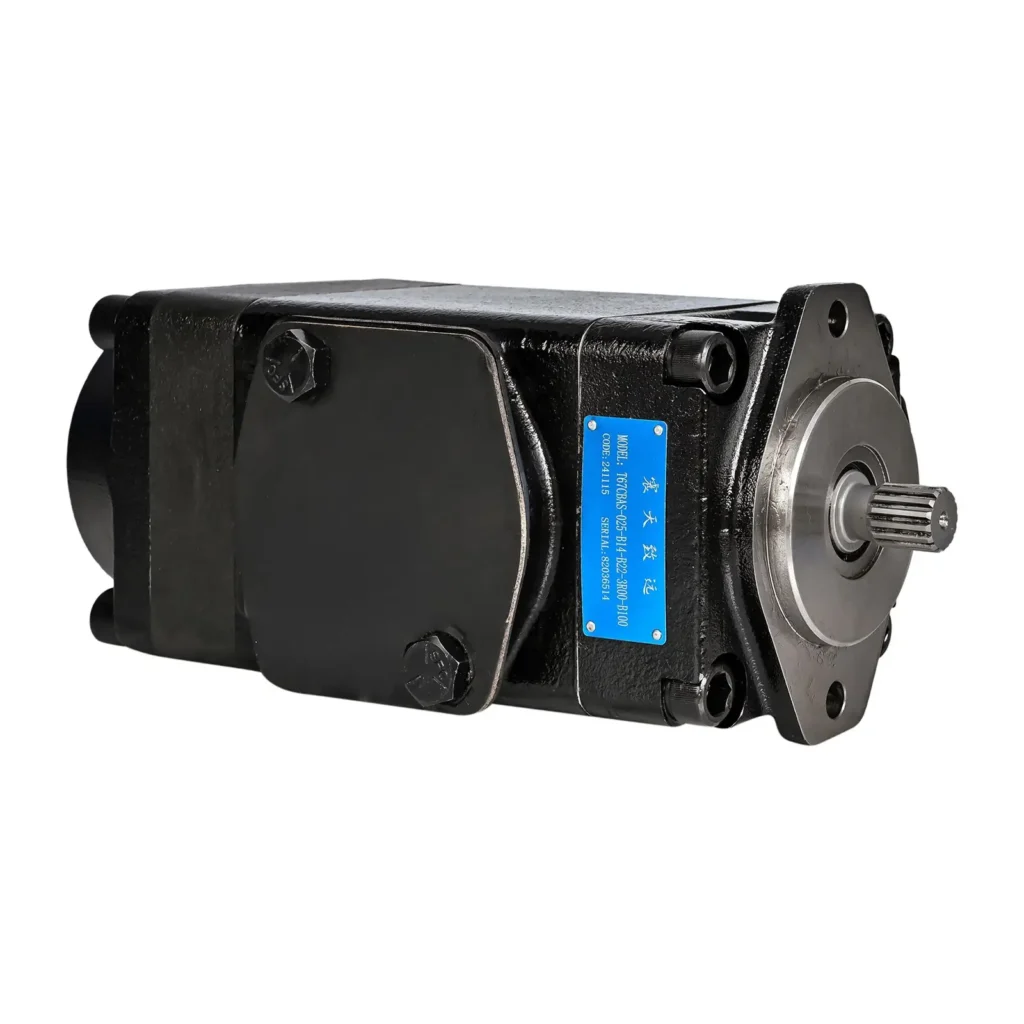
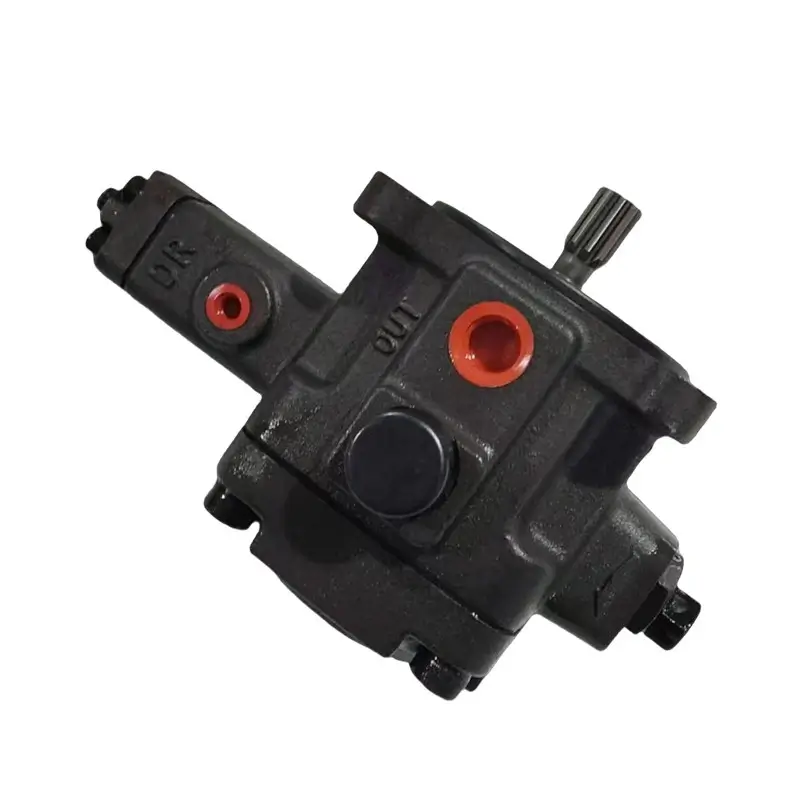
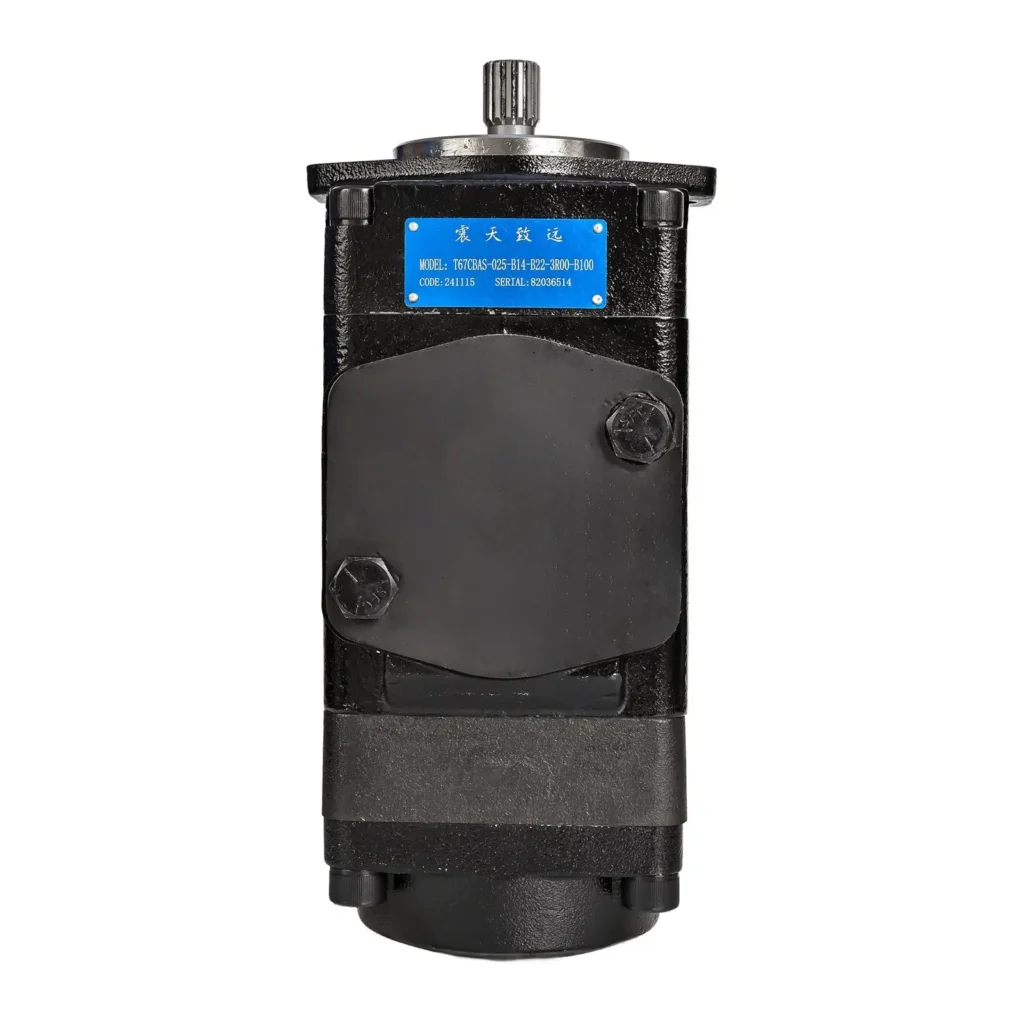
A hydraulic vane pump is a type of positive displacement pump that uses sliding vanes within a rotor to change the volume of sealed chambers, enabling fluid suction and discharge. It features smooth operation and low noise, and is mainly divided into single-acting (variable displacement) and double-acting (fixed displacement) vane pumps. It is widely used in medium-pressure hydraulic systems.
1. Working Principle
During operation, the rotor rotates and the vanes extend outward under centrifugal force and hydraulic pressure, maintaining contact with the inner surface of the stator. This creates multiple sealed chambers whose volumes change continuously: as the volume increases, fluid is drawn in; as it decreases, fluid is discharged, enabling continuous pumping.
Single-acting vane pump:
The rotor is eccentrically positioned relative to the stator, so each rotation completes one suction and one discharge cycle. The displacement can be adjusted by changing the eccentricity, making it a variable pump. However, it experiences unbalanced radial forces, resulting in higher bearing loads.
Double-acting vane pump:
The rotor and stator are concentric, and the stator profile allows each chamber to complete two suction and discharge cycles per rotation. The symmetrical structure ensures balanced forces and smoother operation, typically used for fixed displacement applications.
Operation and Maintenance Guidelines
To ensure stable performance and extend service life, the following points should be considered:
1. Maintain correct rotation direction
Most vane pumps are designed for one-way rotation. Reversing the direction may affect performance or cause damage.
2. Proper installation and assembly
Key components such as the rotor, vanes, and valve plate must be installed in the correct orientation to avoid abnormal operation.
3. Keep the system clean
Hydraulic oil should be properly filtered to prevent contaminants from affecting vane movement and sealing performance.
4. Control clearances properly
The clearance between vanes and slots should be appropriate. Excessive clearance increases leakage, while insufficient clearance restricts vane movement.
5. Monitor oil condition
Maintain proper oil temperature and viscosity to ensure efficient operation and prevent premature wear.
6. Avoid improper operating conditions
Prevent dry running, overloading, and poor suction conditions, as these can significantly reduce pump
Hydraulic Gear Pump
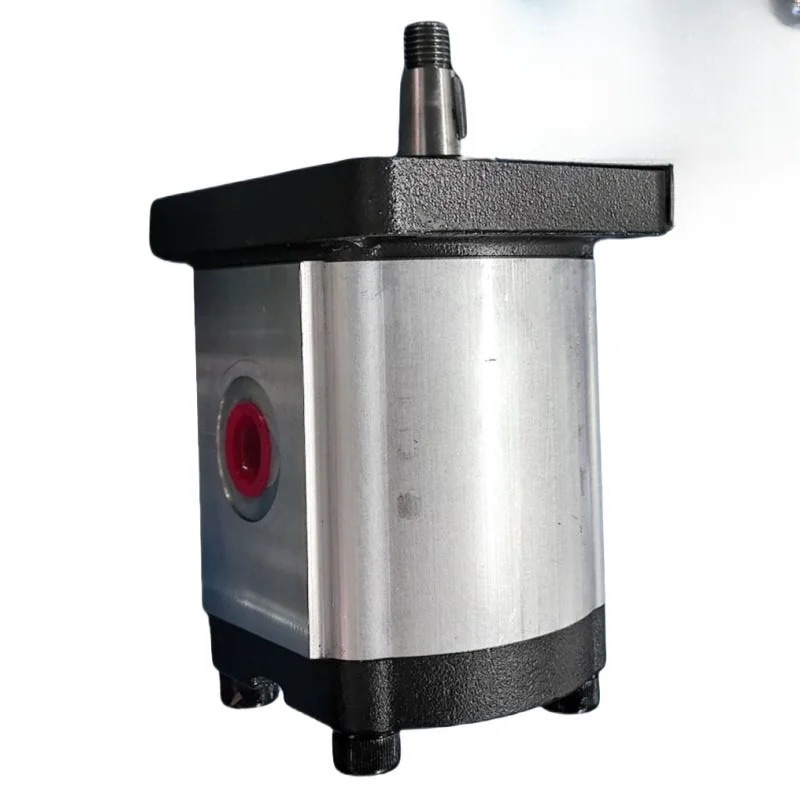
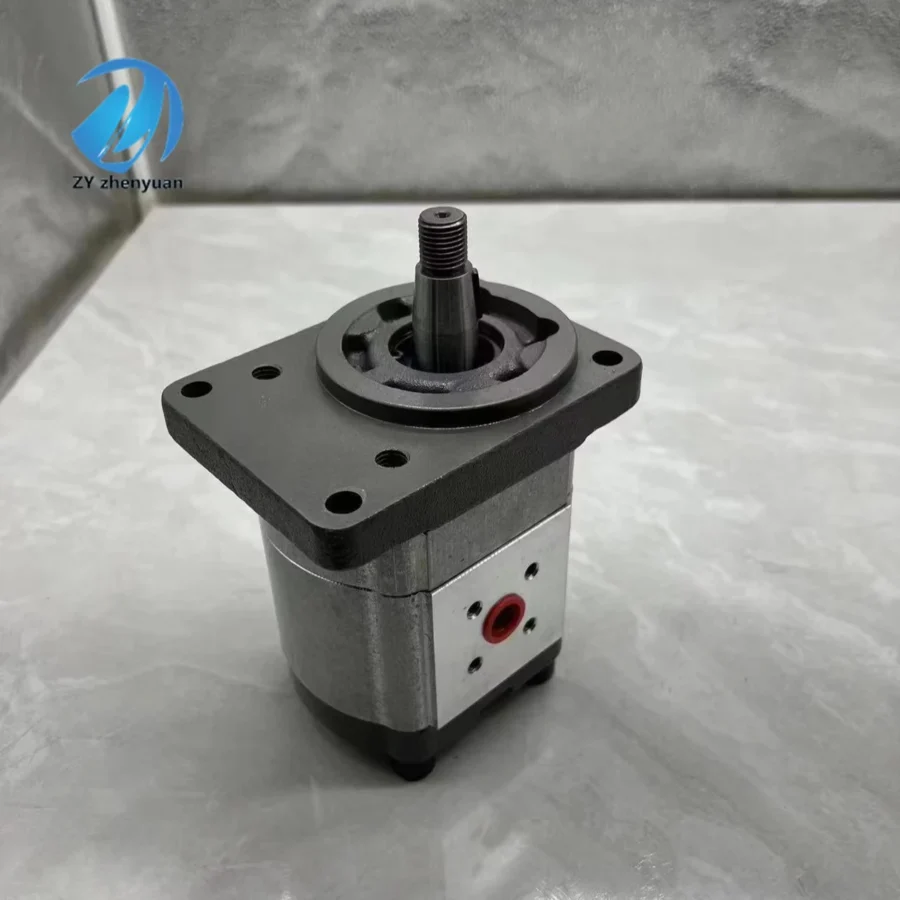
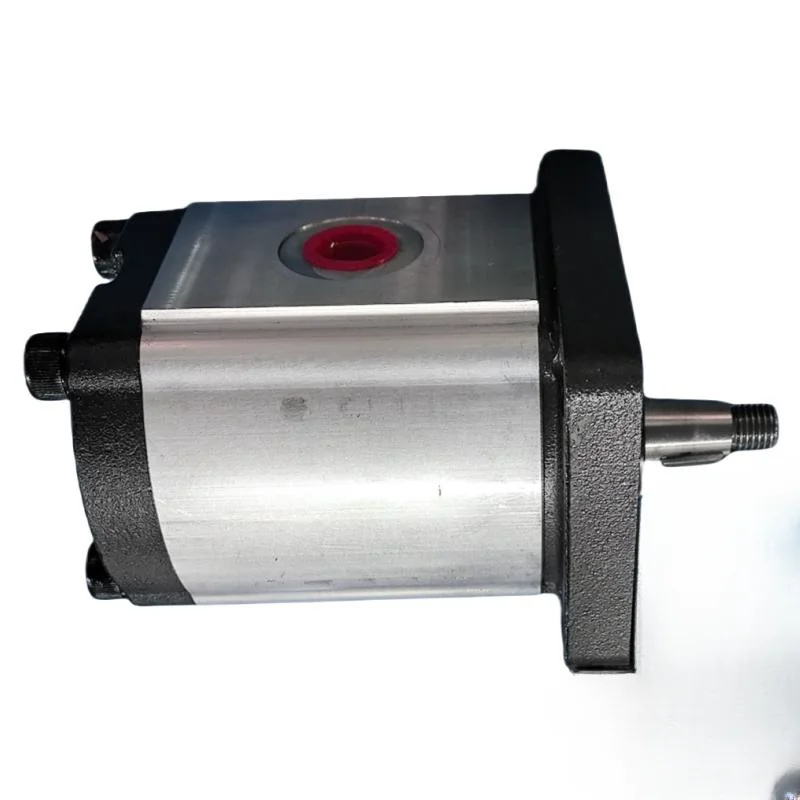
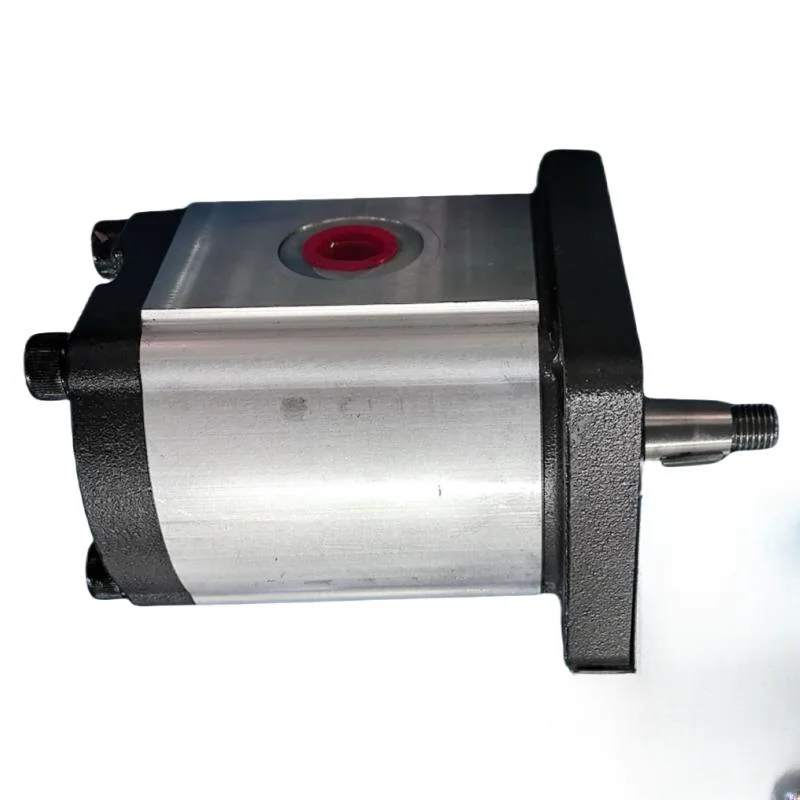
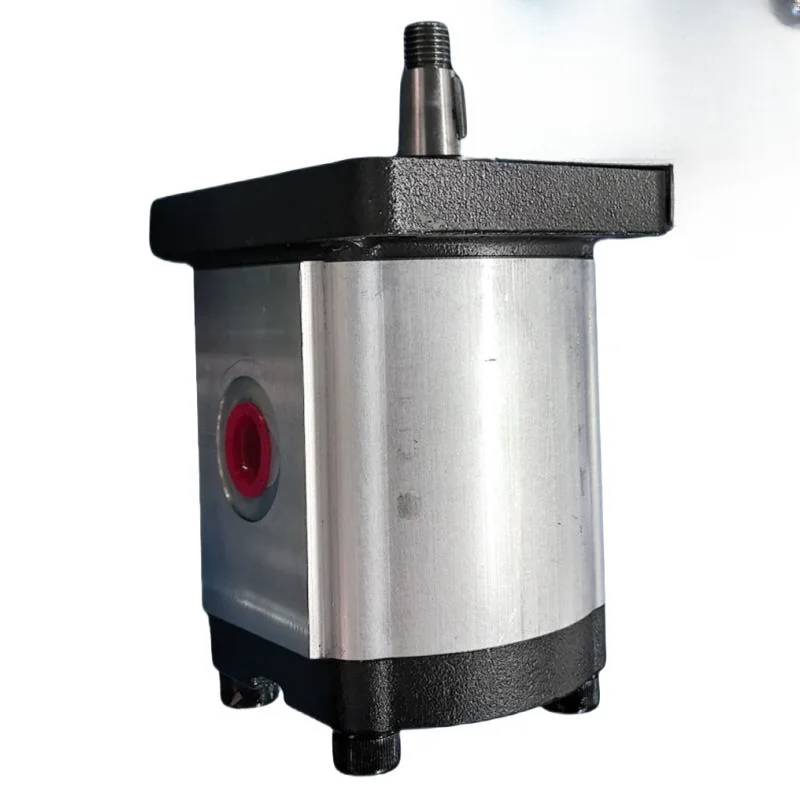
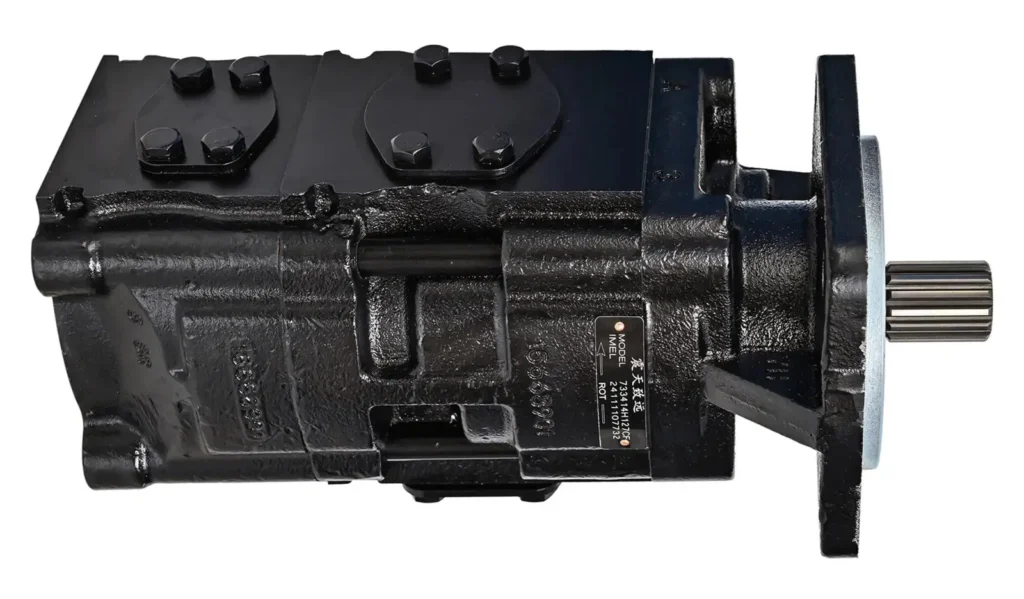
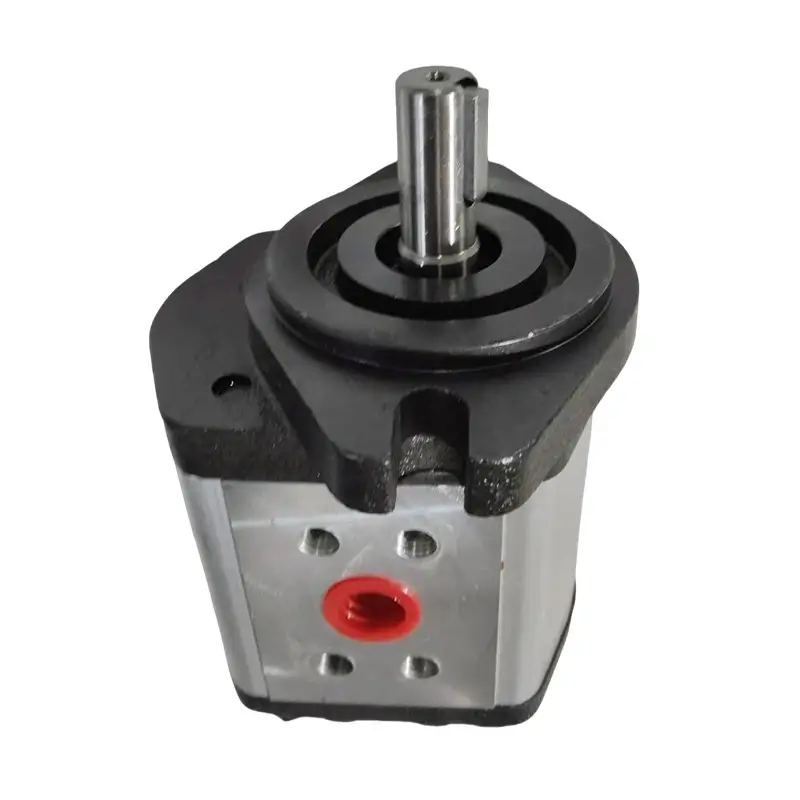
A hydraulic gear pump is a widely used positive displacement pump known for its simple structure, compact size, and strong durability. Although it may produce some pressure pulsation during operation, it offers high reliability. Based on design, it is mainly divided into external gear pumps and internal gear pumps, with the external type being more commonly used.
1. Working Principle
A gear pump operates by using a pair of meshing gears rotating inside a housing to transfer fluid. As the gears rotate, they separate at the inlet side, creating a low-pressure area that draws hydraulic fluid into the spaces between the gear teeth.
The fluid is then carried along the inner wall of the housing toward the outlet. At the discharge side, the gears mesh again, reducing the volume between the teeth and forcing the fluid out. Since the fluid is incompressible, this continuous meshing action ensures a steady flow output.
The flow rate of a gear pump is directly proportional to its rotational speed. While small internal clearances may cause minor leakage, they also provide lubrication, contributing to long-term stable operation.
2.Advantages
Due to its structural characteristics, the hydraulic gear pump offers several practical benefits:
Compact design
Simple and space-saving structure, ideal for installations with limited space.
Reliable operation
Fewer components and robust construction ensure stable performance even in harsh conditions.
Strong self-priming ability
Capable of drawing fluid efficiently during startup.
High adaptability
Less sensitive to oil contamination, suitable for various working environments.
Easy maintenance
Simple structure allows for convenient servicing and low maintenance costs.
Wide speed range
Can operate effectively across different speed conditions to meet diverse system requirements.
FAQs
1. What is a hydraulic pump?
2. What are the main types of hydraulic pumps?
3. How does a hydraulic pump work?
4. What is the difference between a hydraulic pump and a hydraulic motor?
5. How do I choose the right hydraulic pump?
6. What causes hydraulic pump failure?
7. How can I extend the life of a hydraulic pump?
8. What is cavitation in a hydraulic pump?
9. Can hydraulic pumps be repaired?
10. What industries use hydraulic pumps?
Shoot Us An Email
Professional Manufacturer