

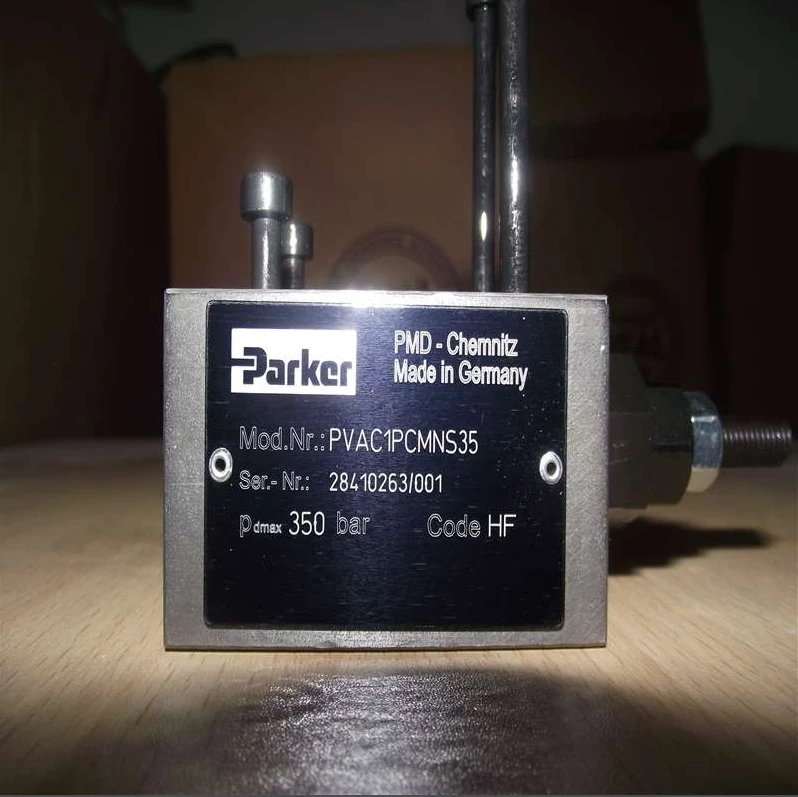
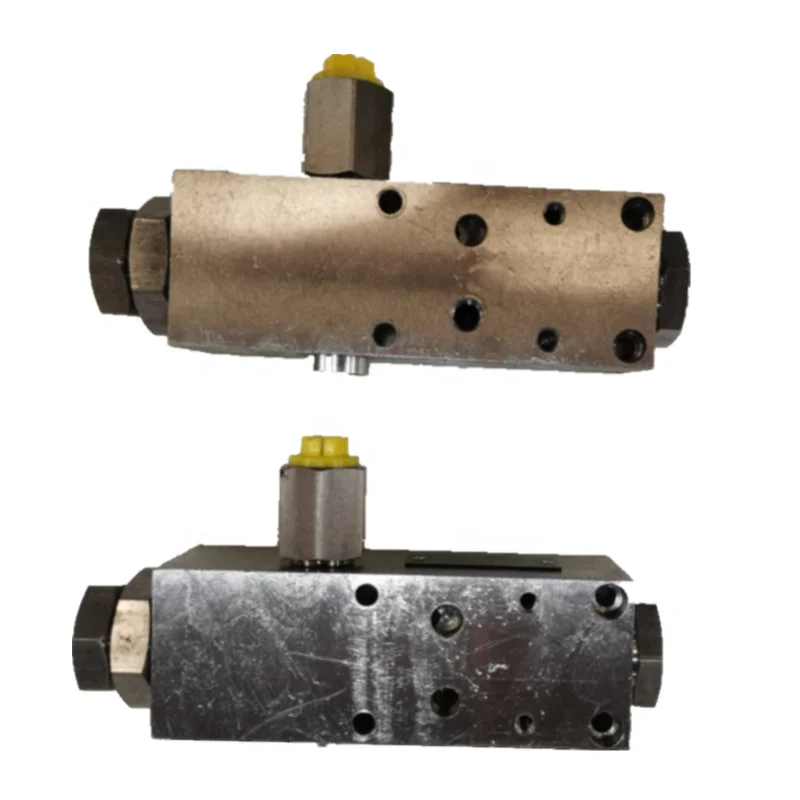


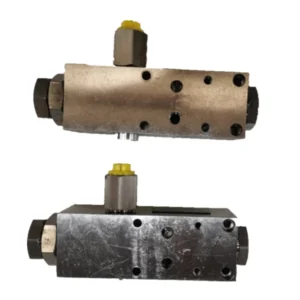
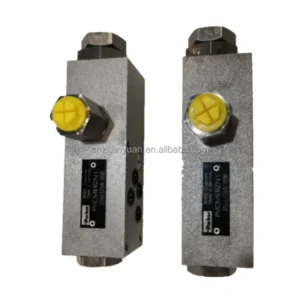
LIC Hydraulic is a specialized provider of the Parker PVAC, PVCL, and PVCF Series, the core control components for sophisticated hydraulic power systems. These pressure regulating valves, including models PVAC1PCMNS35-U and PVAC2MCMNSJW35, are primarily utilized as pilot control units for Parker PV Series axial piston pumps. By managing the pilot signal to the pump’s compensator, the PVAC series ensures high-precision control of system pressure and flow. Built to Parker’s rigorous industrial standards, these valves are essential for applications requiring stable, repeatable, and fast-acting hydraulic regulation.
Technical Specifications (Bulleted List)
Series Compatibility: Designed for Parker PV016, PV032, PV046, PV063, PV080, PV092, PV140, PV180, and PV270 pumps.
Max Control Pressure: Up to $350\text{ bar}$ ($5000\text{ PSI}$).
Functionality: Remote pressure compensation, load sensing (PVCL), and power limiting (PVCF).
Adjustment Types: Manual hex screw, hand knob, or proportional electronic pilot options.
Mounting: Direct-mount interface on pump control blocks.
Key Technical Advantages
Dynamic Response: The PVAC series is engineered for low hysteresis and high dynamic response, allowing hydraulic systems to react instantly to changes in load demand.
Reduced System Complexity: By integrating pressure control directly into the pump’s pilot circuit, the need for bulky external relief valves is reduced.
Industrial Durability: Featuring heavy-duty steel internals and corrosion-resistant coatings, these valves are built for longevity in high-vibration and high-cycle industrial machinery.
Energy Efficiency: When used as a Load Sensing control (PVCL), it minimizes energy loss by ensuring the pump only delivers the pressure and flow required by the load.
Application Areas
Metal Forming: Precise pressure management in hydraulic stamping and bending machines.
Injection Molding: Optimizing the clamping and injection pressure cycles for thermoplastic production.
Heavy HPUs: Providing the logic for centralized hydraulic systems in steel mills and shipyards.
Expert Maintenance Tips
Orifice Maintenance: If the pump fails to reach pressure, the pilot orifice within the PVAC valve may be clogged. Careful cleaning with compressed air and solvent is often the primary fix.
Avoid Over-Tightening: When adjusting the PVAC1PCMNS35-U, do not force the adjustment screw beyond its mechanical stops, as this can damage the internal spring seat.
System Bleeding: Ensure the pilot lines are properly bled during commissioning. Air in the pilot circuit is the most common cause of “spongy” control or pressure fluctuations.