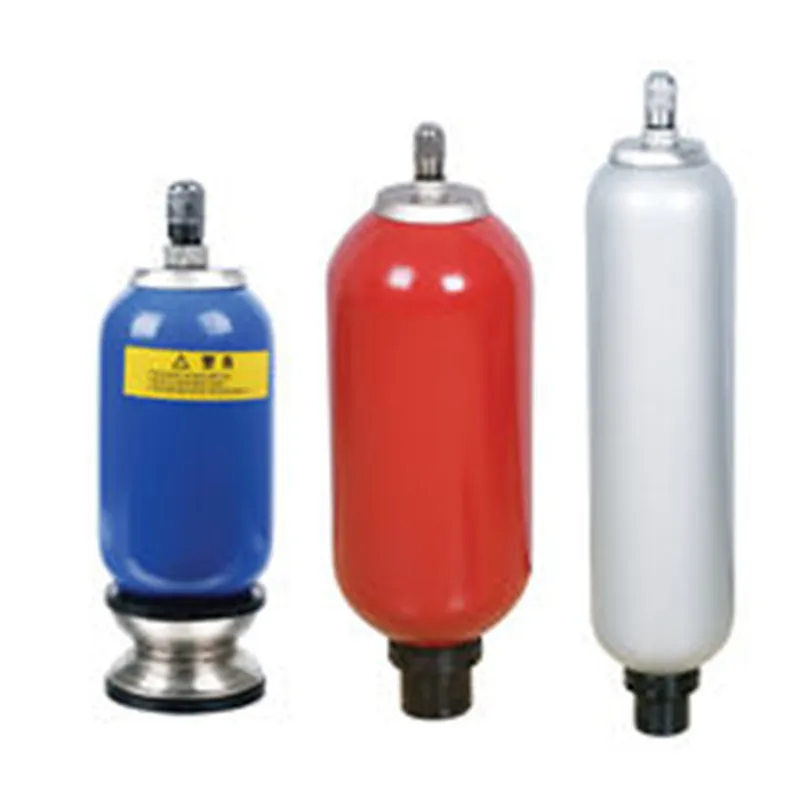
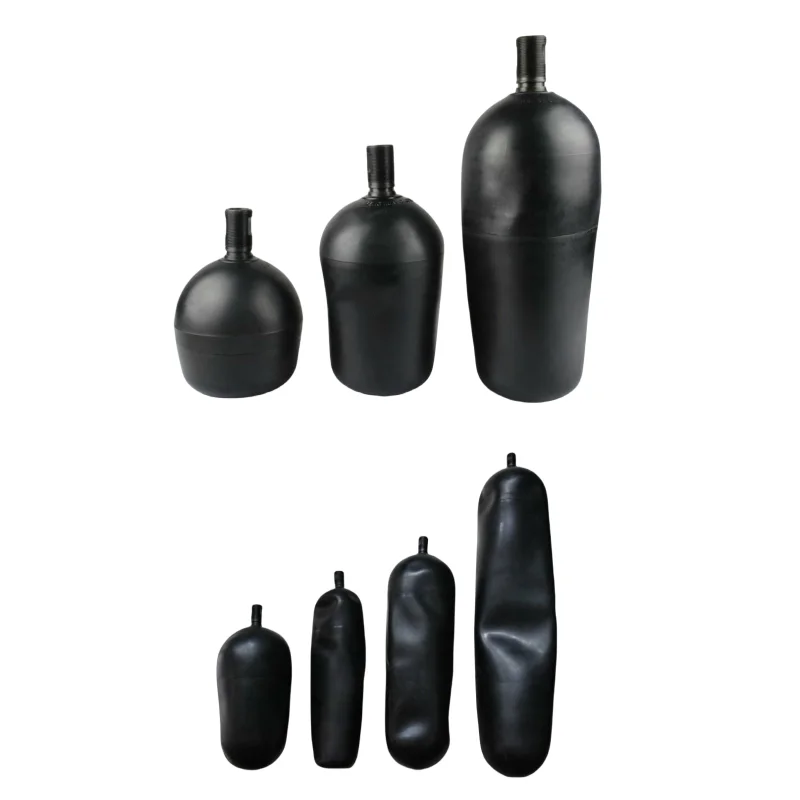
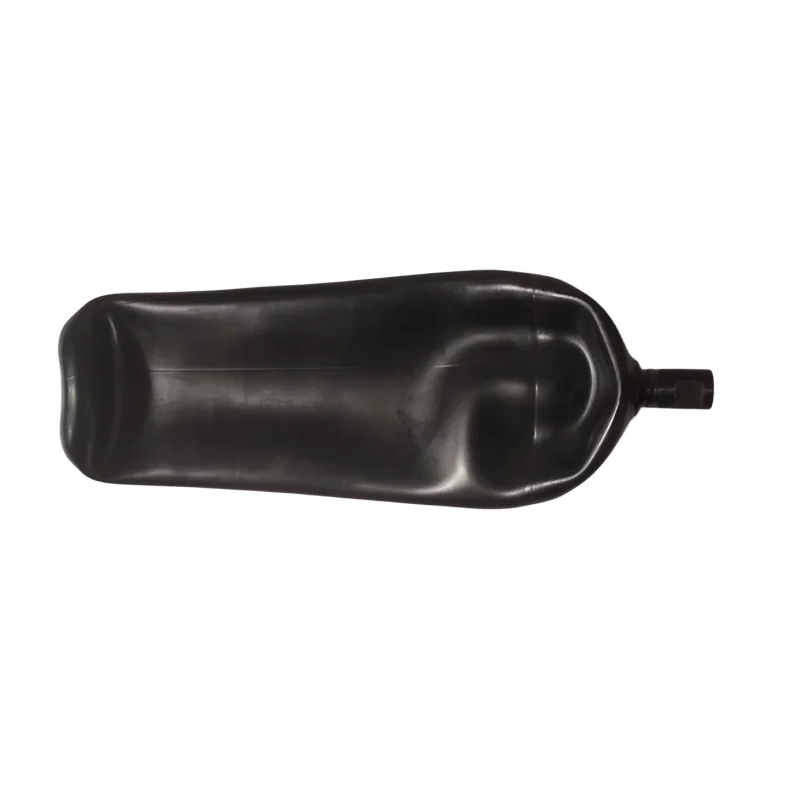
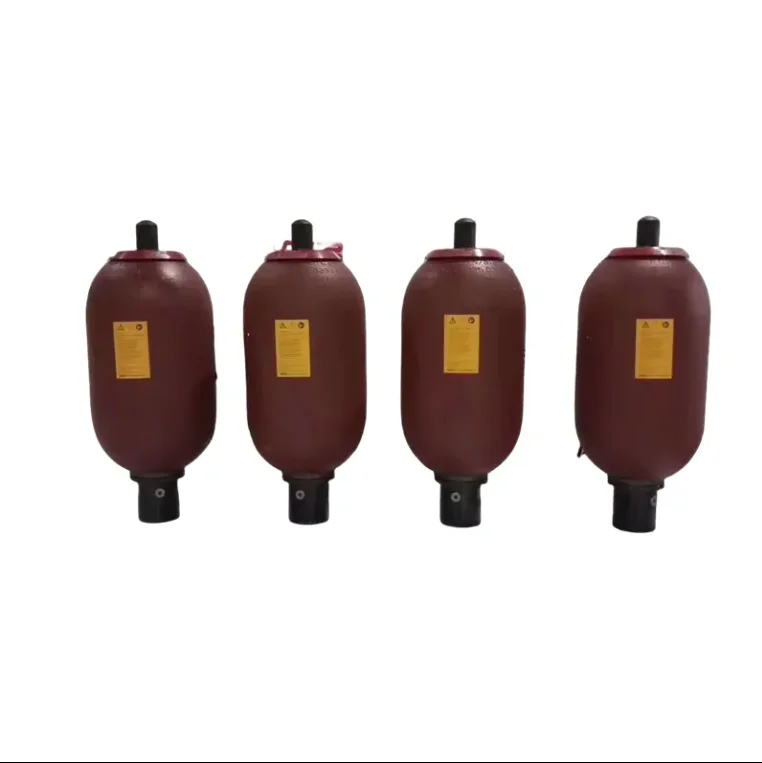
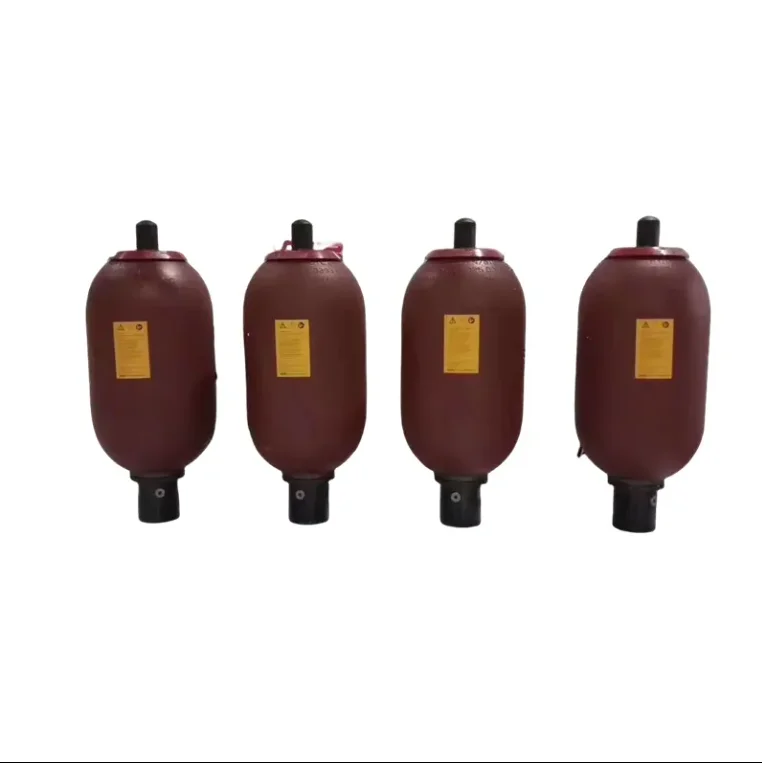
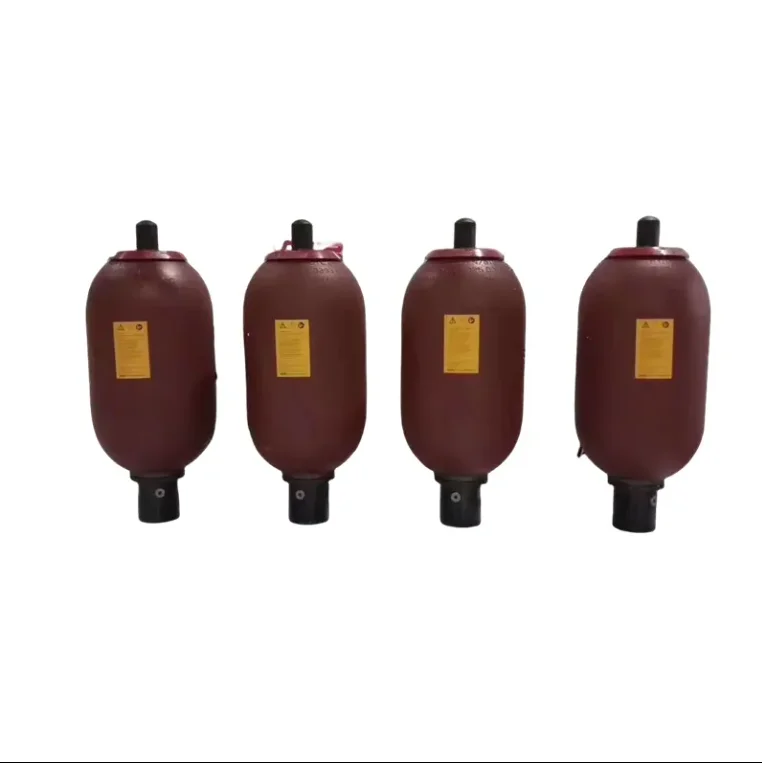
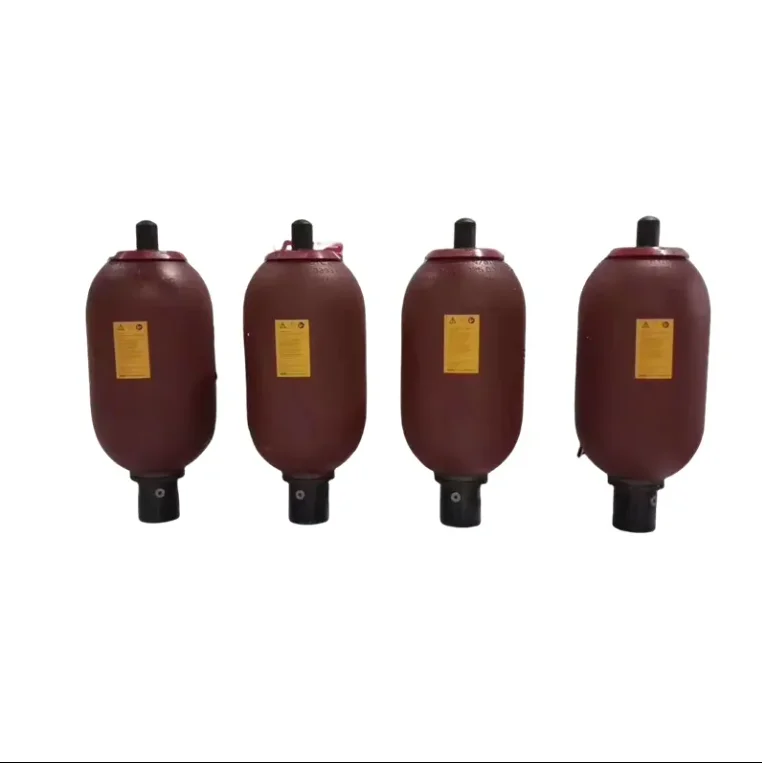
A hydraulic accumulator is a critical component designed to store and release hydraulic energy. It works by compressing a medium—typically nitrogen gas—or using mechanical force to store energy under pressure and release it when required. In modern hydraulic systems, accumulators play a vital role in improving efficiency, stabilizing pressure, and protecting system components.
01. Core Functions
Energy Storage and Release:
Stores excess energy when system pressure is high and releases it when demand increases or pressure drops.
Flow Compensation:
Provides additional flow during peak demand, reducing the load on the main pump and improving response speed.
Pressure Stabilization:
Minimizes pressure fluctuations caused by load changes, ensuring smoother system operation.
Shock and Pulsation Absorption:
Dampens hydraulic shocks and pressure spikes, reducing vibration, noise, and component wear.
02. Working Principle
Gas-Charged Accumulator (Most Common):
Uses the compressibility of gas. When system pressure exceeds pre-charge pressure, fluid enters and compresses the gas; when pressure drops, the gas expands and pushes fluid back into the system.
Other Types:
Spring-loaded and weight-loaded accumulators store energy mechanically, though they are less commonly used.
03. Typical Applications
Auxiliary Power Supply:
Supports high-flow demand in machines like injection molding equipment and construction machinery.
Pressure Holding & Leakage Compensation:
Maintains system pressure and compensates for minor leaks.
Shock Absorption & Protection:
Protects pipelines and components in high-impact systems.
Emergency Power Source:
Provides temporary power during system failure or shutdown.
04. Key Parameters & Selection
Pre-charge Pressure:
Typically set at 70%–90% of minimum system pressure, affecting performance and lifespan.
Volume & Flow Matching:
Should align with system demand for optimal efficiency.
Operating Pressure Range:
Must match system requirements with a safety margin.
Fluid Compatibility:
Seal materials must suit the hydraulic fluid and operating temperature.
05. Maintenance Guidelines
Regular Gas Pressure Check:
Ensure proper pre-charge to maintain performance.
Maintain Oil Cleanliness:
Contamination accelerates wear and reduces reliability.
Avoid Extreme Conditions:
Excessive heat, pressure, or shock reduces lifespan.
Ensure Safe Operation:
Always release system pressure before maintenance.