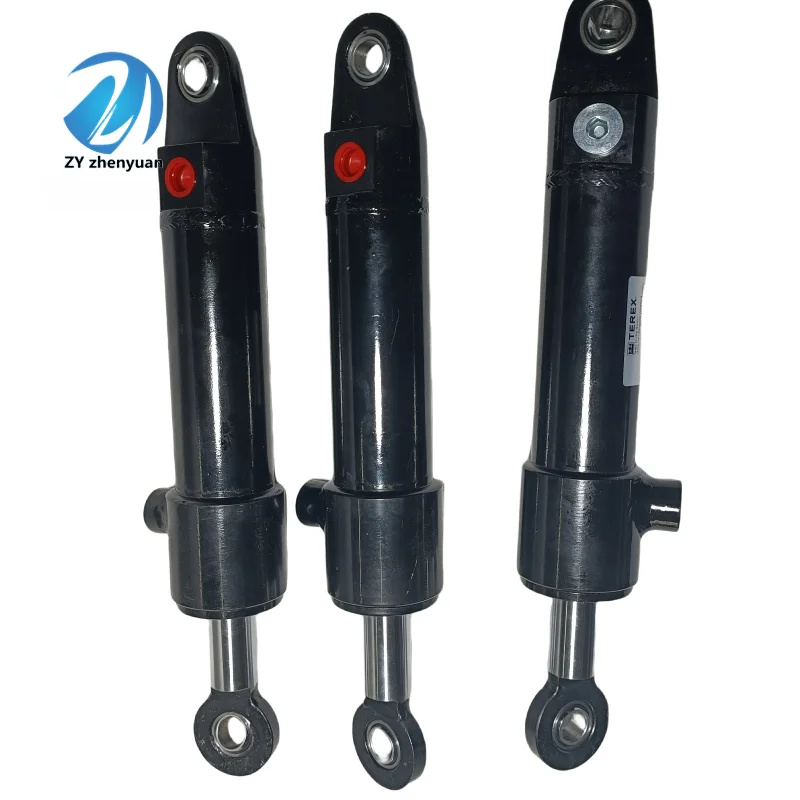
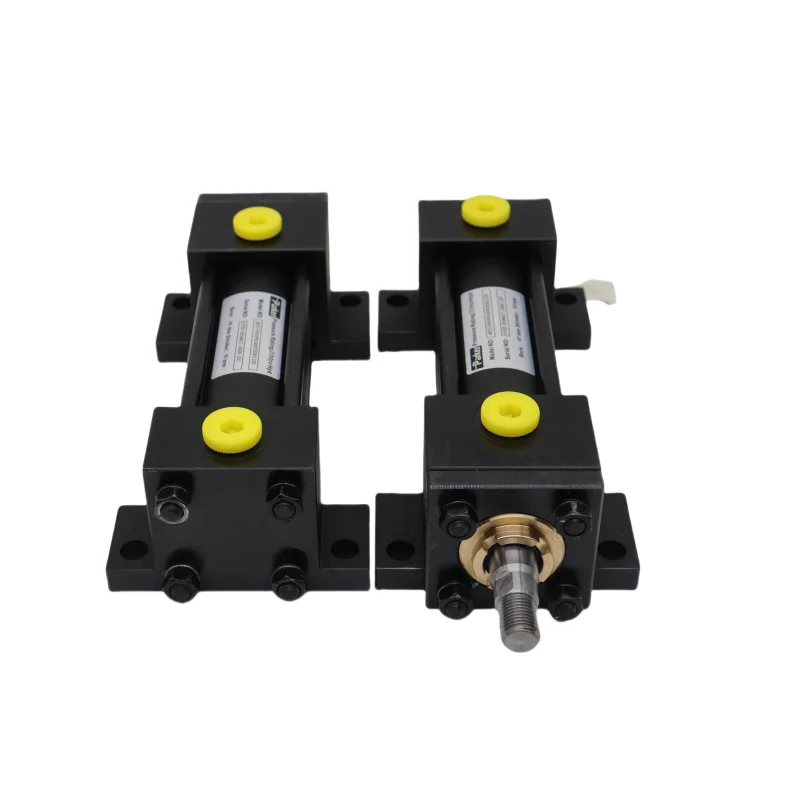
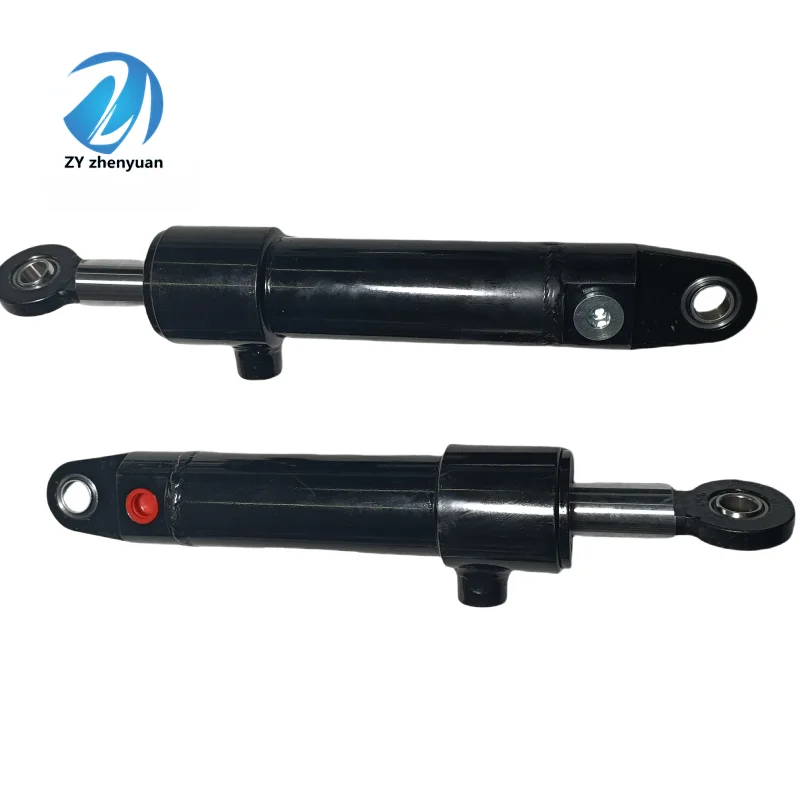
1. Core Definition and Operational Logic
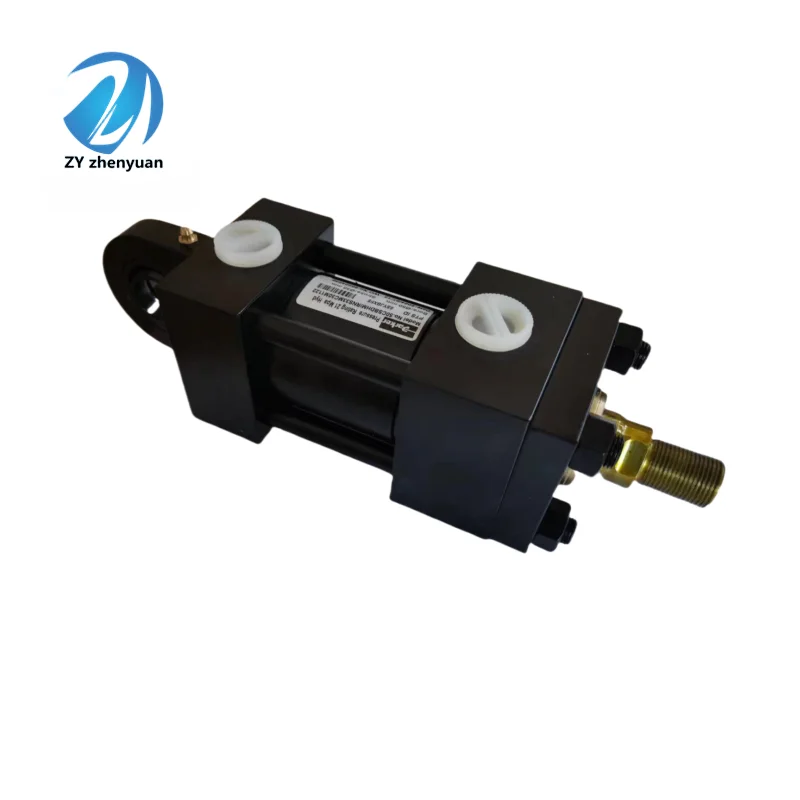
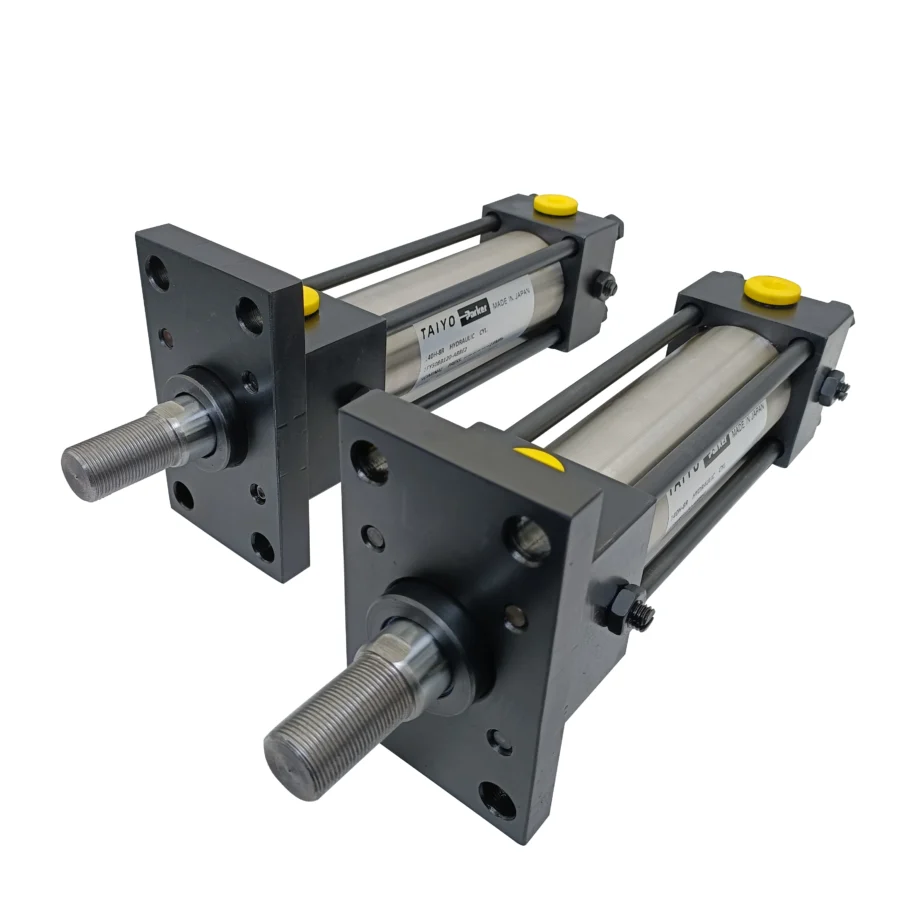
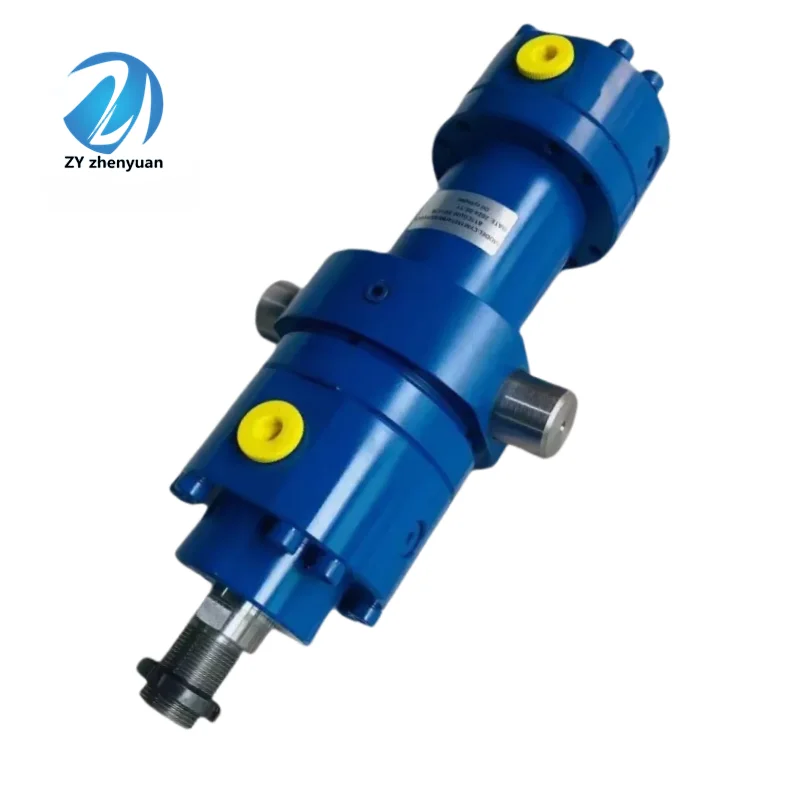
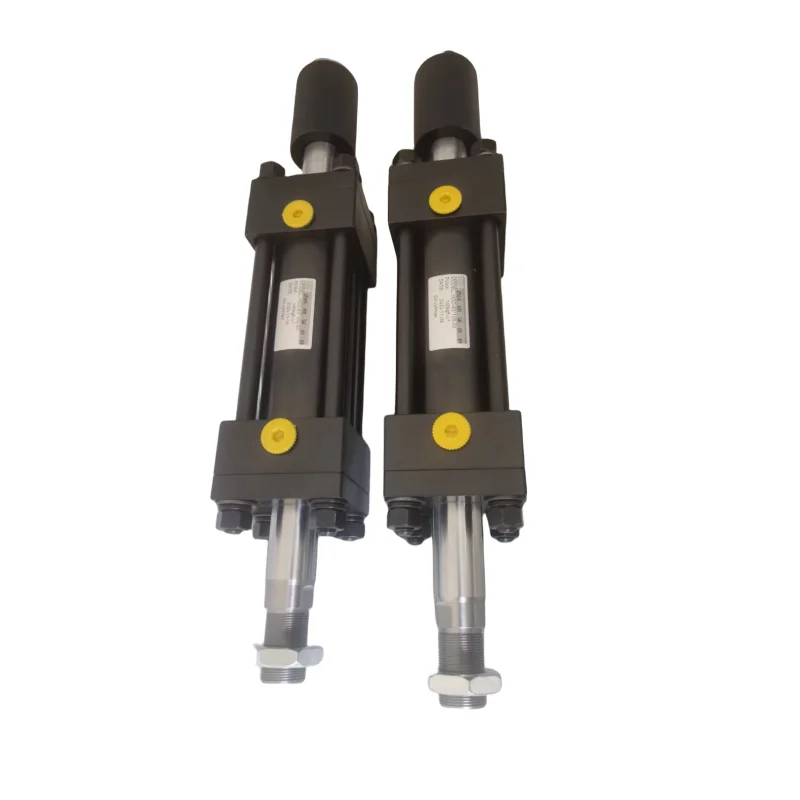
A hydraulic cylinder is the actuator of a hydraulic system. It serves as the “muscles,” converting hydraulic energy back into mechanical energy. By directing high-pressure fluid against a piston or plunger, it generates massive linear force or reciprocating motion. The fundamental principle is expressed as $F = P \times A$ (Force = Pressure × Piston Area).
2. Structural Anatomy and Key Components
A high-performance hydraulic cylinder is a precision-engineered assembly:
Cylinder Barrel & Head: The primary pressure vessel designed to withstand extreme internal stress.
Piston Rod: Typically forged from high-strength alloy steel, featuring hard chrome plating and polishing for superior wear and corrosion resistance.
Sealing System: Comprising primary seals, wipers, and wear rings, it is critical for preventing both internal bypass and external leakage.
Cushioning Device: Designed to decelerate the piston at the stroke ends to prevent mechanical impact damage.
3. Engineering Classification
Single-acting vs. Double-acting: Single-acting cylinders rely on oil pressure for one direction (return by gravity or springs), while double-acting cylinders utilize oil on both sides for controlled extension and retraction.
Telescopic Cylinders: Multi-stage cylinders that provide an exceptionally long stroke from a compact collapsed length (standard in dump trucks).
Servo/Digital Cylinders: Integrated with displacement sensors or electronic controllers for micrometer-level precision in position and velocity control.
4. Performance Advantages and Technical Boundaries
Advantages: Exceptional power-to-weight ratio (tonnes of force from a compact frame), smooth motion, and inherent overload protection.
Limitations: High sensitivity to fluid contamination, inevitable aging of polymer seals, and challenges in maintaining absolute synchronization over long distances due to fluid compressibility.