

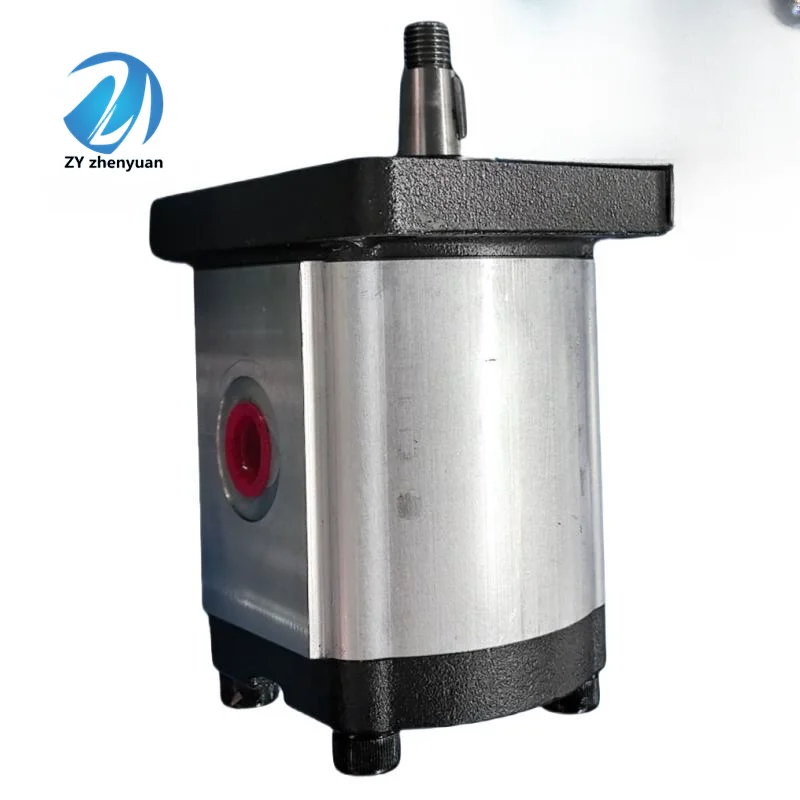
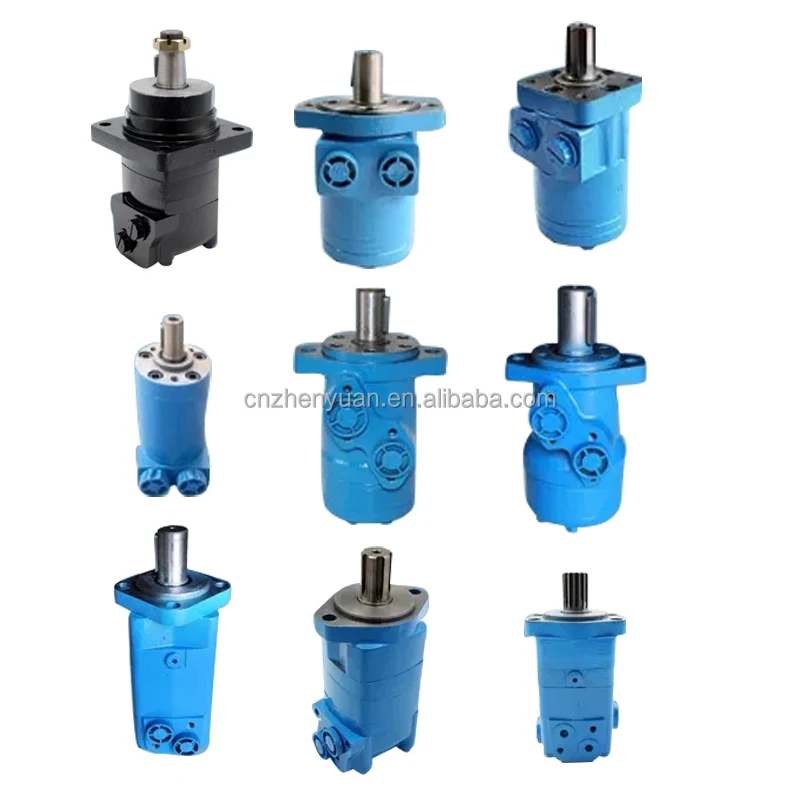


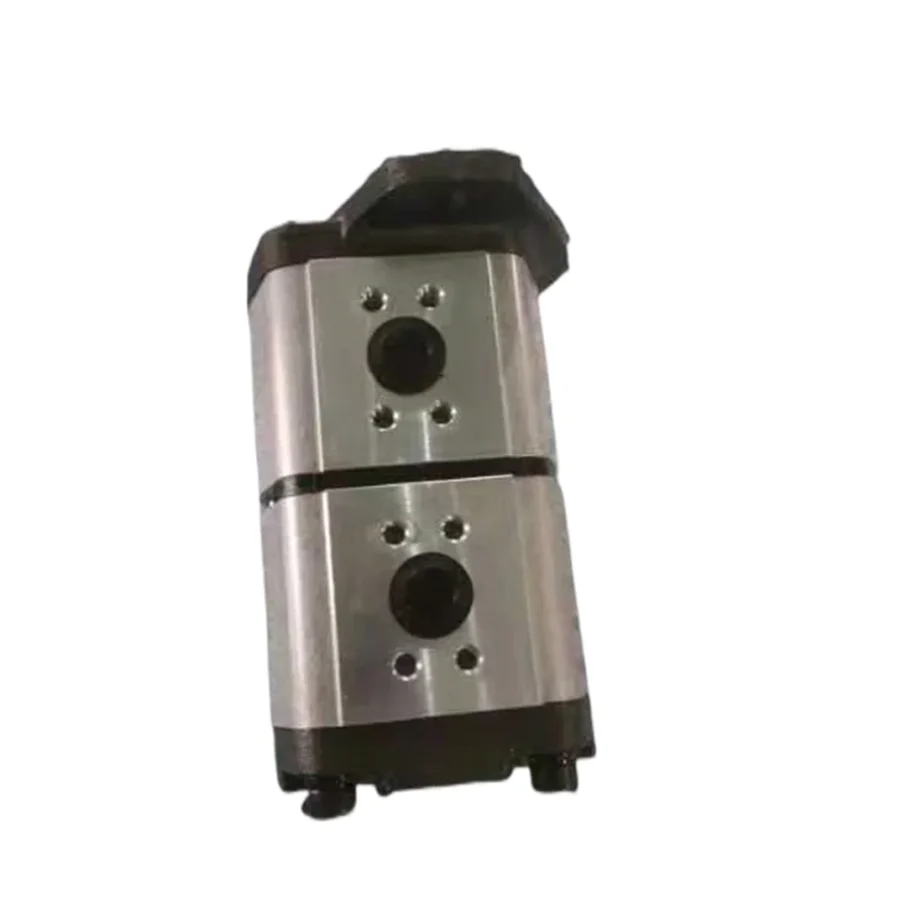
Hydraulic motors are available in several series, such as gear motors, vane motors, and piston motors. Each series includes multiple models, and the appropriate model can be selected based on factors such as flow rate, pressure, torque, and specific application requirements.
Hydraulic Motor
Product Categories
Showing 697–702 of 702 results
What is a Hydraulic Motor?
A hydraulic motor is a device that converts hydraulic energy into mechanical energy and serves as an important actuator in hydraulic systems. When high-pressure hydraulic fluid enters the motor, it drives internal components such as gears, vanes, or pistons to rotate, producing torque and rotational motion that can power various types of machinery.
The working principle of a hydraulic motor is essentially the opposite of a hydraulic pump. A hydraulic pump converts mechanical energy into hydraulic energy, while a hydraulic motor uses the pressure and flow of hydraulic fluid to convert hydraulic energy into mechanical rotational power.
Because hydraulic motors provide high torque output, a wide speed control range, smooth operation, and reliable performance, they are widely used in construction machinery, agricultural equipment, mining machinery, marine equipment, and many types of industrial automation systems. They are an essential power component in hydraulic transmission systems.
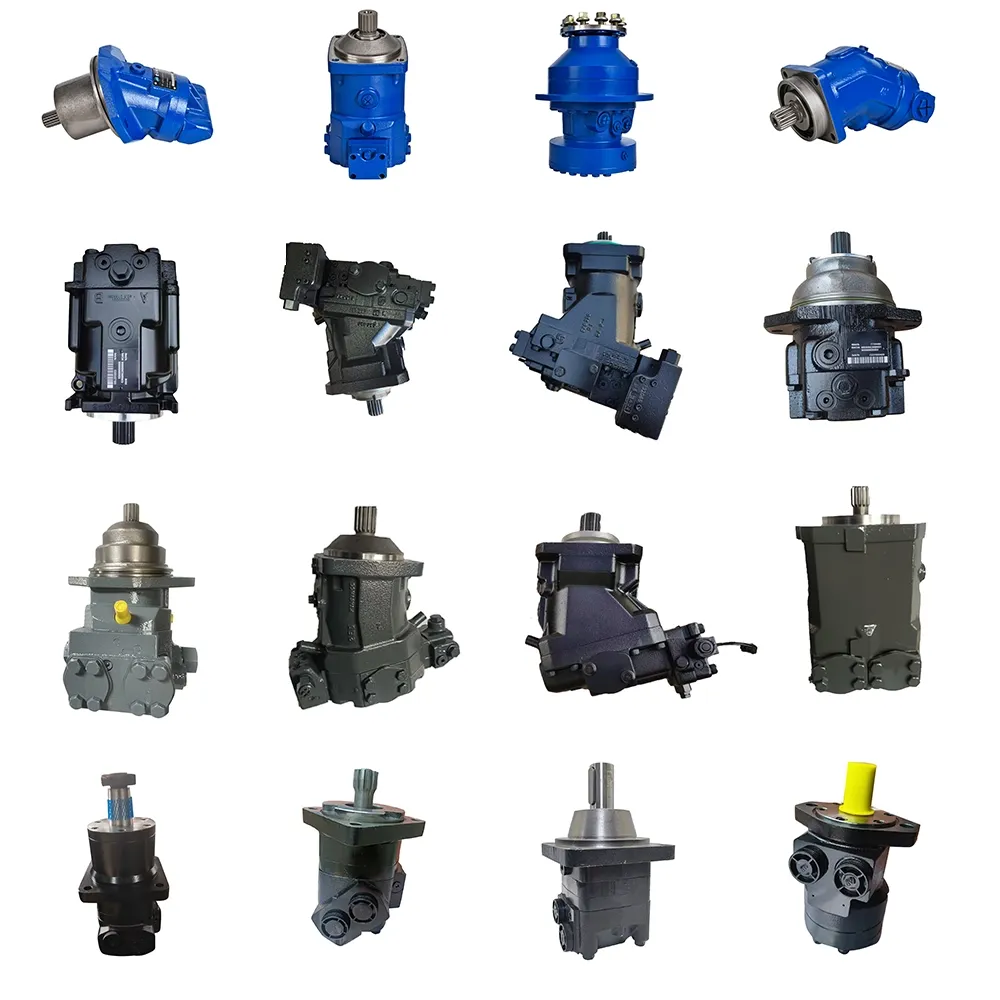
Types of hydraulic motor
According to different structures and working principles, hydraulic motors are generally classified into four main types: gear motors, vane motors, piston motors, and orbital hydraulic motors.
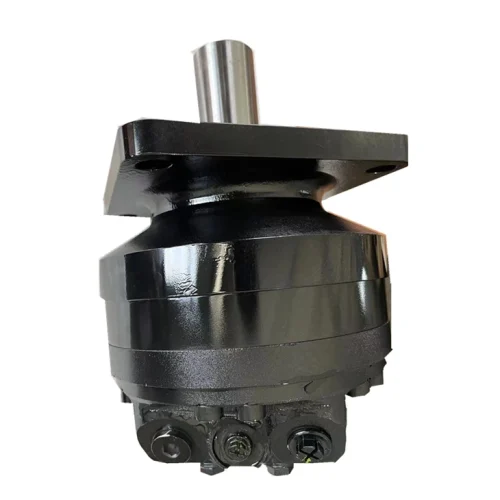
Hydraulic Piston Motor
A hydraulic piston motor is a hydraulic actuator that converts hydraulic energy into mechanical energy and mainly includes two types: axial piston motors and radial piston motors. It operates by using high-pressure hydraulic fluid to push pistons inside the cylinder block, generating rotational motion and producing high torque output. Its main function is to convert the pressure and flow of a hydraulic system into mechanical rotational power to drive machinery, and it is widely used in construction machinery, mining equipment, marine systems, and industrial machinery. Hydraulic piston motors are characterized by high pressure capability, high efficiency, large torque output, and a wide speed control range, making them suitable for heavy-duty and high-performance hydraulic systems.
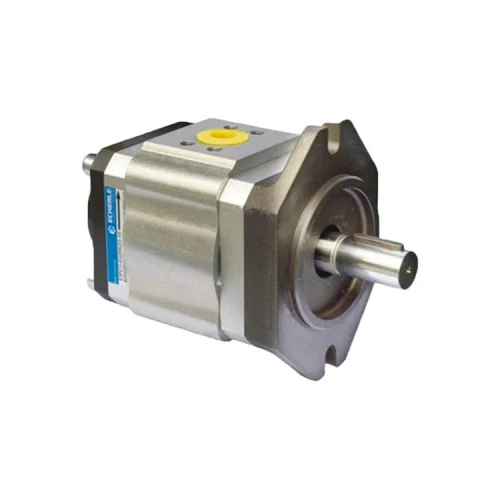
Hydraulic Gear Motor
A hydraulic gear motor is a hydraulic actuator that converts hydraulic energy into mechanical energy by using pressurized hydraulic fluid to drive internally meshing gears to rotate, producing speed and torque to power various types of machinery. Its main function is to transform the pressure and flow of a hydraulic system into stable rotational power, and it is widely used in construction machinery, agricultural equipment, conveyor systems, and industrial machines. Hydraulic gear motors feature a simple structure, compact size, high reliability, easy maintenance, and good resistance to contamination, allowing them to operate stably in medium- and low-pressure hydraulic systems.
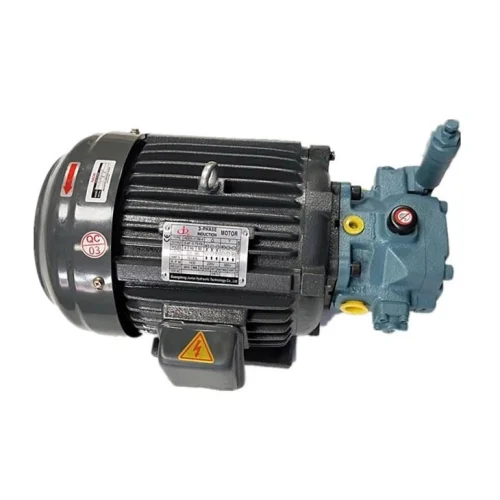
Hydraulic Vane Motor
A hydraulic vane motor is a hydraulic actuator that converts hydraulic energy into mechanical energy by using pressurized hydraulic fluid to drive vanes inside the rotor slots, which slide along the inner surface of the stator to create rotational motion and produce stable speed and torque. Its main function is to transform the pressure and flow of a hydraulic system into smooth rotational power to drive machinery, and it is widely used in industrial equipment, construction machinery, and automation systems. Hydraulic vane motors are characterized by smooth operation, low noise, compact structure, and stable output, making them suitable for hydraulic systems that require stable performance and reduced noise levels.
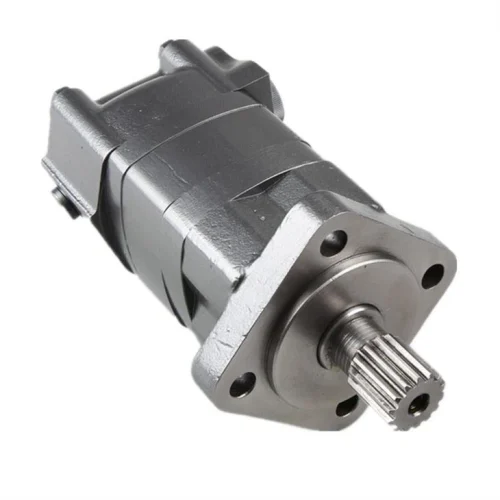
Hydraulic Orbit Motor
An orbit hydraulic motor (also called an orbital or cycloidal motor) is a hydraulic actuator that converts hydraulic energy into mechanical energy. It operates by using pressurized hydraulic fluid to drive the internal rotor and stator to create an orbital motion, generating rotational power and high torque output. Its main function is to convert the pressure and flow of a hydraulic system into stable low-speed rotational power, and it is widely used in agricultural machinery, construction equipment, conveyor systems, and various mobile machines. Orbit hydraulic motors are characterized by high torque at low speed, compact structure, good starting performance, and stable operation, making them ideal for hydraulic systems that require high torque and low rotational speed.
How to Properly Install a Hydraulic Motor
Proper installation of a hydraulic motor is essential for ensuring stable operation and extending its service life. A correct installation process helps reduce wear and prevents issues such as leakage, vibration, and performance instability. The following are key steps and considerations for installing a hydraulic motor:
1. Pre-installation inspection
Before installation, check the hydraulic motor and its accessories to ensure there is no damage from transportation. Verify that the motor model, pressure, flow rate, speed, and torque match the system requirements. Clean the mounting surface to ensure it is free from dust, debris, and contaminants.
2. Choose the correct installation position
The hydraulic motor should be mounted on a solid and stable surface to minimize vibration. Select the appropriate installation orientation according to the equipment requirements and follow the manufacturer’s installation instructions.
3. Connect the hydraulic pipelines
When connecting the inlet and return ports, ensure the pipelines are correctly installed and well sealed to prevent oil leakage. The pipelines should be cleaned before connection, and suitable hydraulic oil should be used. Installing a filter in the hydraulic system is recommended to prevent contaminants from entering the motor.
4. Alignment and fixation
During installation, ensure proper alignment between the hydraulic motor and the driven components such as shafts or couplings. Poor alignment may cause vibration and excessive wear. Use appropriate bolts and fasteners to securely fix the motor in place.
5. System inspection and adjustment
After installation, check all connections for possible leakage and confirm that the system pressure is within the motor’s rated range. If the motor includes speed or displacement adjustment functions, set them according to the operating requirements.
6. Startup and operation test
When starting the hydraulic system for the first time, run it slowly and observe the operation of the hydraulic motor. Check for abnormal noise, vibration, or overheating, and ensure the system pressure and flow remain stable.
7. Operating precautions
Before starting, make sure the system is filled with hydraulic oil to avoid dry running. During operation, maintain the oil temperature within the recommended range and regularly inspect and replace hydraulic oil and filters to keep the system clean.
8. Safety precautions
Always shut down the hydraulic system and release pressure before installation or maintenance. Operators should wear appropriate protective equipment to prevent accidents.
Hydraulic Motor Maintenance Guide
Regular maintenance of hydraulic motors helps reduce failures, extend service life, and ensure the stable operation of the hydraulic system. By inspecting key components such as hydraulic oil, filters, seals, and system pressure, potential problems can be detected early and handled in time. The following are common maintenance and care guidelines for hydraulic motors:
1. Regularly check the hydraulic oil condition
Inspect the oil level, cleanliness, and quality of the hydraulic oil on a regular basis. Ensure the oil is not contaminated and remains within the proper level range. Use hydraulic oil that meets the equipment requirements and monitor the oil temperature to prevent oil deterioration and performance issues.
2. Clean or replace the filter elements
Filters prevent contaminants from entering the hydraulic system, so they should be inspected and cleaned or replaced periodically. In dusty environments or where oil contamination is high, the replacement interval should be shortened, and the oil circuit should be checked to ensure smooth flow.
3. Inspect seals and pipelines
Regularly check the seals and hydraulic lines to ensure there are no leaks, wear, or aging issues. If damaged seals or loose connections are found, they should be replaced or tightened immediately to prevent oil leakage and maintain system pressure.
4. Monitor system pressure
Ensure the hydraulic system operates within the motor’s rated pressure range. Use a pressure gauge to check system pressure periodically. If abnormal pressure is detected, inspect the pressure control devices or safety valves and adjust them if necessary.
5. Check operating parameters
Monitor the operating condition of the hydraulic motor, including speed, torque, and sound during operation. If abnormal vibration, noise, or performance reduction occurs, inspect the system flow, pressure, or internal components.
6. Remove air and inspect the oil circuit
Air trapped in the hydraulic system can affect motor performance, so periodic bleeding of the system is necessary. Also check the oil pipelines for blockages, wear, or leakage to ensure smooth hydraulic fluid flow.
7. Avoid overload operation
Hydraulic motors should not operate under overload conditions for long periods. During startup, the motor should accelerate gradually to reduce mechanical shock and internal wear.
8. Establish a maintenance plan
Create a regular maintenance schedule based on the equipment’s working conditions and usage frequency. Periodically inspect key components for wear and perform necessary servicing to maintain stable operation.
9. Storage of spare hydraulic motors
Hydraulic motors that are not used for long periods should be protected with anti-rust treatment and stored in a dry environment. Before reuse, they should be inspected and tested to ensure proper operation.
FAQs
1.What series and models of hydraulic motors are available?
2.What is the warranty period for hydraulic motor products?
In most cases, the warranty period for hydraulic motors is 12 months, although the exact duration may vary depending on the manufacturer and product model.
3.How do I choose the right hydraulic motor model?
When selecting a hydraulic motor, it is important to consider the system’s operating pressure, required flow rate, output torque, speed, and mounting configuration to ensure the motor meets the operational needs of the equipment.
4.How can the long-term stability and durability of a hydraulic motor be ensured?
Maintaining clean hydraulic oil, performing regular maintenance, avoiding prolonged overload operation, and operating the motor within the recommended pressure and temperature ranges can help extend its service life.
5.What is the transportation and delivery time for hydraulic motors?
Depending on the inventory status of the product and the order volume, the standard delivery time is usually 5 to 10 working days. If there are special needs, we will try our best to speed up the delivery.
6.What is the difference between a hydraulic motor and a hydraulic pump?
A hydraulic pump converts mechanical energy into hydraulic energy, while a hydraulic motor converts hydraulic energy into mechanical energy, meaning they perform opposite functions in a hydraulic system.
7.How long is the service life of a hydraulic motor?
Under normal operating conditions and with proper maintenance, a hydraulic motor can typically operate for several thousand hours or longer, depending on the working environment and maintenance practices.
Shoot Us An Email
Professional Manufacturer