
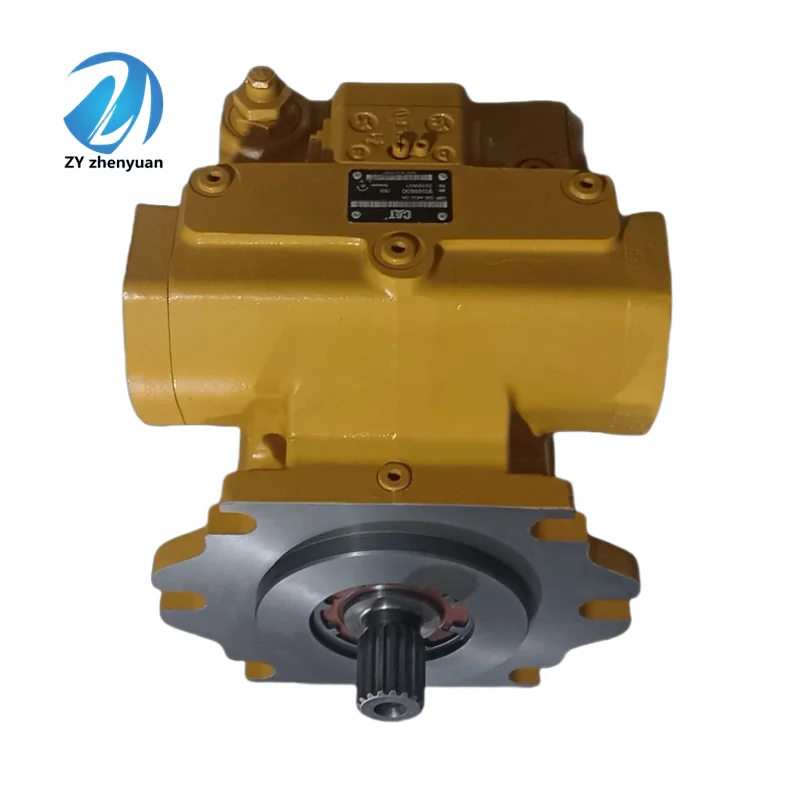
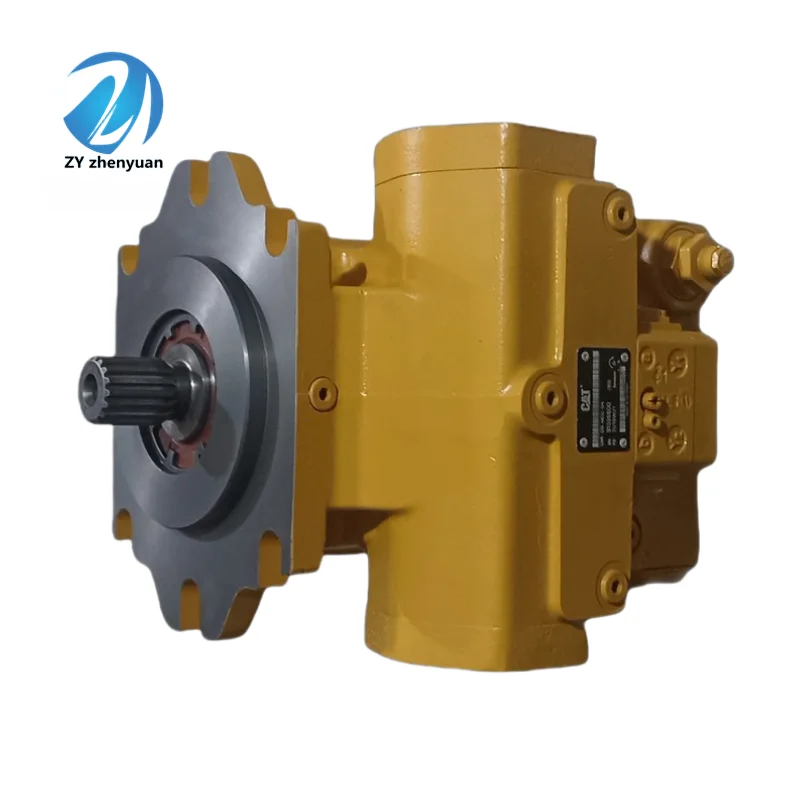


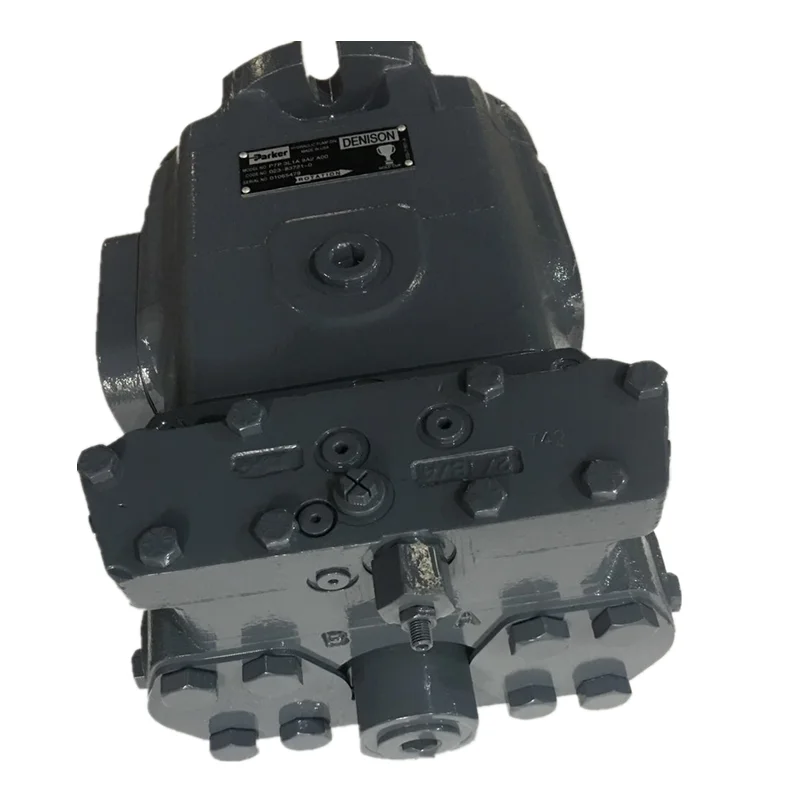


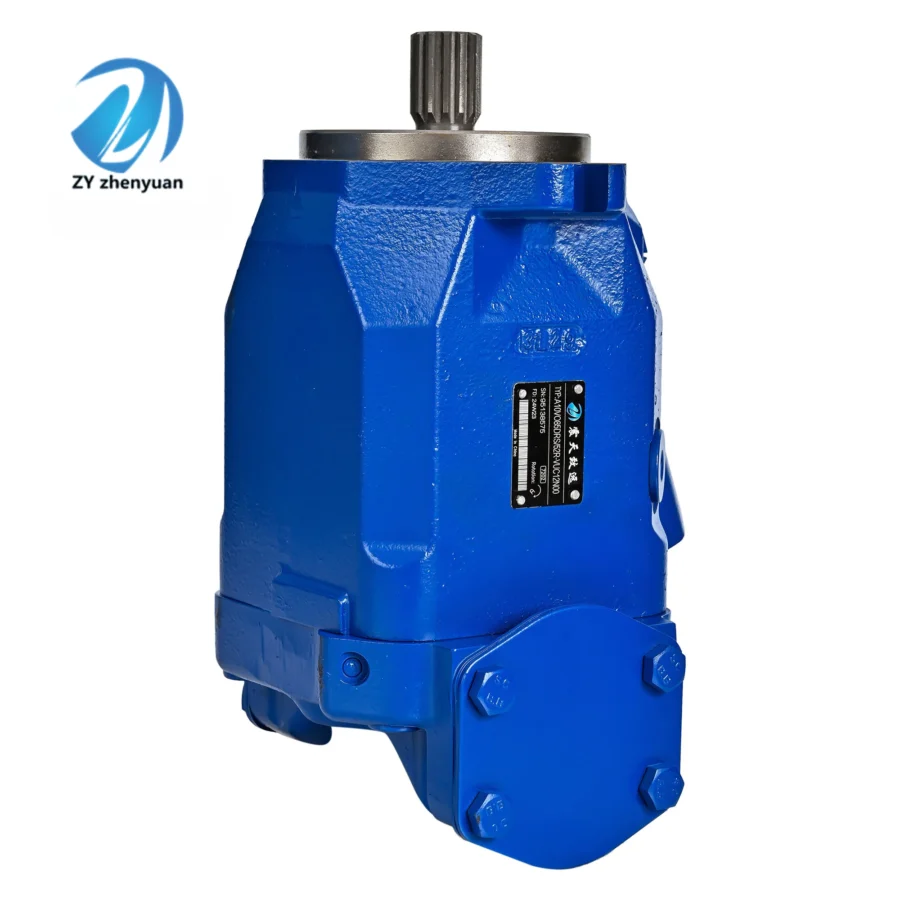
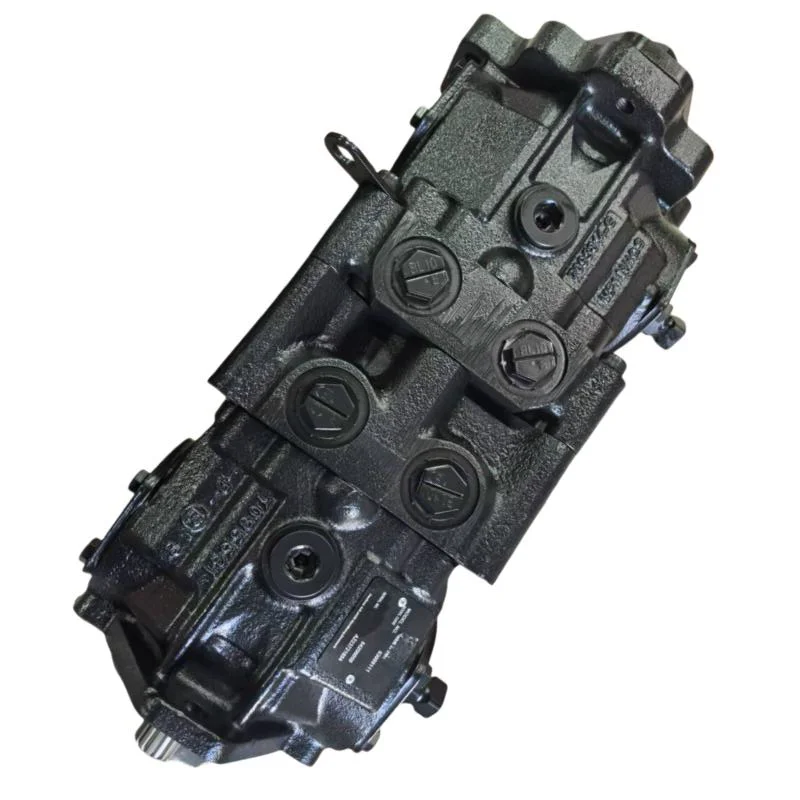
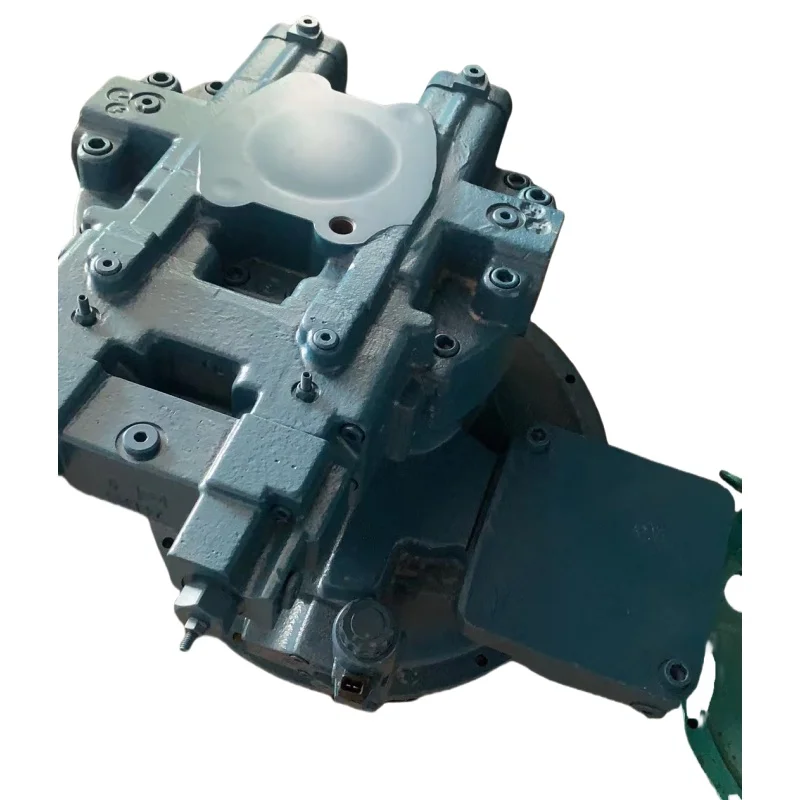
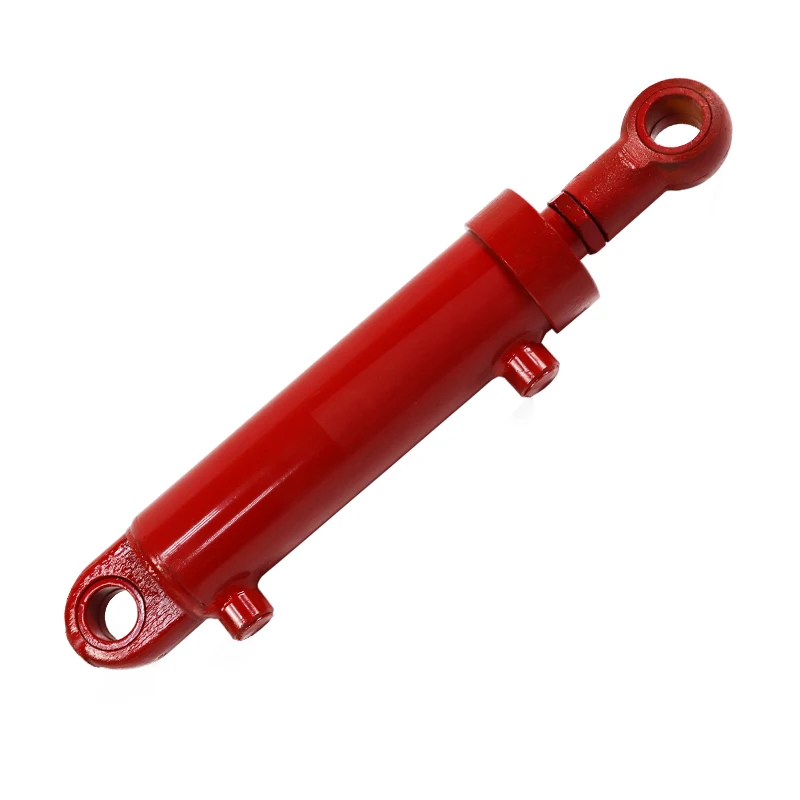
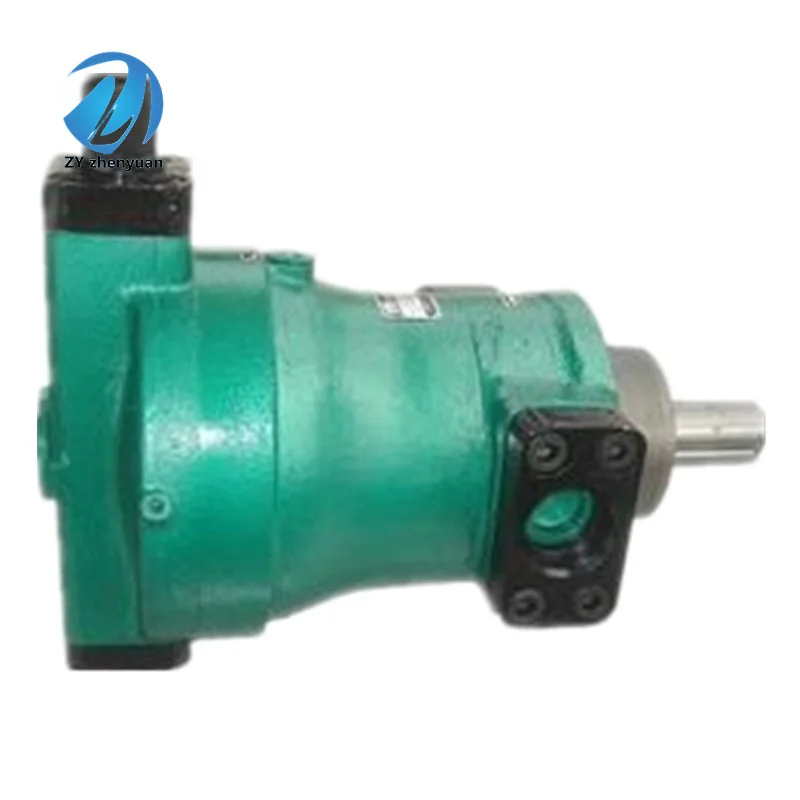
Choosing the correct hydraulic piston pump requires evaluating several technical and operational factors. A proper selection helps ensure stable system performance, high efficiency, and long service life.
Piston Pump
Product Categories
Showing 13–24 of 949 results
What is a Piston pump?
A hydraulic piston pump is a high-pressure hydraulic power component and a type of positive displacement pump. It operates through one or more pistons that reciprocate within the cylinder block, continuously completing the suction and compression process of hydraulic fluid. During this movement, the changing volume inside the pump chamber creates a vacuum that draws hydraulic oil into the pump, then compresses it and delivers it through the outlet, effectively converting mechanical energy into stable hydraulic power.
With advantages such as high efficiency, high pressure output, and precise flow control, hydraulic piston pumps are widely used in various hydraulic systems. Typical application fields include construction machinery, industrial equipment, agricultural machinery, vehicle hydraulic systems, and automation equipment. Thanks to their reliable structure, stable performance, and ability to handle heavy-duty working conditions, hydraulic piston pumps have become essential core components in many high-performance hydraulic systems.
Types of Hydraulic Piston Pumps
Hydraulic piston pumps can be classified into several main types based on their structural design and operating principles. The most common types include the following:
1. Axial Piston Pump
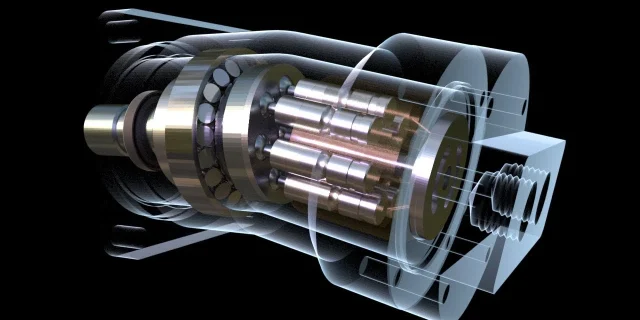
The axial piston pump is one of the most widely used hydraulic piston pump designs. In this type of pump, the pistons are arranged parallel to the drive shaft. The reciprocating movement of the pistons is created by a swash plate or bent-axis mechanism, allowing the pump to draw hydraulic fluid in and then push it out under pressure. Axial piston pumps are known for their compact structure, high efficiency, and ability to generate high pressure, and they can also be designed with variable displacement for flexible flow control.
Applications:
Construction machinery, industrial hydraulic systems, injection molding machines, marine equipment, and aerospace systems.
2. Radial Piston Pump
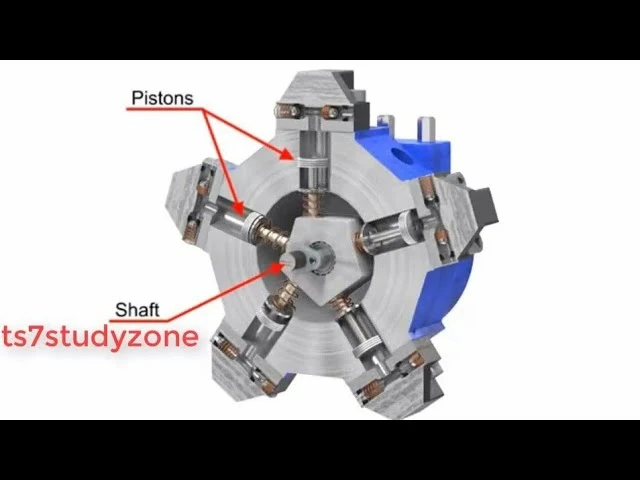
A radial piston pump features pistons arranged radially around the central drive shaft. The rotation of the shaft works with a cam or eccentric mechanism to create reciprocating piston motion, enabling the pump to move hydraulic fluid through the system. This design is well known for producing extremely high pressures while maintaining stable and reliable performance over long operating periods.
Applications:
High-pressure hydraulic systems, machine tools, testing equipment, and heavy industrial machinery.
Internal Components of a Hydraulic Piston Pump
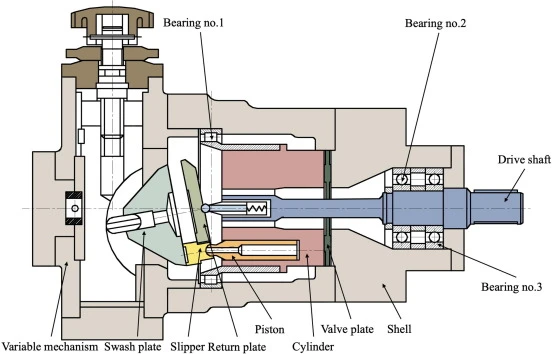
The internal design of a hydraulic piston pump relies on the reciprocating motion of pistons to transfer pressurized hydraulic fluid. As these components work together, the pump efficiently converts mechanical input power into hydraulic energy. Below are the main parts commonly found inside a piston pump. These components are available from Poocca Hydraulic Piston Pump, and you are welcome to contact us for detailed quotations.
1. Pump Body
Purpose: Serves as the main outer casing that protects and holds all internal pump components in place.
Material: Typically manufactured from cast iron, steel, or aluminum alloy to ensure structural strength and long service life.
2. Cylinder Block
Purpose: Houses the pistons and forms the working chambers where fluid displacement occurs.
Material: Usually produced from hardened steel or durable alloy materials to provide high wear resistance.
3. Pistons
Purpose: Reciprocate within the cylinder block to draw in hydraulic oil and then push it out under pressure.
Material: High-strength steel or alloy materials, often treated with chrome plating or other coatings to reduce friction and wear.
4. Swash Plate (for Axial Piston Pumps)
Purpose: Transforms the rotation of the drive shaft into the linear motion of the pistons. Adjusting the swash plate angle changes the piston stroke and therefore controls pump displacement.
Material: Hardened steel or alloy.
5. Drive Shaft
Purpose: Transfers rotational power from the motor or engine to the internal pumping mechanism.
Material: Made from strong alloy or steel to withstand continuous mechanical stress.
6. Valve Plate
Purpose: Controls the inlet and outlet flow paths of hydraulic fluid within the pump.
Material: Usually constructed from hardened steel or alloy materials to handle high pressure and friction.
7. Port Plate (for Axial Piston Pumps)
Purpose: Regulates the movement of hydraulic oil between the pump chamber and the external hydraulic circuit.
Material: High-strength steel or alloy.
8. Cam (for Radial Piston Pumps)
Purpose: Converts rotational movement from the drive shaft into radial reciprocating motion of the pistons.
Material: High-strength alloy or steel.
9. Bearings
Purpose: Support rotating components, reduce friction, and maintain smooth operation.
Material: Typically produced from hardened steel.
10. Sealing Components
Purpose: Prevent leakage of hydraulic oil, maintain system pressure, and keep contaminants out of the pump.
Material: Usually made from rubber, elastomers, or other durable sealing materials.
11. Springs
Purpose: In certain designs, springs help return pistons to their original position or maintain proper contact between internal parts.
Material: High-strength steel or alloy.
12. Displacement Control System (Variable Pumps)
Purpose: Adjusts the swash plate angle or cam position to regulate pump output according to system requirements.
Material: Built from durable materials such as steel or high-strength alloys to ensure accuracy and reliability
How to Select the Right Hydraulic Piston Pump
1. Define System Requirements
Start by identifying the flow rate needed for your hydraulic system, including both the maximum and minimum flow demands. This helps determine the appropriate pump displacement. At the same time, check the system’s operating pressure and ensure the selected pump is capable of handling that pressure reliably over long-term operation.
2. Select the Appropriate Displacement Type
Hydraulic piston pumps are generally available as fixed displacement or variable displacement models. Fixed displacement pumps deliver a constant flow rate and are suitable for systems with stable flow requirements. Variable displacement pumps, on the other hand, can automatically adjust output flow according to load changes, improving efficiency and providing greater flexibility for complex hydraulic systems.
3. Consider the Operating Environment
The working environment plays an important role in pump selection. Factors such as fluid viscosity, chemical properties, and temperature should be evaluated to ensure compatibility with the pump materials and sealing components. In addition, the pump must be able to operate reliably within the expected temperature range, especially in applications involving extremely high or low temperatures.
4. Ensure System Compatibility
Before selecting a pump, verify that its dimensions, mounting configuration, and connection ports are compatible with your existing hydraulic system. The pump should fit within the available installation space and match the pipeline interface, connection type, and port size to avoid installation issues.
5. Evaluate Performance Factors
Efficiency is an important consideration when choosing a hydraulic piston pump. High-efficiency pumps help reduce energy consumption and lower long-term operating costs. It is also advisable to review the pump’s performance curve to confirm that it performs efficiently at the main operating points. In applications where noise control is important, selecting a low-noise pump design can help improve the working environment.
6. Maintenance and Technical Support
Maintenance requirements should also be taken into account. Pumps with simple structures and easily replaceable components are generally more convenient to maintain.
Precautions for Using a Hydraulic Piston Pump
Proper operation and maintenance of a hydraulic piston pump are essential to ensure stable performance, high efficiency, and long service life. The following precautions should be considered during operation.
1. Ensure Proper Installation
Before starting the pump, confirm that it is installed correctly and securely. The alignment between the pump and the drive motor should be accurate to avoid vibration, noise, or premature wear of internal components.
2. Use Suitable Hydraulic Oil
Select hydraulic fluid that meets the system specifications. The oil should have the correct viscosity and cleanliness level to protect the internal parts of the piston pump and maintain efficient operation.
3. Avoid Running the Pump Dry
Never operate the pump without hydraulic oil. Dry running can quickly cause serious damage to internal components such as pistons, cylinder blocks, and bearings.
4. Control Operating Pressure and Speed
Ensure the pump operates within the recommended pressure and speed limits. Excessive pressure or speed can lead to overheating, reduced efficiency, and shortened service life.
5. Monitor Temperature and Noise
During operation, regularly observe the pump’s working temperature and sound levels. Abnormal noise, vibration, or excessive heat may indicate internal wear or system problems that require immediate inspection.
6. Perform Regular Maintenance
Routine maintenance such as checking seals, replacing hydraulic oil, and inspecting key components can help prevent unexpected failures and maintain optimal pump performance.
FAQs
1.What are the disadvantages of a piston pump?
Piston pumps have a relatively complex structure, higher manufacturing cost, and stricter requirements for hydraulic oil cleanliness. They may also produce more noise and require more maintenance.
2.What are the advantages of a piston pump?
Piston pumps offer high efficiency, high pressure capability, a wide displacement range, and long service life, making them suitable for heavy-duty and high-precision hydraulic systems.
3.What is the pressure inside a hydraulic piston pump?
The typical working pressure is 20–40 MPa, while some high-pressure systems can reach over 60 MPa.
4.How efficient is a piston pump?
Piston pumps are highly efficient, with overall efficiency typically between 85% and 95%.
5.What is the working principle of a hydraulic piston pump?
It operates through the reciprocating motion of pistons inside the cylinder block, changing the chamber volume to draw in and pressurize hydraulic fluid, thereby converting mechanical energy into hydraulic energy.
6.What does “axial” mean in a pump?
In this context, “axial” means that the pistons move in a direction parallel to the drive shaft.
7.Can an axial piston pump be a fixed displacement pump?
Yes. Axial piston pumps can be designed as fixed displacement pumps or variable displacement pumps.
8.What is the main difference between a radial piston pump and an axial piston pump?
The main difference is the arrangement of the pistons:
Axial piston pump: pistons are parallel to the shaft
Radial piston pump: pistons are arranged radially around the shaft
9.What is the difference between a vane pump and an axial piston pump?
Vane pumps have a simpler structure, lower cost, and lower pressure capability, while axial piston pumps provide higher efficiency and higher pressure, making them suitable for heavy-duty hydraulic systems.
10.How many pistons are in an axial piston pump?
Axial piston pumps typically contain 5–9 pistons, with 7 or 9 pistons being the most common configurations.
Shoot Us An Email
Professional Manufacturer