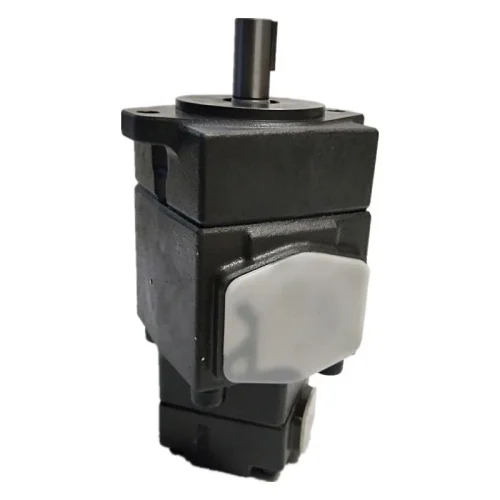
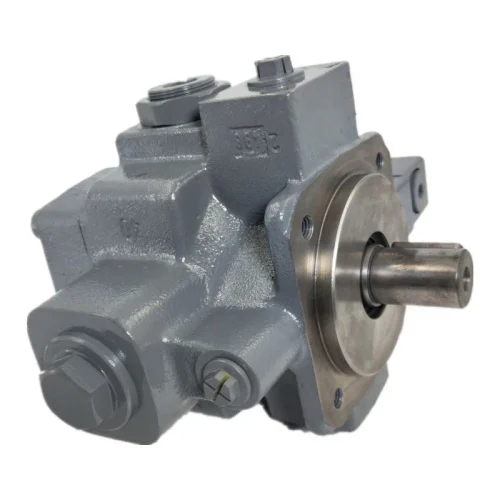
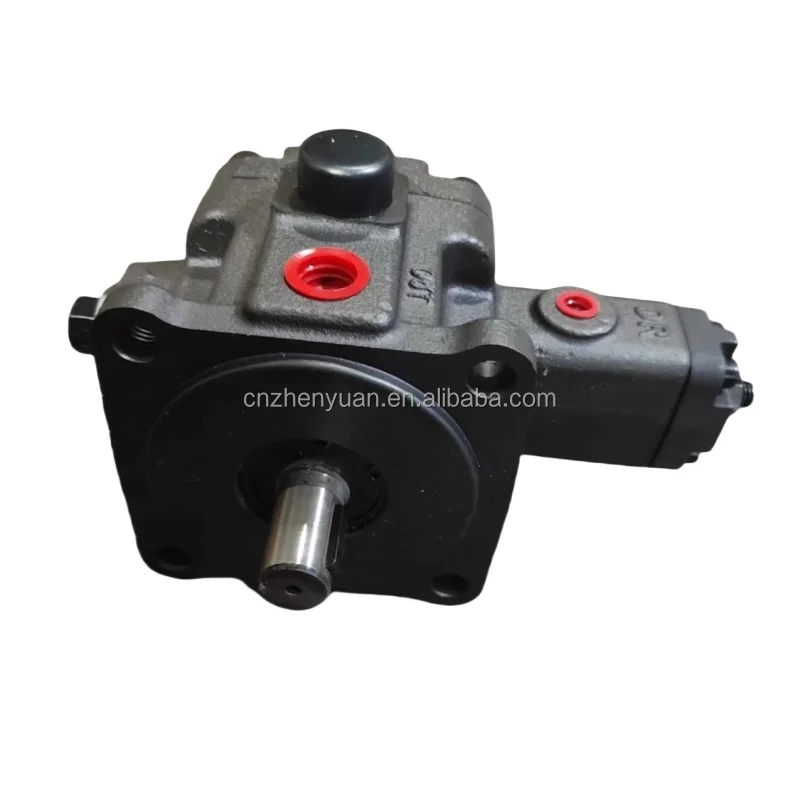
Vane Pump
Product Categories
Showing 157–168 of 169 results
What is a vane pump?
A hydraulic motor is a device that converts hydraulic energy into mechanical energy and serves as an important actuator in hydraulic systems. When high-pressure hydraulic fluid enters the motor, it drives internal components such as gears, vanes, or pistons to rotate, producing torque and rotational motion that can power various types of machinery.
The working principle of a hydraulic motor is essentially the opposite of a hydraulic pump. A hydraulic pump converts mechanical energy into hydraulic energy, while a hydraulic motor uses the pressure and flow of hydraulic fluid to convert hydraulic energy into mechanical rotational power.
Because hydraulic motors provide high torque output, a wide speed control range, smooth operation, and reliable performance, they are widely used in construction machinery, agricultural equipment, mining machinery, marine equipment, and many types of industrial automation systems. They are an essential power component in hydraulic transmission systems.
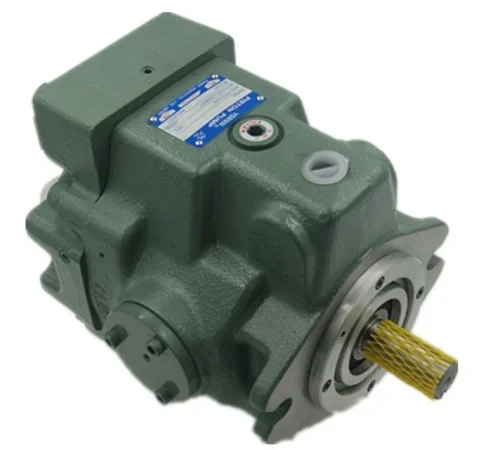
Types of Vane Pumps
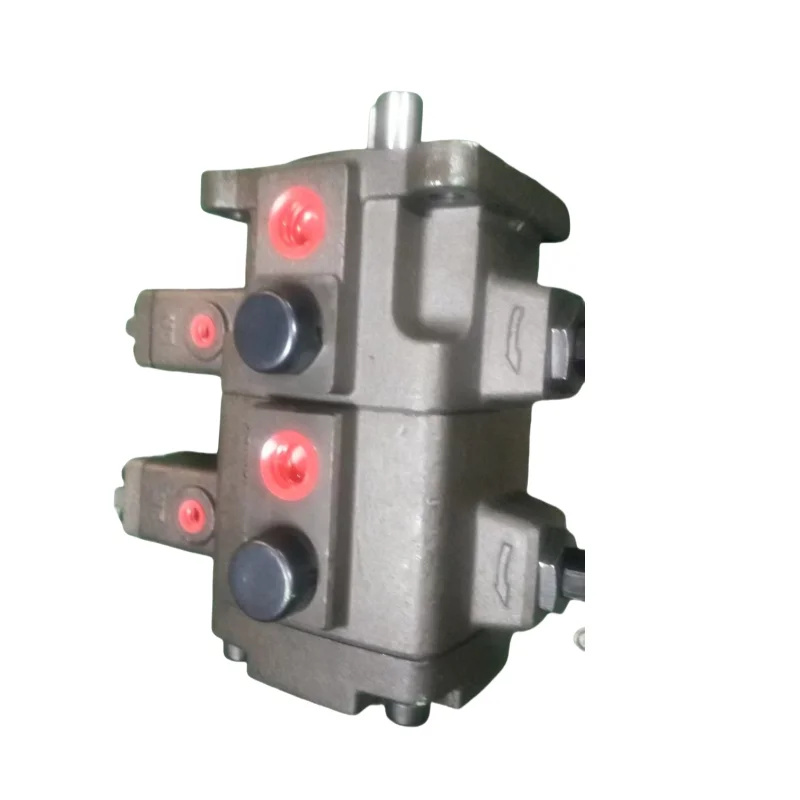
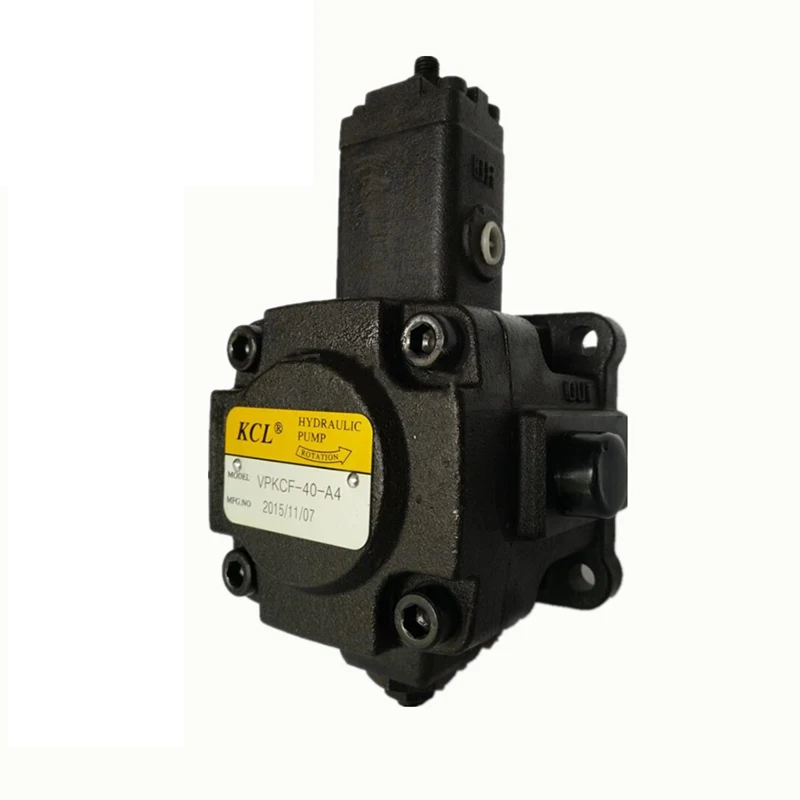
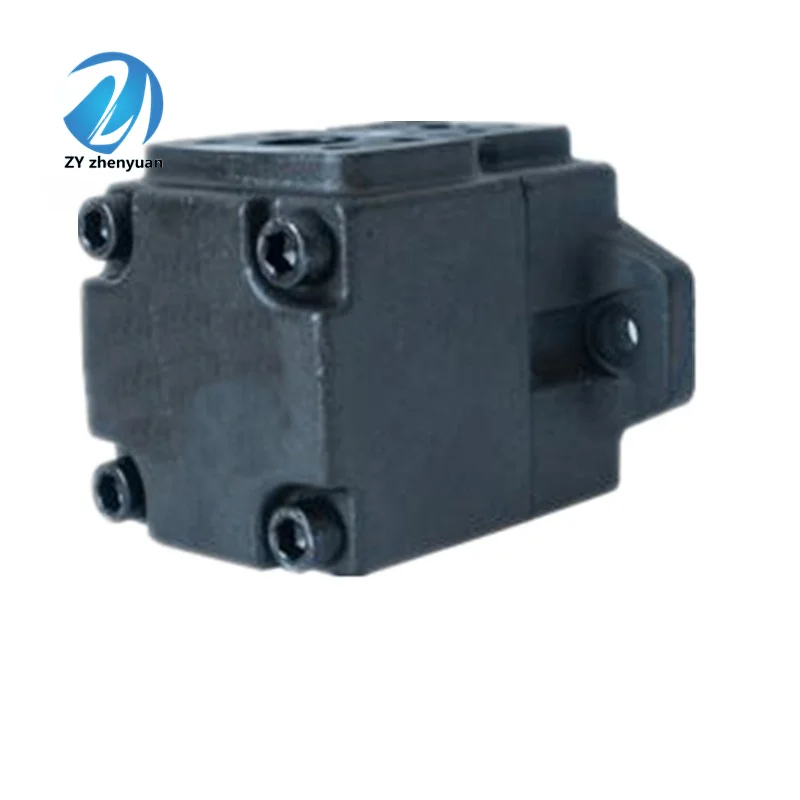
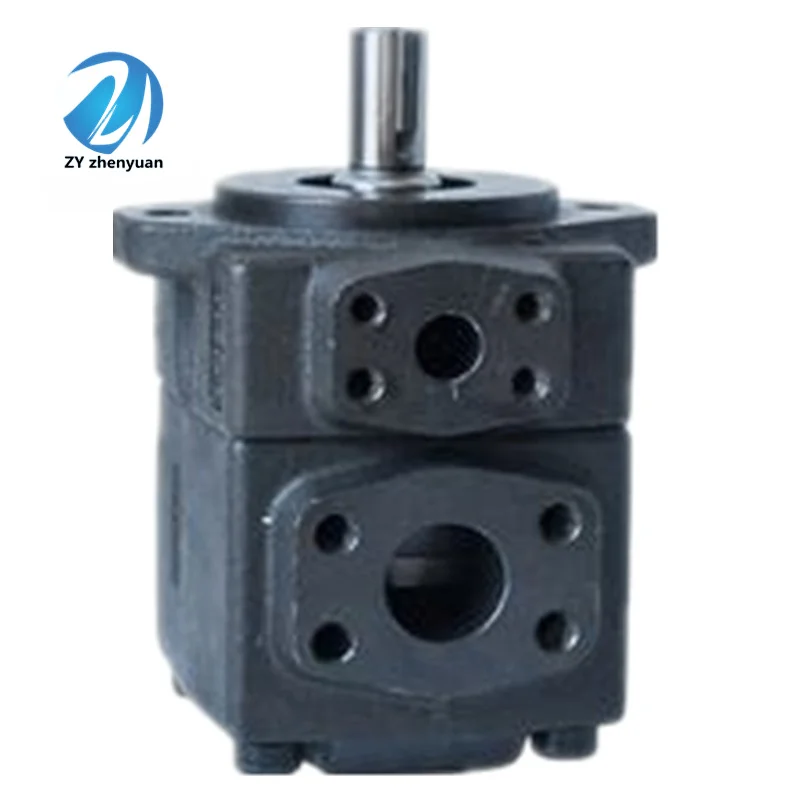
Vane pumps can be classified into several types based on their structural design and operating characteristics. The most common types include single vane pumps, double vane pumps, and variable displacement vane pumps.
1. Single Vane Pump
A single vane pump, also known as a single-acting vane pump, has one suction and one discharge cycle during each rotation of the rotor. The rotor is mounted eccentrically inside the pump housing, creating chambers of varying volume as it rotates. This type of vane pump has a simple structure and is commonly used in low to medium pressure hydraulic systems.
2. Double Vane Pump
A double vane pump, or double-acting vane pump, performs two suction and discharge cycles during each rotor rotation. The internal design allows for more balanced hydraulic forces, which reduces bearing loads and improves operational stability. Because of this balanced structure, double vane pumps generally operate more smoothly and have longer service life compared with single vane pumps.
3. Variable Displacement Vane Pump
A variable displacement vane pump is designed to adjust its output flow according to system requirements. By changing the position of the cam ring or the eccentricity of the rotor, the pump can vary the displacement and regulate the flow rate automatically. This feature improves energy efficiency and makes variable vane pumps suitable for systems that require flexible flow control.
How to Select the Right Hydraulic Vane Pump
1. Determine the system flow and pressure requirements
2. Choose the appropriate pump type
3. Consider the working environment and hydraulic fluid characteristics
4. Check installation and system compatibility
FAQs
1.What is a vane pump used for?
2.What are the advantages of a vane pump?
3.What are the disadvantages of a vane pump?
4.What is the typical pressure range of a vane pump?
5.What causes vane pump failure?
Common causes include contaminated hydraulic oil, insufficient lubrication, excessive pressure, overheating, and wear of internal components such as vanes and cam rings.
6.What is the difference between a vane pump and a gear pump?
Vane pumps provide smoother flow and lower noise, while gear pumps have a simpler structure and stronger resistance to contamination.
7.How long does a vane pump last?
With proper maintenance and clean hydraulic oil, vane pumps can typically operate for several thousand hours or longer depending on the working conditions.
8.Can vane pumps run dry?
No. Running a vane pump without hydraulic oil can cause severe damage to the vanes and internal components due to lack of lubrication.
Professional Manufacturer