
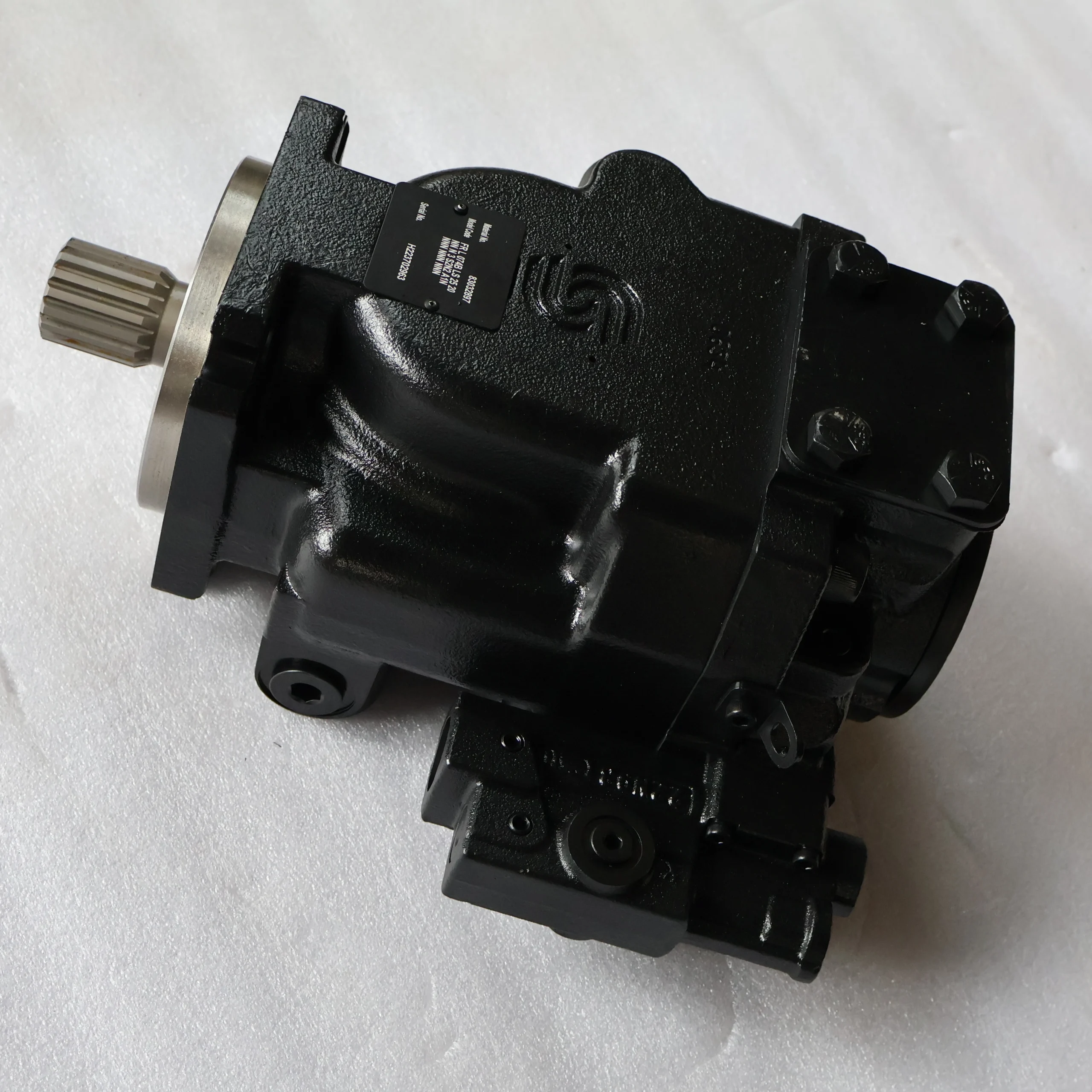
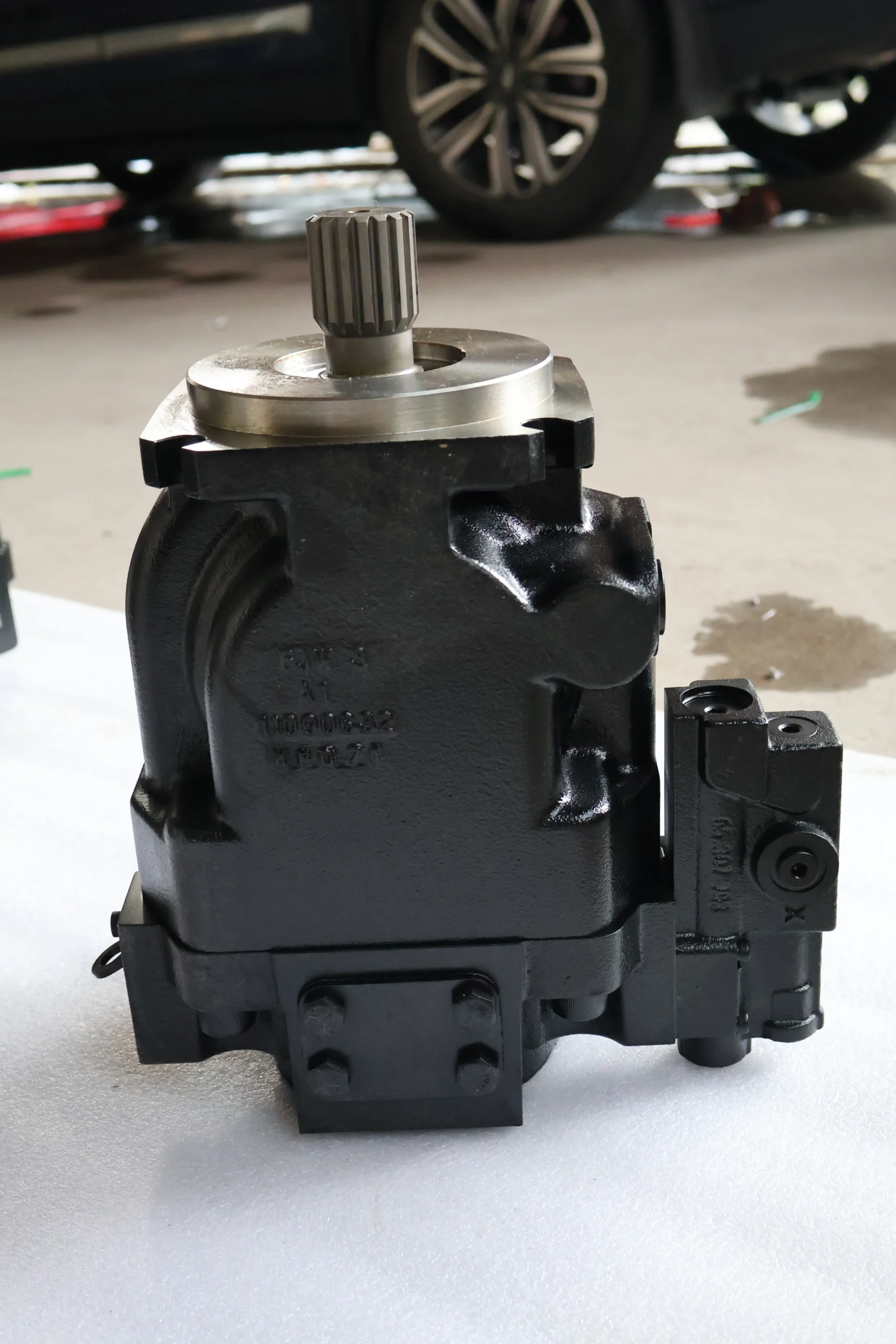
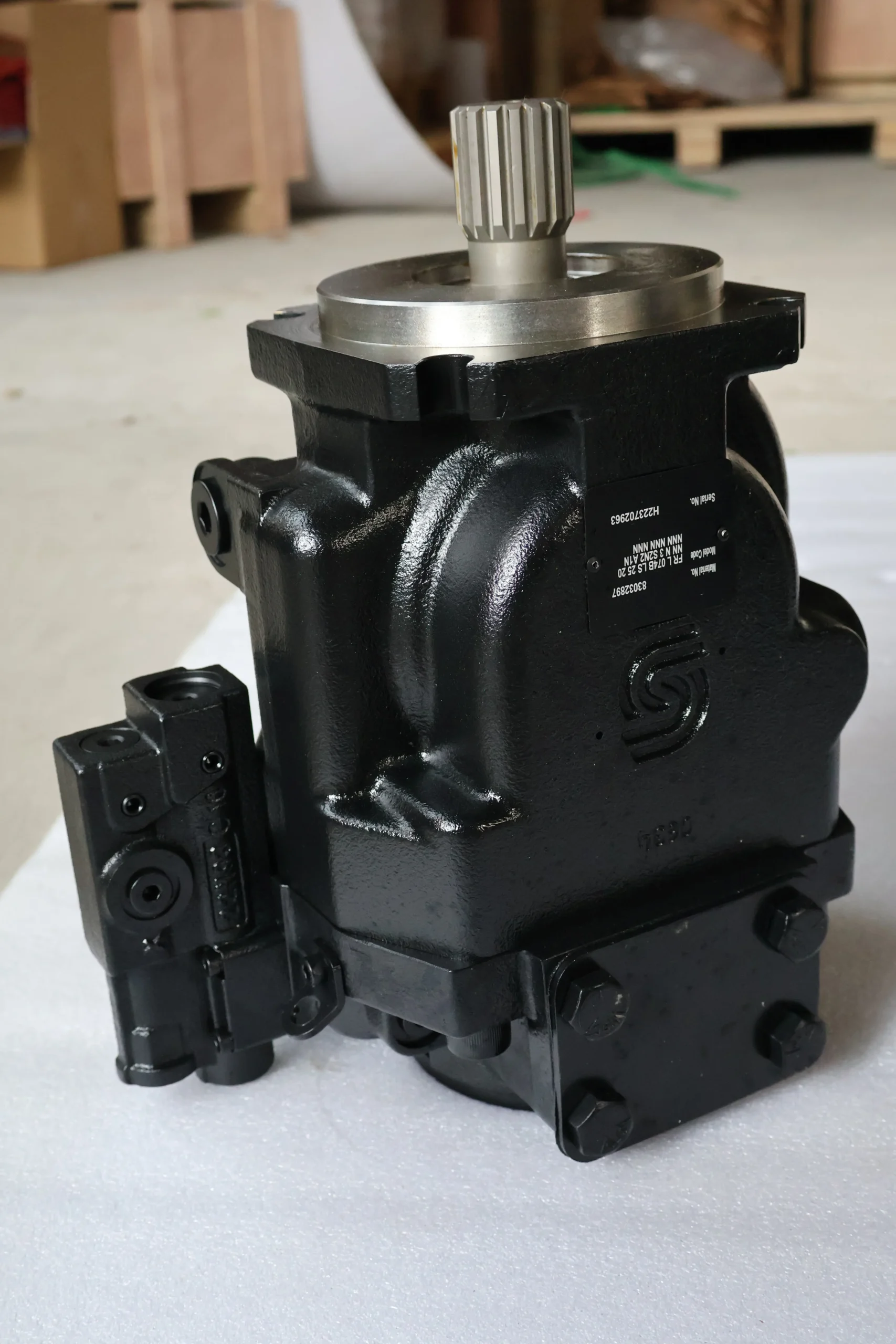
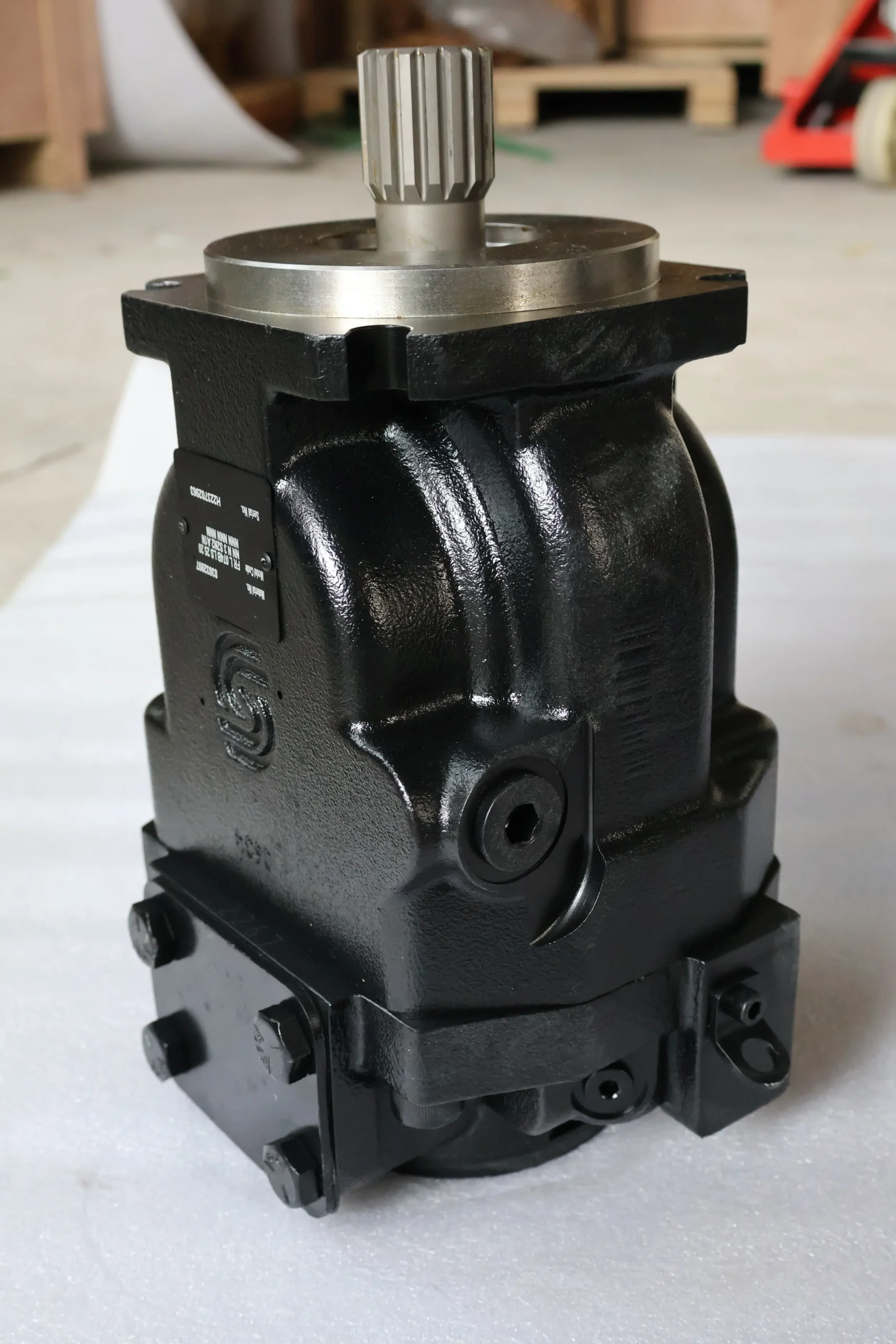
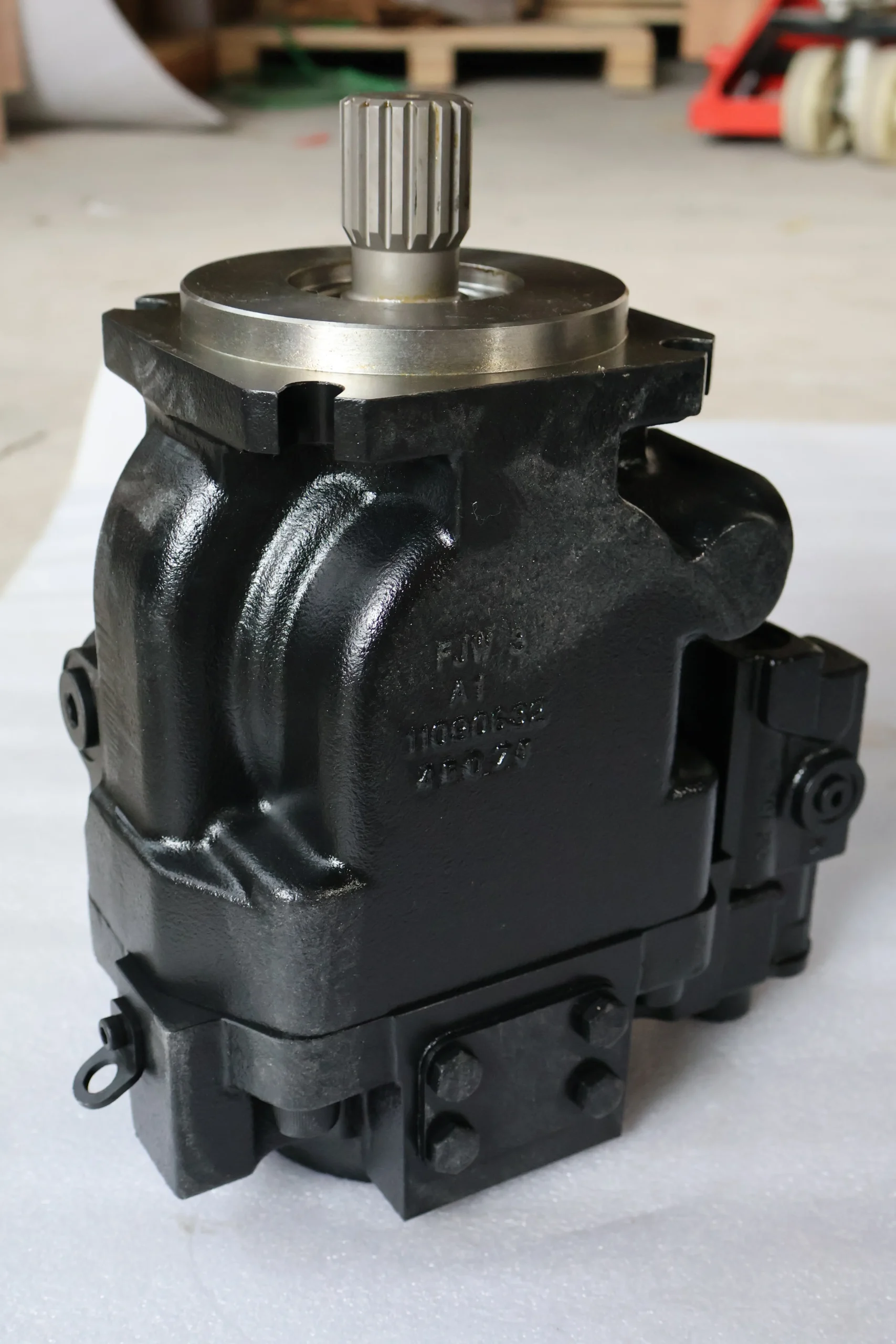
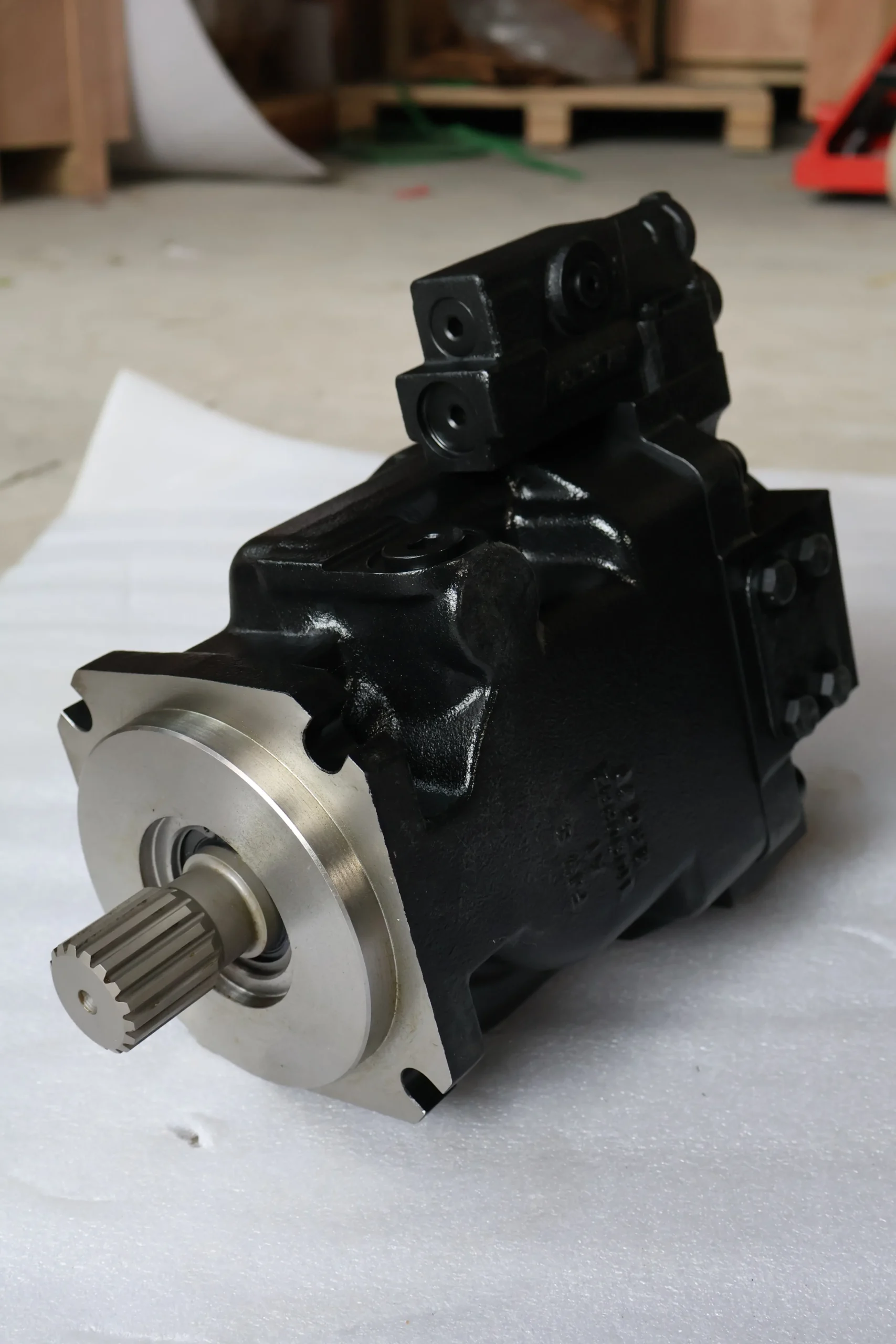
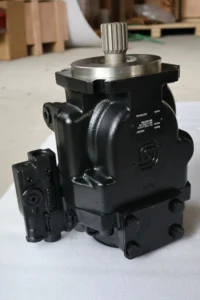
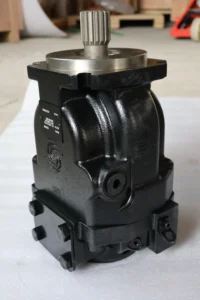
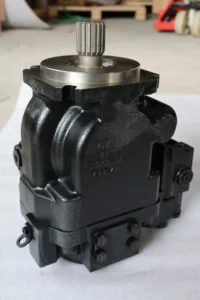
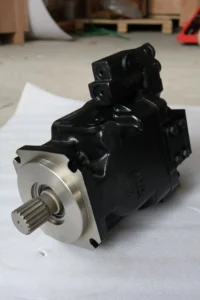
GRL090RPC21NNNNN3S1B2A1NCAANNNNN Replace by FRL090 FRR090 FRR074 FRL074 Hydraulic High Pressure Axial Variable Piston Pump
| Model Number | GRL090RPC21NNNNN3S1B2A1NCAANNNNN |
|---|
Product Description
GRL090RPC21NNNNN3S1B2A1NCAANNNNN Hydraulic Pump Replace by FRL090 FRR090 FRR074 FRL074 High Pressure Axial Variable Piston Pump
Core performance parameters
– Pump type: Swash plate axial piston variable pump, load sensitive + constant pressure compound control, right-rotation steering, closed circuit design, suitable for high-pressure and high-flow hydraulic systems, providing intelligent adjustable hydraulic source for medium and large-sized actuators.
– Displacement and pressure parameters: Rated displacement 90 mL/r, variable range 10%-100% stepless adjustment; Rated working pressure: 35 MPa, maximum allowable pressure: 40 MPa (short-term ≤10 seconds); The rated speed is 1800 r/min, the maximum speed is 2400 r/min (short-term ≤5 minutes), and the minimum stable speed is 150 r/min.
– Flow and efficiency parameters: Rated flow at rated speed is 162 L/min, and the flow response time under load sensitive control is ≤50 ms. Volumetric efficiency ≥94%, total efficiency ≥90%; The imported vacuum degree is ≤0.035 MPa (at rated speed).
– Operating characteristics: Continuous operating oil temperature ≤90℃, rated working condition noise value ≤85 dB (measured at 1 meter); The fault-free operating life under rated conditions is ≥ 15,000 hours.
2. Structure and connection parameters
– Structural type: Swash plate axial piston structure, integrating high-strength cast iron pump body, alloy steel piston pair, copper alloy cylinder block, roller bearing and composite control valve group; It adopts a pressure-compensating variable mechanism and an automatic end face clearance compensation device, resulting in extremely low leakage under high pressure.
– Core material: The plunger is made of stainless steel (surface hardened, hardness HRC62-65); The cylinder body is made of tin bronze ZCuSn10Pb5 (aged treatment, hardness HB240-280). The swash plate is made of alloy steel with a ceramic coating (hardness above HV900). The sealing part is a high-pressure resistant fluororubber combination (temperature resistance ≤120℃).
– Connection specifications: The oil suction port (P) is of G1.5″ thread, and the oil return port (T) is of G1.25″ thread. The drive shaft is spline connected (specification 25×50). Install flange bolts with a center distance of 200×150 mm. The weight of the pump body is approximately 85 kg, and its external dimensions (length × width × height) ≈650×480×380 mm.
3. Medium and Environmental requirements
– Medium requirements: L-HM 46 anti-wear hydraulic oil is suitable for normal temperature. L-HM 32 is selected for low-temperature environment (below -25℃). The allowable medium viscosity is 15-400 mm²/s, and the moisture content is ≤0.02%. It is strictly prohibited to use media containing solid particles (particle size > 5 μm) or corrosive media.
– Cleanliness standard: The oil cleanliness should reach ISO 4406 14/11 grade. A 5 μm fine filter should be placed in front of the oil suction port. The filter should be replaced immediately when the pressure difference of the filter is greater than 0.15 MPa.
– Environmental parameters: Operating environment temperature -30℃ to 95℃, relative humidity ≤95% (short-term condensation is allowed); With a protection grade of IP67, it is suitable for harsh working conditions such as large-scale construction machinery, industrial high-pressure equipment, and mining/metallurgy.Ii. Working Principle
This pump is a swashplate axial piston variable pump. The core achieves high-pressure adjustable hydraulic energy output through the mechanism of “swashplate driving the piston to reciprocate – periodic change of cylinder volume – load-sensitive intelligent regulation”. The specific process is as follows:
1. Core process of oil suction and discharge
The drive shaft drives the cylinder block to rotate at high speed. Under the action of the return spring and the oil pressure, the plunger inside the cylinder block is always in close contact with the surface of the swash plate. When the plunger rotates with the cylinder to the lower side of the swash plate (the oil suction zone), the inclined surface of the swash plate pushes the plunger to extend outward, increasing the volume of the plunger chamber and creating a negative pressure. The hydraulic oil is then sucked into the plunger chamber through the oil suction port and the fine filter. When the plunger rotates to the upper side of the swash plate (the oil discharge area), the swash plate compresses the plunger to retract inward, causing a sharp reduction in the volume of the plunger cavity. High-pressure oil is then delivered to the system through the oil discharge port and the control valve group. The cylinder body continuously rotates to achieve continuous oil suction and discharge.
2. Compound variable regulation mechanism
The load sensitive + constant pressure compound control is adopted: The load sensitive valve detects the system load pressure signal in real time. When the load pressure is lower than the constant pressure set value (35 MPa), the variable mechanism automatically adjusts the swash plate inclination Angle according to the load demand, so that the output flow precisely matches the load fuel consumption (pressure × flow is dynamically balanced as needed). When the system pressure reaches 35 MPa, the constant pressure valve forces the variable mechanism to reduce the inclination Angle of the swash plate, and the flow rate rapidly drops to 10% of the rated displacement, avoiding system overpressure and achieving intelligent operation of “high pressure energy saving and low pressure high efficiency”.
3. Pressure stability and safety guarantee
The pump body is equipped with a high-pressure relief valve (with an opening pressure of 38 MPa) and an oil replenishment valve. When the compound control fails, the relief valve urgently unloads to protect the pump body from overpressure damage. The oil replenishment valve automatically opens when the pressure in the oil suction area is too low, replenishing oil from the oil tank to prevent cavitation in the plunger cavity. At the same time, it replenishes leaked oil in the closed circuit to ensure stable volumetric efficiency.
Iii. Product Features and Advantages
– High pressure and large flow intelligent controllable: With a rated high pressure of 35 MPa and a large displacement of 90 mL/r, the rated flow reaches 162 L/min. Load sensitive control ensures a flow regulation accuracy of ≤1%, saving more than 30% energy compared to ordinary fixed displacement pumps. Compound control is suitable for the coordinated operation of multiple actuators, with no interference between pressure and flow, and is compatible with high-pressure variable load systems (such as the main circuit of large excavators).
– Wear-resistant and durable with an extremely long service life: The surface hardening of the plunger and the ceramic coating on the swashplate, combined with the precise fit of the tin bronze cylinder body, enhance the wear resistance by 80% compared to ordinary plunger pumps. The automatic end face clearance compensation device keeps the volumetric efficiency stable at over 94% for a long time, and the fault-free life under rated working conditions is ≥ 15,000 hours, which is twice as long as that of gear pumps of the same power.
– Strong adaptability to harsh working conditions: With an IP67 protection rating, it can resist dust, water splashing and short-term immersion. The wide operating temperature range from -30℃ to 95℃ is suitable for extremely cold and high-temperature environments. The imported vacuum degree is ≤0.035 MPa, and the allowable suction pipe length is ≤5 m, which is suitable for the complex installation layout of construction machinery.
– High degree of integration: Equipped with built-in control components such as load sensitive valves, constant pressure valves, and relief valves, system control can be achieved without the need for complex external valve groups, reducing pipeline connections by 40%. The standardized flange and spline connection can directly replace the old pump of the same specification equipment, and the installation and commissioning efficiency is increased by 50%.
Iv. Usage Functions and Purposes
1. Core usage functions
– High-pressure variable oil supply: It provides a 35 MPa high-pressure adjustable oil source for medium and large-sized actuators (such as large-tonnage hydraulic cylinders and high-torque motors), with flow rate adjustable from 10% to 100% in a stepless manner. It replaces the combination of “multiple pumps in parallel + relief valve”, significantly reducing system energy consumption and complexity.
– Load adaptive control: Real-time feedback of load-sensitive signals, and dynamic adjustment of flow rate according to load demand. For example, the excavator can adaptively switch between “digging heavy load (35 MPa, 20 L/min) – rotating light load (20 MPa, 162 L/min)” without manual intervention.
– Multi-loop collaborative drive: Through the diversion and collection valve group, oil can be supplied to 3 to 5 actuators simultaneously. The flow rate is distributed as needed, and the pressure fluctuation is ≤0.5 MPa. It is suitable for the multi-action collaborative scenarios of “pumping + mixing + swing valve” in concrete pump trucks.
2. Main application fields
In the field of large-scale construction machinery: main pumps for 30-50 ton crawler excavators, lifting circuits for 20-30 ton hydraulic loaders, pumping systems for concrete pump trucks, and drilling circuits for large rotary drilling RIGS, suitable for heavy-duty operations in infrastructure and mines.
In the field of industrial high-pressure equipment: main oil supply circuits for 1000-2000 ton hydraulic forming machines, power sources for high-pressure hydraulic test benches, and injection drive systems for large die-casting machines, suitable for precision high-pressure manufacturing scenarios.
– Special high-pressure fields: power source for mine filling pumps, dust and sludge conveying systems for converters in the metallurgical industry, high-pressure water jet rock-breaking equipment, luffing circuits for large cranes in ports, suitable for intermittent ultra-high pressure operations.
V. Applicable Machines and Scenarios
1. Adapt to the core machine
– Large-scale construction machinery: 30-50 ton crawler excavators, 20-30 ton hydraulic loaders, 40-60 meter concrete pump trucks, 200-300kN rotary drilling RIGS.
– Industrial high-pressure equipment: 1000-2000 ton hydraulic forming machines, high-pressure hydraulic test benches, 800-1500 ton die-casting machines.
– Special equipment: Mine paste filling pumps, metallurgical converter dust and sludge conveying pumps, high-pressure water jet equipment, large port cranes.
2. Typical application scenarios
– Scene of the main pump of the excavator As the main pump of a 40-ton excavator, the compound control enables intelligent switching between “excavation heavy load (35 MPa, 25 L/min) and walking light load (25 MPa, 162 L/min)”. It can complete 50 excavation cycles per hour. With IP67 protection, it is suitable for the dusty and water-spraying environment in mines. It can work for an average of 12 hours per day without failure.
– Concrete pump truck scenario: Equipped with a 50-meter concrete pump truck pumping system, it outputs 35 MPa high pressure and 160 L/min flow rate to drive the pumping cylinder, with a concrete conveying capacity of up to 180 m³/ hour. The load-sensitive control automatically adjusts the flow rate based on pipeline resistance, making it suitable for concrete conveying operations in high-rise buildings.
– Hydraulic forming machine scenario: Equipped with a 1500-ton hydraulic forming machine, the constant pressure is controlled at 35 MPa and maintained stably for 10 minutes (the flow rate drops to 8 L/min), ensuring the forming accuracy of large metal parts. The volumetric efficiency is ≥94%, which is 35% more energy-efficient than traditional quantitative pumps. It is suitable for batch forming of automotive frames.
Six. Similar models
1. Alternative models of the same series
– GRL075RPC21NNNNN3S1B2A1NCAANNNNN: with smaller structure model, the rated capacity of 75 mL/r, rated flow 135 L/min, stress and control parameters are consistent, adapter 20-30 – ton equipment (e.g., 30 tons loaders), 25% lower cost than the original model.
– GRL107RPC21NNNNN3S1B2A1NCAANNNNN: with a series of large displacement model, the rated capacity of 107 mL/r, rated flow 193 L/min, the same pressure parameters, adaptation of 50-60 tonnage equipment (e.g., 50 tons of excavator), cost is 35% higher than the original model.
2. Cross-series alternative models
– GRL090RDC21NNNNN3S1B2A1NCAANNNNN: constant pressure control type, cancel the load sensitive function and adaptive constant load scenarios (e.g., high pressure and pressure maintaining system), pressure flow parameters are consistent, 20% lower cost than the original model.
– GRL090RPC16NNNNN3S1B2A1NCAANNNNN: medium voltage adapter type, rated pressure 25 MPa, emissions consistent with the flow, adapter medium pressure big flow system (such as 800 tons die casting machine), 30% lower cost than the original model.
– GRL090RPC21NNNNN3S1B2A1NCAALNNNN: left rotation to the model, structure and performance parameters of the same, sinistral power adapter (e.g., part of imported diesel engine), the cost and the original model.
Vii. Precautions for Use
1. Medium management
– Strictly select L-HM 32/46 anti-wear hydraulic oil. It is strictly prohibited to mix oils of different grades or containing impurities. Before the new pump is used for the first time, the pipeline should be flushed with clean oil for more than 120 minutes to ensure that the cleanliness meets ISO 4406 14/11 grade.
– Check the pressure difference of the oil suction filter weekly (replace the filter element when it exceeds 0.15 MPa), test the moisture content of the oil monthly (≤0.02%), and take samples to test the cleanliness every two months. When emulsification, discoloration or presence of metal debris in the oil is detected, immediately stop the machine, change the oil and disassemble and clean the pump body.
2. Installation and commissioning
Before installation, make sure the drive shaft rotates in the right direction. Reverse rotation is strictly prohibited (reverse rotation can easily cause the plunger to get stuck and damaged). The drive shaft and the motor are connected by an elastic coupling, with a coaxiality error of no more than 0.05mm, to prevent cylinder block wear caused by eccentric loading.
Before debugging, manually turn the wheel 2 to 3 times to confirm there is no jamming. When starting for the first time, first introduce low-pressure oil replenishment (8 MPa), then run at low speed (500 r/min) without load for 30 minutes, gradually increase to the rated speed and pressure, and test the variable adjustment accuracy (a flow error of ≤1% is normal).
For outdoor or underground installation, a protective cover must be added to ensure that the protection level remains at IP67. The pump body should be installed horizontally and fixed, with a heat dissipation space of ≥ 200mm reserved at the bottom. It should be kept away from high-temperature components (such as exhaust pipes). When the oil temperature exceeds 90℃, a forced cooler should be installed.
3. Operation and Maintenance
During operation, real-time monitoring of the pump body temperature (normal ≤85℃, maximum ≤95℃), inlet and outlet pressures, and variable response is carried out. If the temperature rises sharply by more than 20℃, the pressure fluctuates by more than 1 MPa, or the variable fails, stop the machine immediately for inspection. Focus on checking the cleanliness of the oil, the wear of the control valve group or the plunger.
– Regular maintenance every 6,000 hours: Disassemble and clean the pump body, and check the fit clearance between the plunger and the cylinder (replace the matching parts when it is greater than 0.015mm). Replace the seals, bearings and control valve group springs, reassemble and conduct pressure and flow tests to ensure compliance.
– Do not run without oil (running without oil for more than 3 seconds may cause the plunger to sinter). It is strictly prohibited to operate under long-term overpressure (> 40 MPa) or at an overspeed (> 2400 r/min). Before the system is shut down, it should be run at low speed without load for 10 minutes. Only when the oil temperature drops below 60℃ should the power source be cut off.
4. Storage protection
When stored for a long time, use special plugs to block the oil suction and discharge ports, inject special anti-rust oil into the pump body, and apply lithium-based grease to the splines of the drive shaft. Store in a dry warehouse with a temperature ranging from 0 to 45℃ and a humidity of no more than 60%. Avoid direct sunlight, heavy object compression and corrosive gas erosion. Manually turn the machine once a month.
Before being put into use after being idle for more than 18 months, thoroughly clean the inner cavity and replace all the seals. After circulating and flushing with low-pressure oil, run the system no-load for 30 minutes to test the variable performance and leakage. Only after meeting the standards can it be connected to the system.
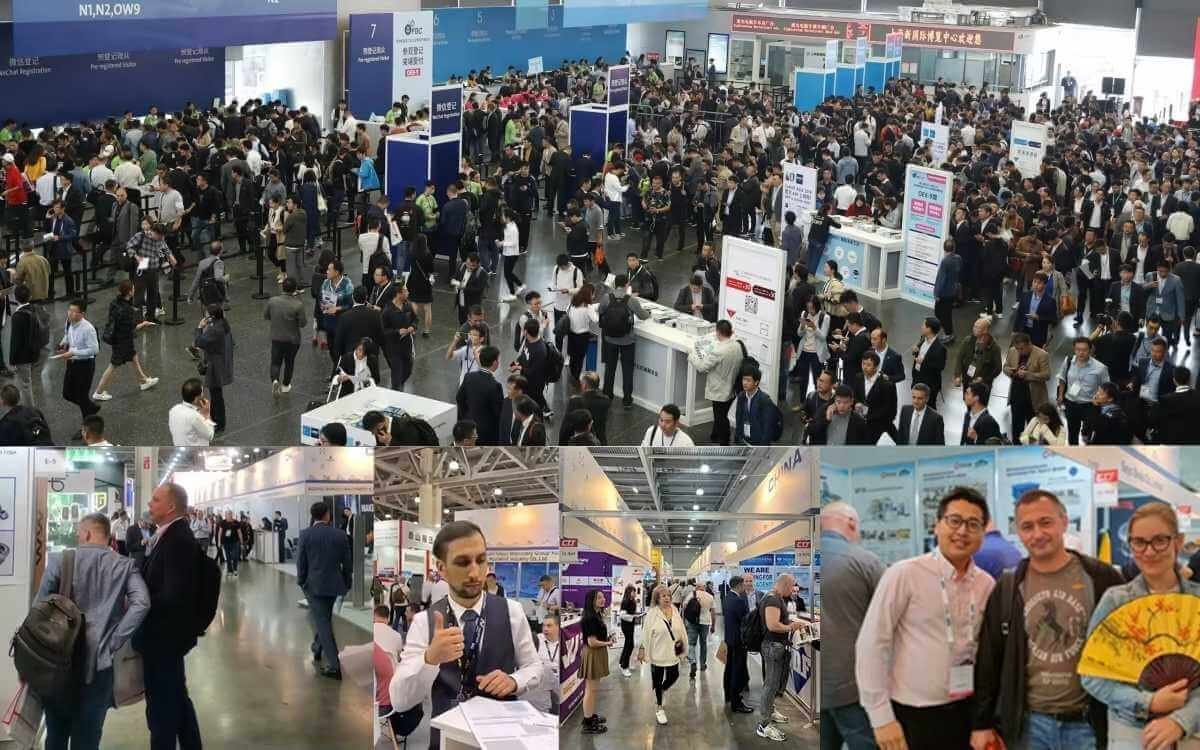
2.We has now developed into an international trading company that supplies various hydraulic machinery parts, oil pumps and valves.
3.Professional team and injectionmolding equipment.
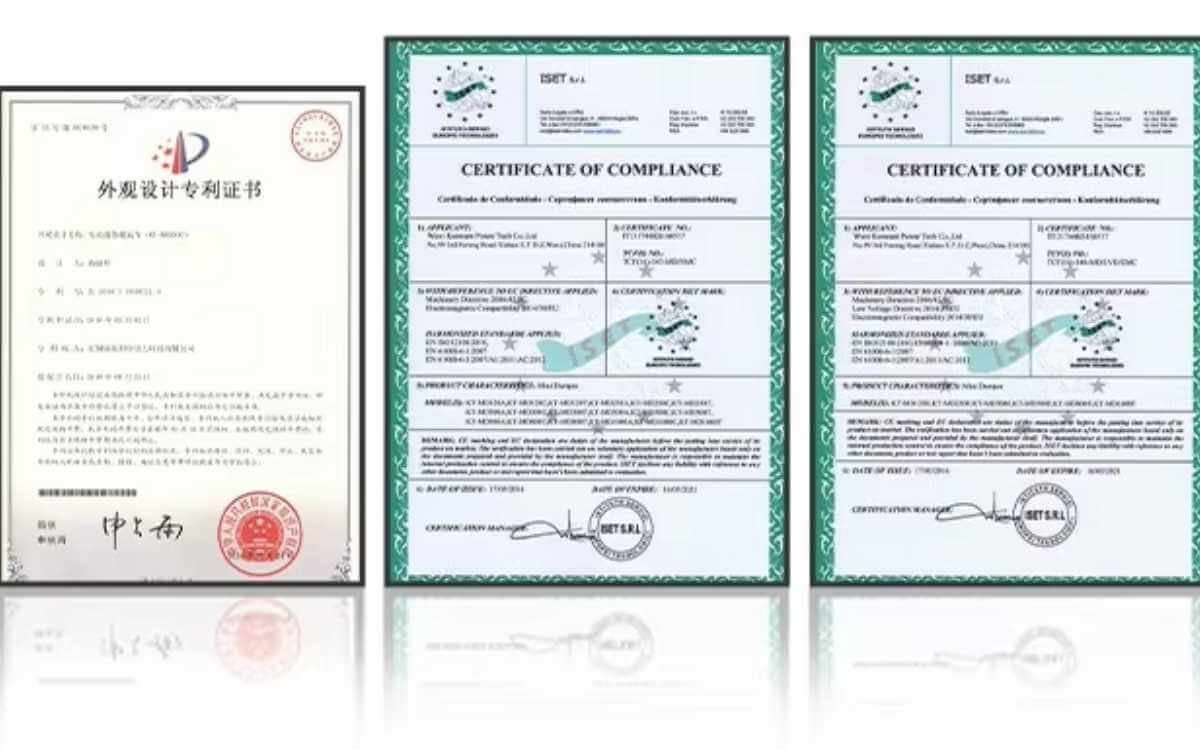
4.In quality , quality management procedures are carried out in accordance with international standards and are implemented throughout the production process.
5.High quality service, and ensure timely delivery.
6.There is a perfect after-sale system.
Company Profile

Professional Manufacturer