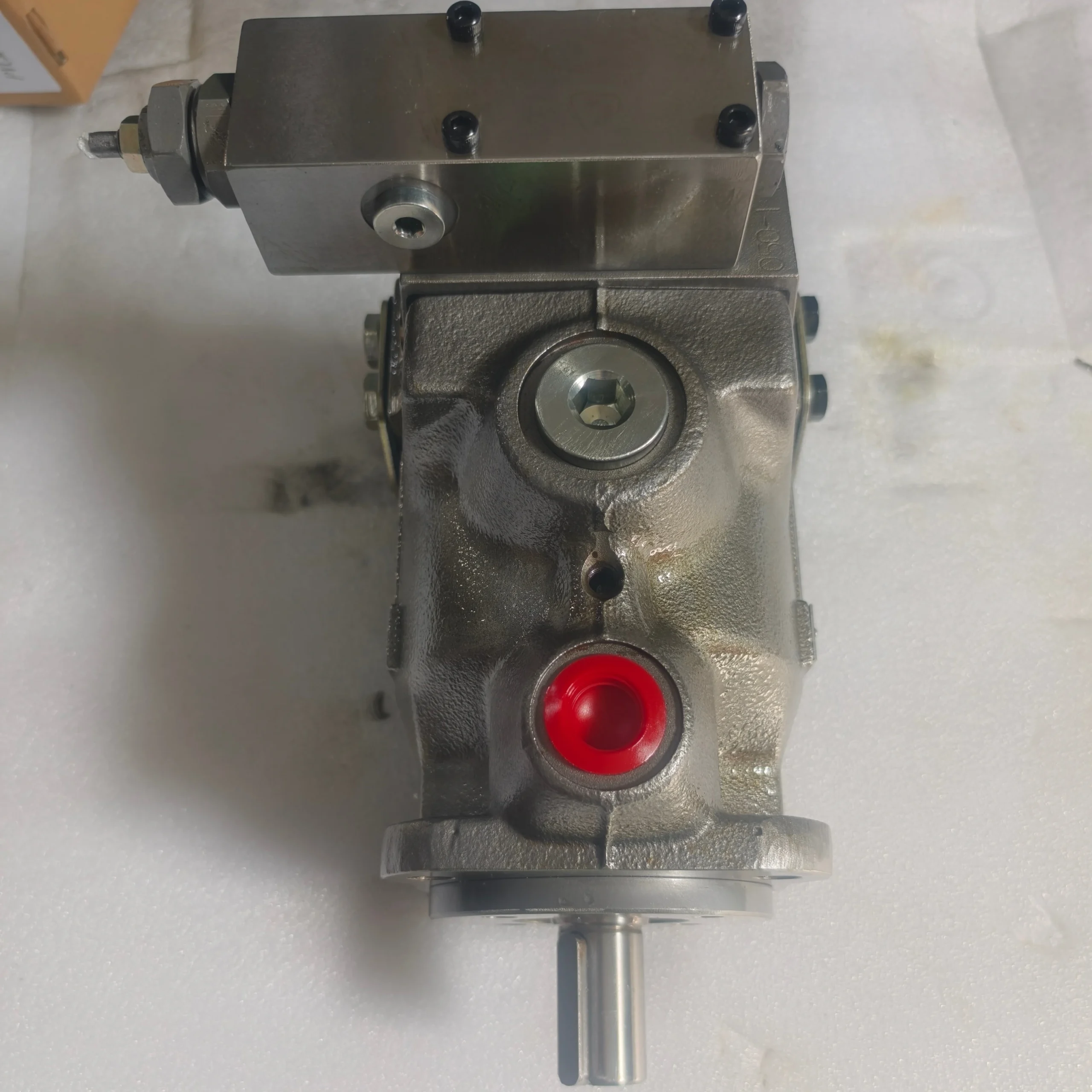
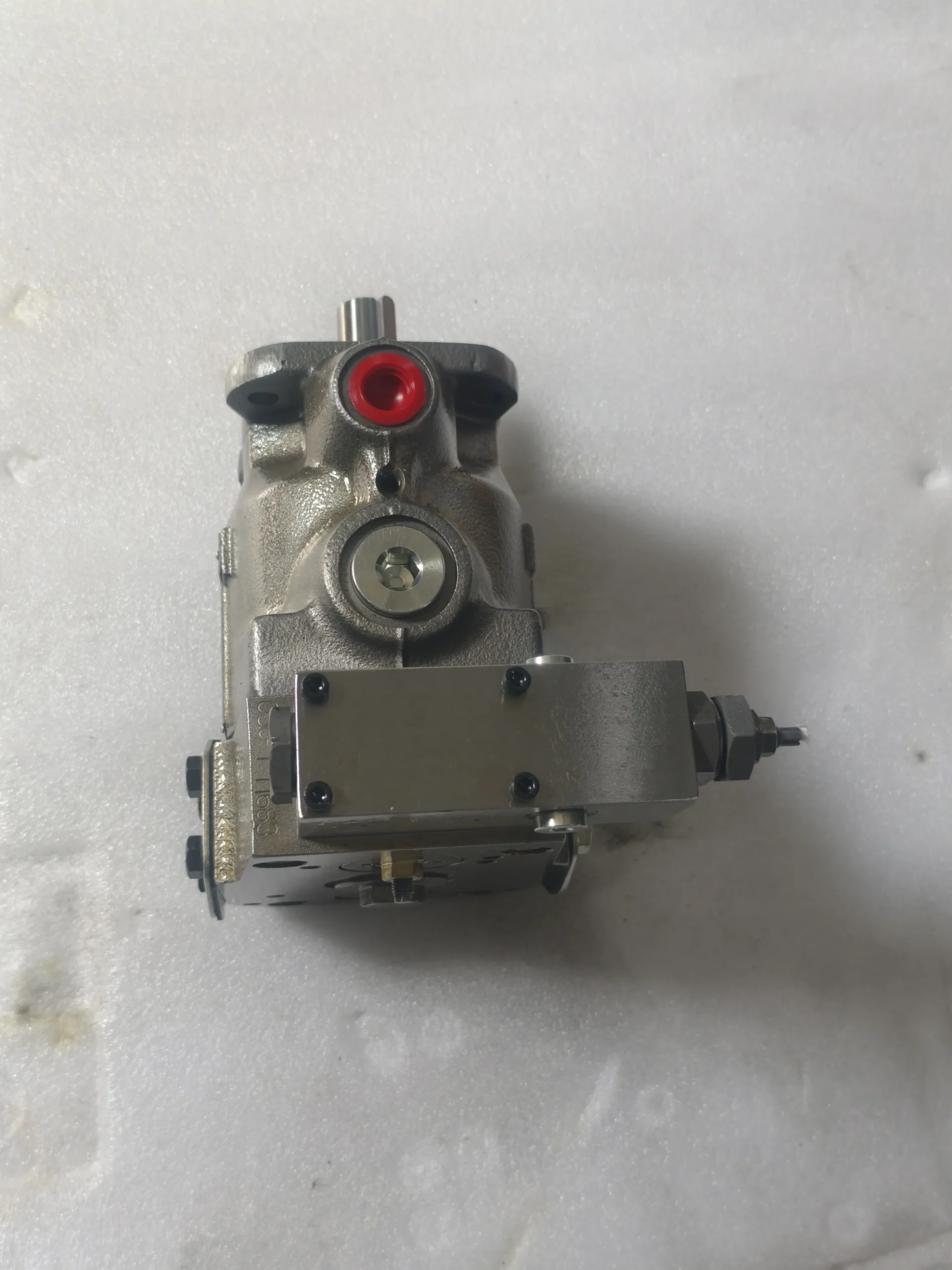
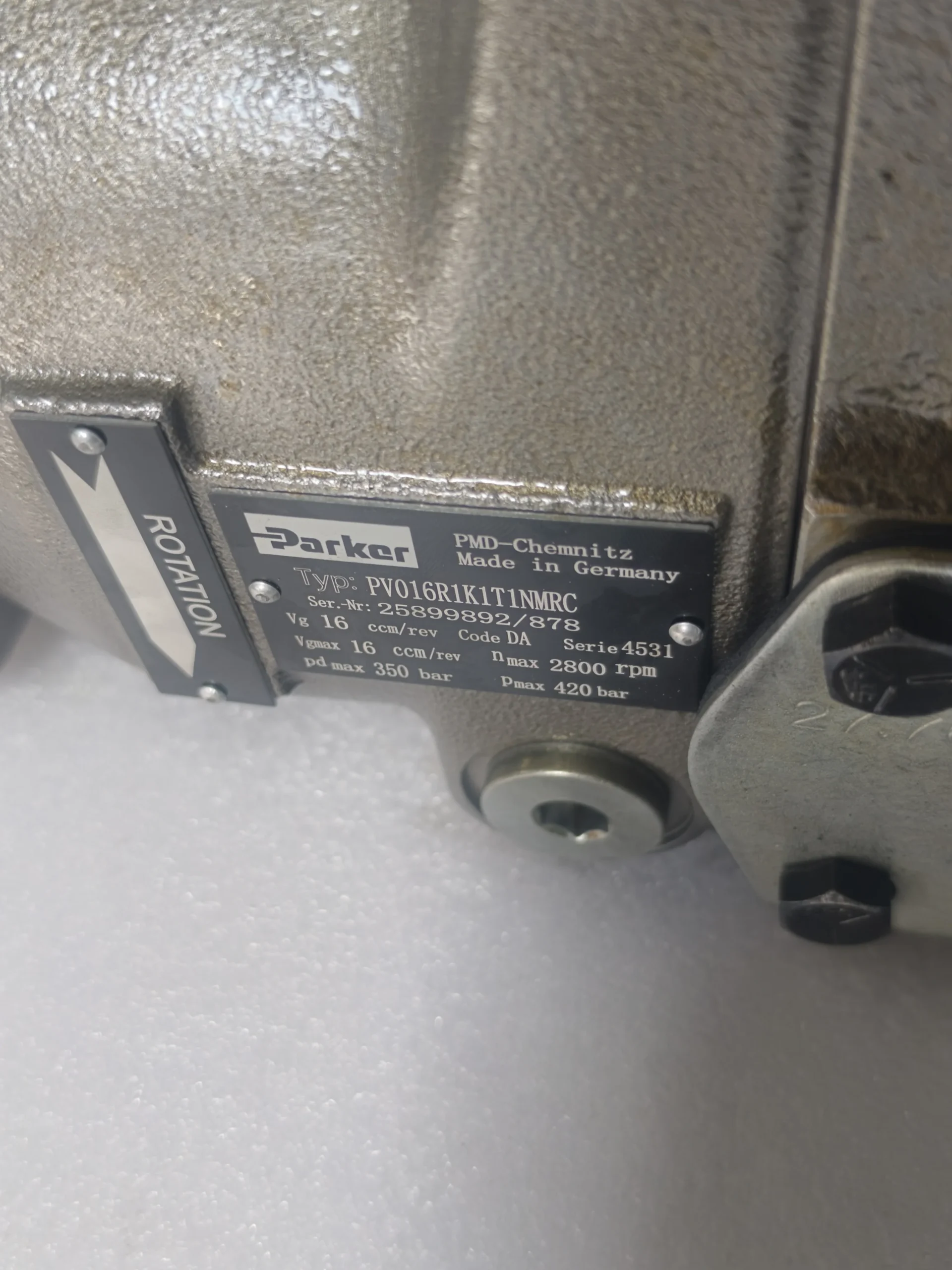
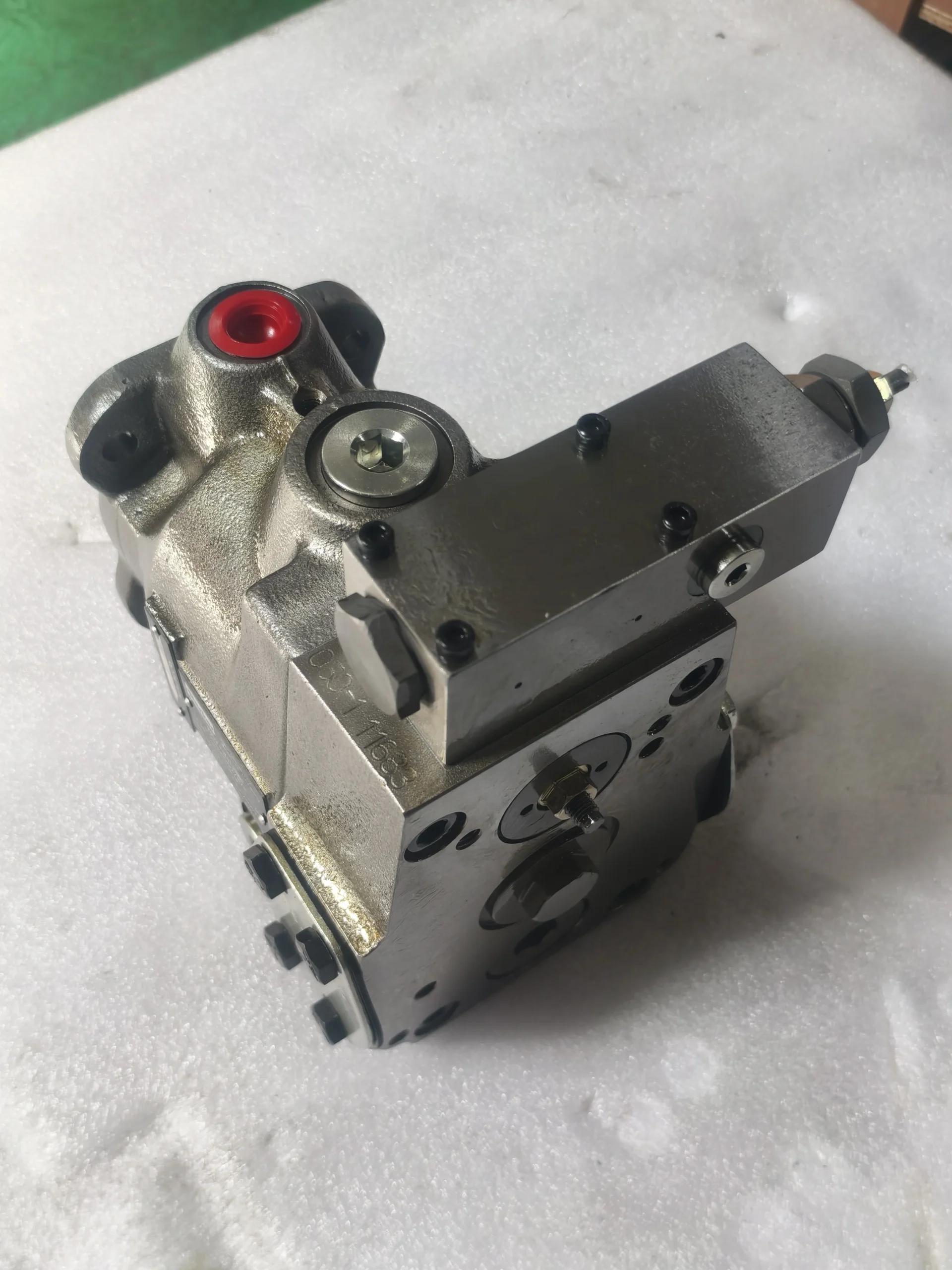
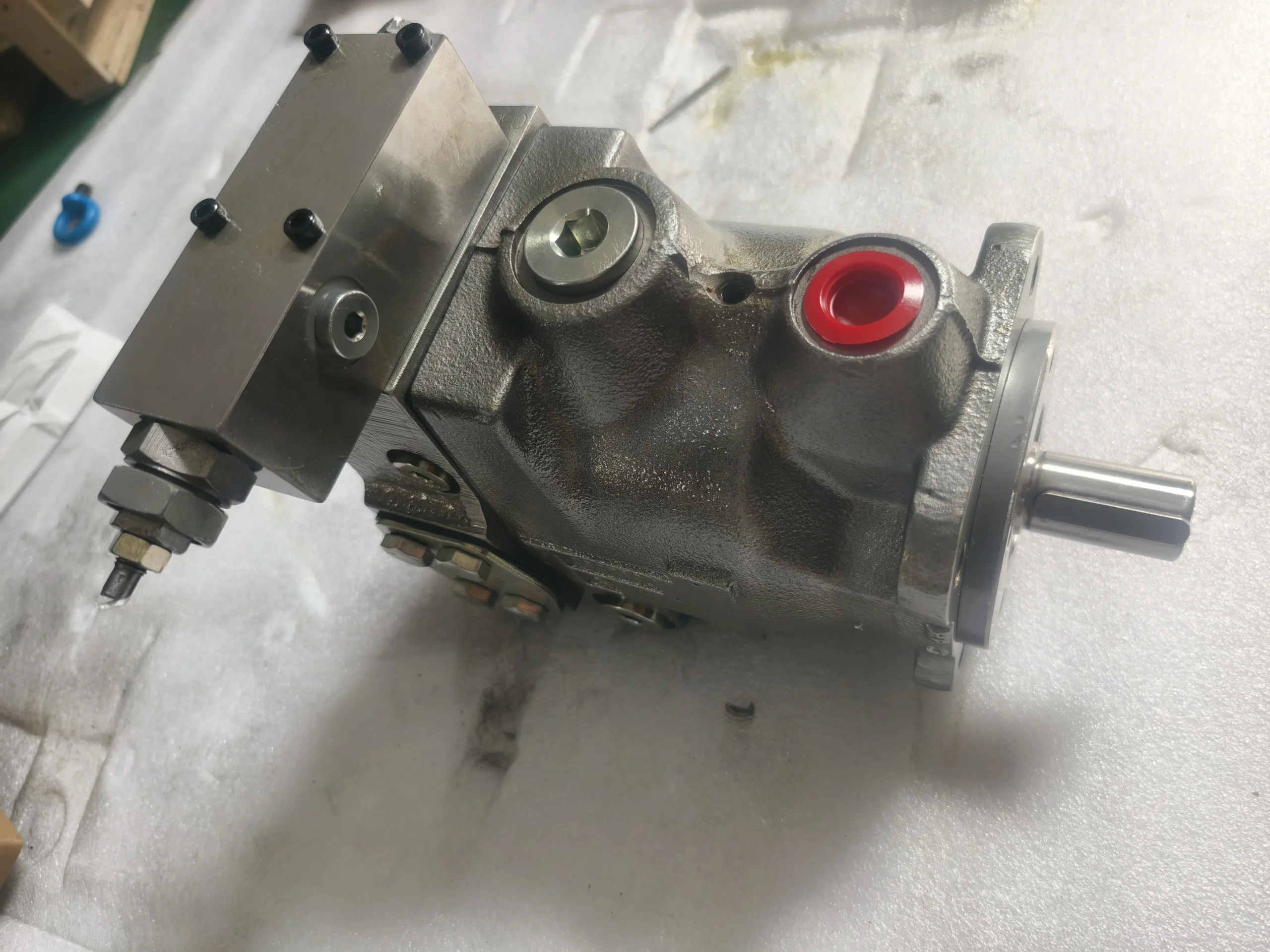
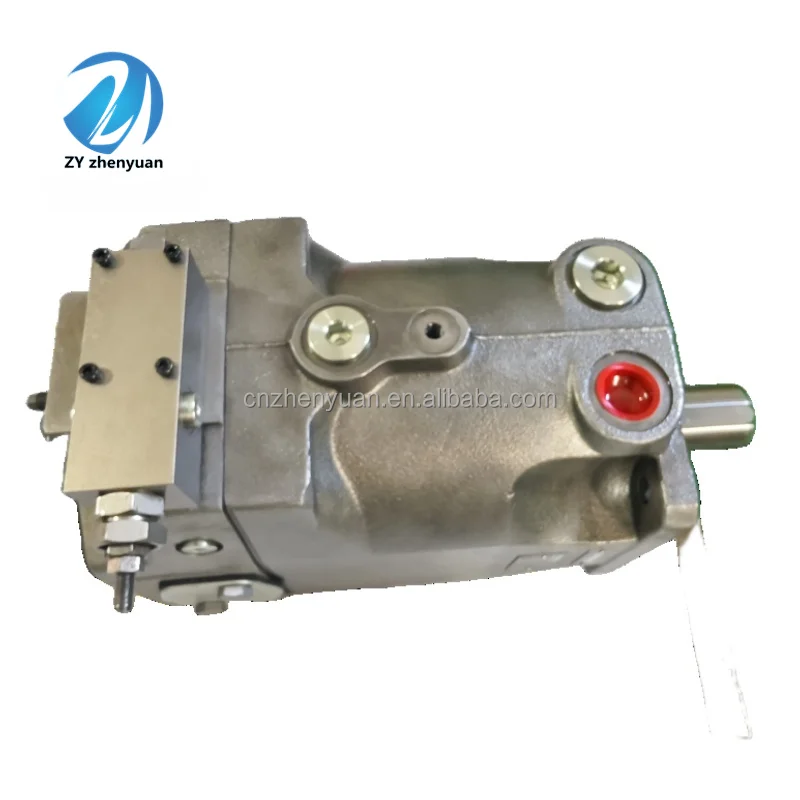
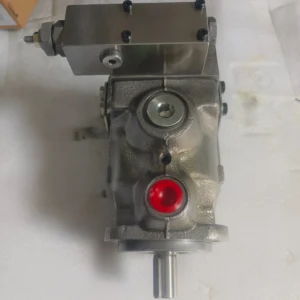
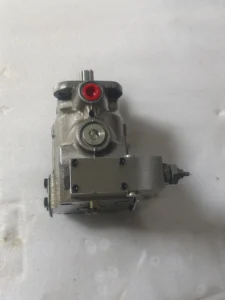
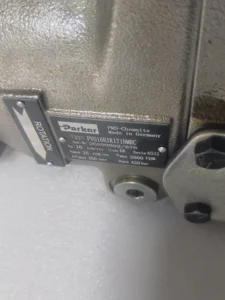
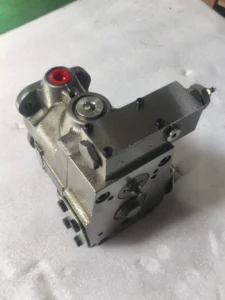
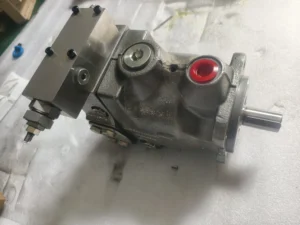
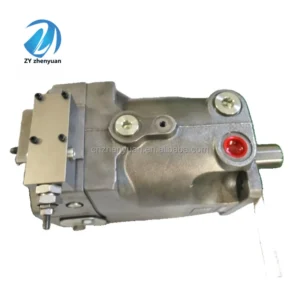
PV Hydraulic Pump 016 020 023 032 040 046 092 140 180 270 Series PV016R1K1T1NMRC Parker High Pressure Piston Pump Parts
Displacement: 16 cm³/rev, output flow rate: 24 L/min at 1500 rpm.
Pressure range: Nominal pressure 350 bar, peak pressure up to 420 bar (20% working cycle), minimum suction port pressure 0.8 bar, maximum shell oil discharge pressure 2.0 bar.
Speed range: Up to 3000 rpm (at suction port pressure of 1 bar), input power is 15.5 kW at 1500 rpm and 350 bar.
Weight: 19 kg, compact structure and lightweight design.
Control mode: A remote-controlled pressure compensation variable controller (MRC) is adopted, supporting remote pressure regulation and flow control.Ii. Working Principle
This pump is a swashplate axial piston pump. The flow rate is controlled by adjusting the stroke of the piston by changing the Angle of the swashplate. The specific process is as follows:
Oil suction stage: The transmission shaft drives the cylinder to rotate. Under the action of the swash plate, the plunger extends outward, increasing the volume of the plunger cavity and creating a negative pressure. The oil is then sucked in through the oil suction port.
During the oil compression stage: As the Angle of the swash plate changes, the plunger retract inward, the volume of the plunger cavity decreases, and the oil is compressed and discharged from the oil outlet.
Variable control: By adjusting the inclination Angle of the swash plate and changing the stroke of the plunger, the output flow rate can be adjusted. The remote-controlled pressure compensation controller (MRC) can automatically adjust the displacement according to the system pressure to maintain a constant pressure.
Iii. Product Features and Advantages
High pressure and high efficiency: With a working pressure of up to 350 bar and a high volumetric efficiency (approximately 95%), it is suitable for high-pressure hydraulic systems.
Low-noise design: FEM optimizes the structure of the housing and preloading chamber to reduce output pulsation and noise levels, ensuring quiet operation.
Energy conservation and consumption reduction: Through pressure compensation control, the system flow demand is dynamically matched to reduce power consumption and heat generation.
Compact and durable: Modular design, small in size and light in weight, featuring a high-strength cast iron shell with strong impact resistance.
Easy maintenance: Replaceable distribution plates and plug-in controllers are available, supporting on-site maintenance and reducing downtime.
Through-shaft drive capability: Full-power through-shaft drive design allows for the combined use of multiple pumps, expanding system functionality.
Iv. Usage Functions and Purposes
Function: It provides high-pressure and stable hydraulic power to drive the actuating elements (such as hydraulic cylinders and hydraulic motors) to complete linear or rotational movements.
Purpose:
Industrial field: injection molding machines, die-casting machines, hydraulic presses, metal processing equipment.
Construction machinery: loaders, excavators, cranes, rollers.
Marine machinery: steering gears, deck machinery, hydraulic winches.
Other scenarios: high-pressure cleaning equipment, mining machinery, agricultural machinery.
V. Applicable Machines and Scenarios
Injection molding machine: It is used for high-pressure actions such as mold closing and injection molding, and requires a fast pump response speed and stable pressure.
Construction machinery: Provides continuous power in harsh environments (such as high temperatures and dust) and supports load-sensitive control.
Marine hydraulic system: It needs to be corrosion-resistant and reliable, and adapt to the humid environment at sea.
High-pressure cleaning equipment: Outputs high pressure and large flow rate, meeting the requirements of pipeline cleaning and surface treatment.
Metallurgical rolling mills: They are subject to high shock loads and require long-term stable operation.
Six. Similar models
Products of the same series: PV020, PV023, PV032, PV040, etc., with a displacement range of 16-360 cm³/rev, suitable for different flow requirements.
Competing product model
A4VSO series: Rated pressure 350 bar, suitable for closed systems, strong shock resistance, but relatively high noise.
A10VSO Series: Medium-pressure industrial pump, featuring low noise, compact structure and relatively small flow rate.
KD-A4VSO series: Domestic electrically controlled proportional pump, supporting CAN bus communication, with fast response speed and relatively low cost.
Vii. Precautions for Use
Installation requirements
Ensure that the coaxiality error between the drive shaft and the prime mover is ≤ 0.05mm, and use an elastic coupling for connection to avoid rigid shock.
The oil drain pipe should be directly connected to the oil tank and higher than the centerline of the bearing to prevent excessive pressure in the shell (back pressure ≤0.035 MPa).
The oil suction port should be lower than the liquid level in the oil tank. The oil inlet pipe should be short and thick (with a diameter ≥ the recommended value), and the number of elbows should not exceed two to avoid cavitation.
Hydraulic oil management
Use anti-wear hydraulic oil with a viscosity of 20-75 cSt (at working temperature). ISO VG 46 or 68 is recommended.
Replace the hydraulic oil regularly (it is recommended to do so every 2000 hours or based on the oil quality test results), and maintain cleanliness (ISO 16/13 or higher).
The oil temperature should be controlled between 15 and 65 degrees Celsius to prevent high temperatures from causing oxidation of the oil and a decrease in viscosity.
Operation and maintenance
Before starting, check the oil level, valve status and motor rotation direction. Run no-load for 5 to 10 minutes and then gradually load.
Monitor parameters such as pressure, temperature and vibration. If any abnormalities are detected (such as increased noise or pressure fluctuations), immediately stop the machine for inspection.
Regularly inspect the wear of seals, plungers and distribution plates, and replace vulnerable parts in a timely manner.
Safe operation
Operators must be trained and wear protective equipment (such as gloves and goggles) to avoid contact with high-temperature or high-pressure oil.
Before maintenance, cut off the power supply, release the system pressure to prevent accidental start-up or oil jetting.
Avoid operating at temperatures exceeding the rated pressure and speed to prevent equipment damage.